با بسته ماندن هرمز، آژانس انرژی و اوپک پیشبینیهای نفتی را کاهش دادند
آژانس بینالمللی انرژی و اوپک روز چهارشنبه پیشبینیهای نفتی خود را کاهش دادند و بسته شدن تنگه هرمز را عامل آن دانستند. بهای نفت خام روز پنجشنبه پس از پنج روز رشد افت کرد.
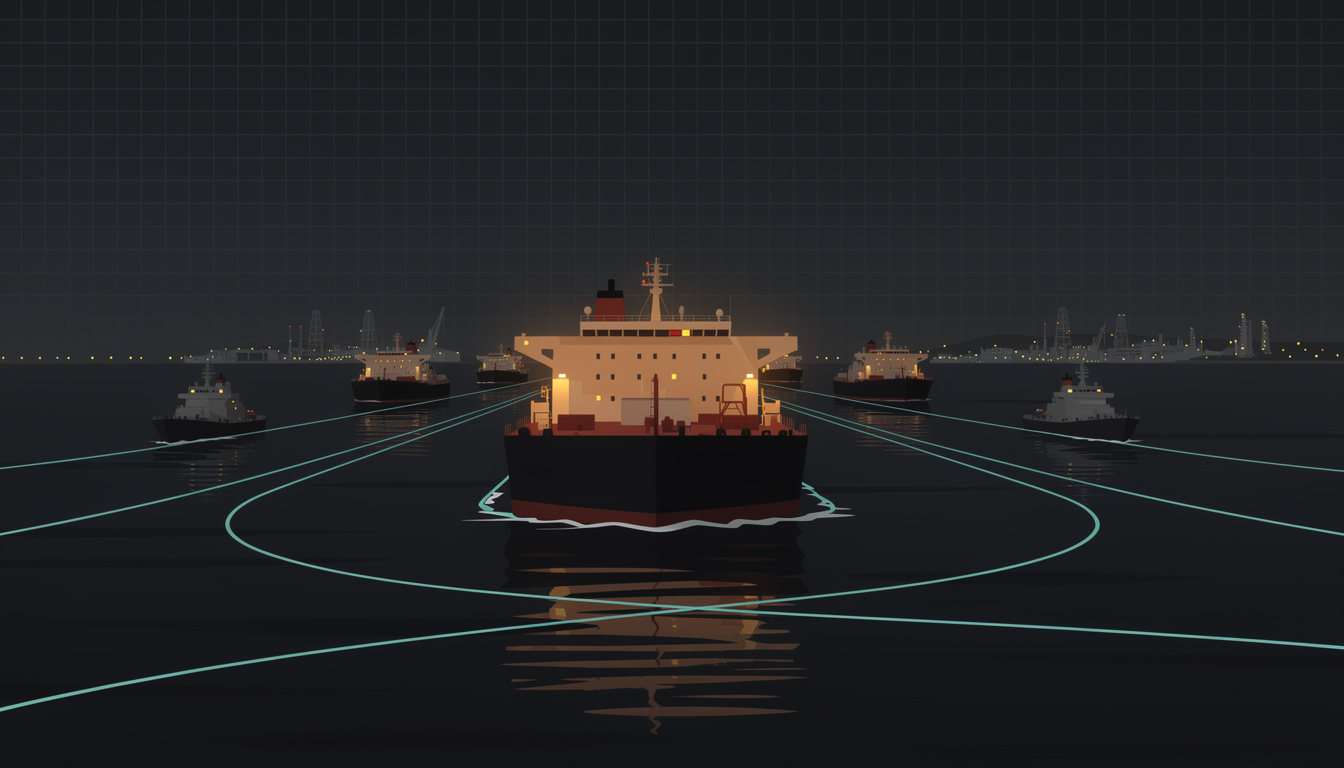 تصویر نمادین
قیمت نفت روز پنجشنبه پس از پنج روز رشد متوالی کاهش یافت، پس از آنکه آژانس بینالمللی انرژی و اوپک هر دو پیشبینیهای خود را کاهش دادند و همچنان بسته بودن تنگه هرمز را عامل آن دانستند. مذاکرات برای بازگشایی این آبراه همچنان به بنبست خورده است.
تنگه هرمز، مسیری که بخش بزرگی از نفت خام خلیج فارس معمولاً از طریق آن به بازارهای جهانی میرسد، از زمان آغاز جنگ آمریکا-ایران مختل شده است. عربستان سعودی در فوریه با انتقال بیشتر صادرات خود از خلیج فارس به پایانههای دریای سرخ مانند ینبع واکنش نشان داد و دریای سرخ و تنگه بابالمندب را به مسیر اصلی خود برای رساندن نفت به خریداران آسیایی تبدیل کرد. حملات حوثیها به کشتیرانی اکنون این مسیر را نیز زیر سؤال برده و کانال سوئز و مسیر بسیار طولانیتر دور آفریقا را بهعنوان گزینههای باقیمانده برجای گذاشته است. نتیجه این وضعیت، فشاری دوگانه بر بزرگترین صادرکننده نفت خام جهان است، با سفرهای طولانیتر، هزینههای بالاتر سوخت و ترانزیت، و ظرفیت محدود خط لوله که مستقیماً بر قیمت نفت و انتظارات تورمی اثر میگذارد.
آژانس بینالمللی انرژی و اوپک روز چهارشنبه پیشبینیهای نفتی خود را کاهش دادند و بسته شدن تنگه هرمز را عامل آن دانستند. بهای نفت خام روز پنجشنبه پس از پنج روز رشد افت کرد.
ایران در حالی که اخراجهای ناشی از جنگ افزایش مییابد، قصد دارد به بانک توسعه بریکس بپیوندد. به گزارش والاستریت ژورنال، قیمت نفت روز چهارشنبه دوباره بالا رفت.
نفت خام روز سهشنبه سود خود را حفظ کرد، یک روز پس از آنکه با کمرنگ شدن دوباره امیدها به بازگشایی تنگه هرمز قیمتها جهش کرد. بورسهای نیویورک و بمبئی افت کردند.
قیمت نفت روز دوشنبه باز هم بالا رفت و سهام افت کرد، پس از آنکه تعطیلات آخر هفته هیچ گشایشی درباره تنگه هرمز به همراه نداشت. ایران امید به بازگشایی سریع را کاهش داده است.
ذخیره راهبردی نفت آمریکا به ۳۰۴.۸۱ میلیون بشکه کاهش یافته که کمترین میزان از مارس ۱۹۸۳ است و بر پایه آمار وزارت انرژی و Bank of America حدود ۴۳ روز مصرف را پوشش میدهد.
به گزارش وال استریت ژورنال، قراردادهای آتی نفت با توجه به انتظارات برای دستیابی به توافقی برای بازگشایی تنگه هرمز کاهش یافت، در حالی که ذا نشنال گزارش داد قیمتها به دلیل احیای نگرانیها از کمبود عرضه ناشی از حملات حوثیها همچنان بیثبات ماند. طلا در بازار کامکس هفته را با افزایش ۷.۲۰ درصدی و در سطح ۴٬۳۴۰.۷۰ دلار به پایان رساند و به گزارش هندلسبلات، جنگ با ایران نیز تقاضای نفت را با پیامدهای بلندمدت کاهش میدهد.
تاراس ویسوتسکی، وزیر سیاست کشاورزی اوکراین، گفت این کشور پس از حملات روسیه به اودسا صادرات محصولات کشاورزی از طریق دریای سیاه را کاملاً متوقف کرده است؛ مسیری که پیش از ژوئیه حدود ۸۵ درصد از این صادرات را جابهجا میکرد. تاس گزارش میدهد ۶٬۸۳۵ خودرو در مرز لهستان صف کشیدهاند و کشتی باری ترکیهای «اموی گولوک» نزدیک نووروسیسک هدف حمله پهپادی قرار گرفته، در حالی که بلومبرگ گزارش میدهد واشنگتن اعلام کرده کییف از هدف قرار دادن نفتکشها و یک تأسیسات نفتی در دریای سیاه پرهیز خواهد کرد.
یک مقام آمریکایی روز جمعه گفت که واشنگتن انتظار دارد توافقی میان ایران و عمان برای بازگشایی کشتیرانی تجاری از تنگه هرمز ظرف چند روز آینده حاصل شود. اینکه آیا ایران میتواند از کشتیهای عبوری عوارض دریافت کند، همچنان حلنشده باقی مانده است.
شرکت ادنوک ابوظبی روز جمعه اعلام کرد که حملات موشکی و پهپادی به ۱۵ کشتی از ناوگان این شرکت در تنگه هرمز اصابت کرده و یک خدمه کشته و ۲۰ نفر زخمی شدهاند. صادرات نفت خام ایران از جزیره خارک تحت محاصره تجدیدشده آمریکا متوقف مانده است.
به گزارش بلومبرگ، محمولههای نفت خام عربستان به ایالات متحده برای نخستین بار در ۴۰ سال به صفر رسیده است. پالایشگاههای آمریکایی که در اوایل امسال روزانه بیش از ۶۰۰ هزار بشکه نفت عربستان خریداری میکردند، به تأمینکنندگان دیگر روی آوردهاند.
روزنامه دیلی صباح روز پنجشنبه گزارش داد که موجی از حملات به کشتیها، بنادر و پایانههای صادراتی در منطقه دریای سیاه، عرضه جهانی غلات و نفت را مختل کرده است. این گزارش این منطقه را جدیدترین نقطه فشار راهبردی بر جریانهای جهانی کالا توصیف میکند.
قیمت نفت برنت روز پنجشنبه دوباره به بالای ۸۰ دلار در هر بشکه بازگشت و طلا به بالاترین سطح هفت هفته اخیر رسید، زیرا معاملهگران احتمال بازگشایی مجدد تنگه هرمز را در قیمتها لحاظ کردند. سهام آمریکا به دلیل تردید درباره نهاییشدن این توافق کاهش یافت.
ایران روز چهارشنبه اعلام کرد مذاکراتش با عمان درباره بازگشایی تنگه هرمز به مراحل پایانی رسیده است. گزارشهای روز جمعه حاکی است پیشنویس این توافق، ورود کشتیهای آمریکایی و اسرائیلی را ممنوع کرده و از کشورهای متخاصم برای عبور، هزینه دریافت خواهد کرد.
بر اساس آمار وزارت نفت عراق که به روزنامه The National نشان داده شده و روز چهارشنبه توسط جروزالم پست نقل شد، صادرات نفت عراق از ۱۰۰ میلیون بشکه در فوریه به حدود ۳۲ میلیون بشکه در ماههای مه و ژوئن کاهش یافته است. بغداد با تشدید بحران تنگه هرمز، برای پوشش دستمزدهای بخش دولتی با مشکل مواجه است.
حوثیهای یمن روز چهارشنبه اعلام کردند به دو نفتکش نفتی سعودی، «وفا» در نزدیکی ینبع و «دیزی» در خلیج عدن، ضربه زدهاند. قیمت نفت افزایش یافت و عربستان سعودی درباره این ادعاها اظهارنظری نکرده است.
ایران روز چهارشنبه اعلام کرد که با عمان بر سر مختصات یک مسیر کشتیرانی جدید در تنگه هرمز به توافق رسیده است. Bloomberg گزارش داد که قیمت نفت روز پنجشنبه سومین روز متوالی کاهش خود را حفظ کرد.
به گزارش نیویورکتایمز در روز سهشنبه، هزاران خدمه غیرنظامی همچنان روی کشتیهایی در معرض خطر حمله ایران، در تنگه هرمز و اطراف آن گرفتار ماندهاند و خدمه یک کشتی بیش از سه ماه است در بازداشت نیروی دریایی ایران قرار دارند. به گزارش تاس، سنتکام اعلام کرد نیروهای آمریکایی از زمان از سرگیری محاصره ایران، ۴۵ کشتی را مسیر داده و به دو کشتی سوار شدهاند.
شرکت سعودی آرامکو روز سهشنبه اعلام کرد سود خالص سهماهه دوم آن با کمک افزایش قیمت نفت در جریان جنگ آمریکا و ایران، ۴۴ درصد افزایش یافته و به حدود ۳۳ میلیارد دلار رسیده است، در حالی که بیپی سود سهماهه خود را به بیش از دو برابر یعنی بیش از ۵ میلیارد دلار رساند. گاردین گزارش داد که هشت شرکت بزرگ نفتی در سه ماه بیش از ۹۰ میلیارد دلار سود کردهاند و این موضوع بار دیگر خواستههایی برای پرداخت هزینه خسارات زیستمحیطی توسط آنها را زنده کرده است.
بازار سهام والاستریت روز سهشنبه در بالاترین سطح تاریخ خود بسته شد، پس از آنکه وزیر خزانهداری آمریکا اسکات بسنت گفت توافق با ایران برای بازگشایی تنگه هرمز میتواند نزدیک باشد. نفت برنت برای اولین بار در نزدیک به یک ماه گذشته به زیر ۸۰ دلار سقوط کرد.
مقامهای آمریکایی، قطری و عمانی میگویند توافقی برای بازگشایی تنگه هرمز ممکن است ظرف چند روز آینده حاصل شود و متن پیشنویس آن در حال گردش است. این آبراه روز سهشنبه، در روز صد و پنجاه و هشتم جنگ آمریکا و ایران، همچنان به روی کشتیرانی بسته بود.
روز دوشنبه پس از آنکه دونالد ترامپ، رئیسجمهور آمریکا، حملات برنامهریزیشده علیه ایران را لغو کرد و گفت مذاکرات از سر گرفته خواهد شد، قیمت نفت خام کاهش یافت و بازارهای سهام جهش کردند. تهران روایت او مبنی بر آغاز مذاکرات از روز دوشنبه را رد کرد.
فرماندهی مرکزی آمریکا (سنتکام) میگوید تا روز یکشنبه، ۳۵ کشتی تجاری در تنگه هرمز که در محاصره قرار دارد، مسیر خود را تغییر دادهاند. وزارت خارجه ایران میگوید توافق مسیر با عمان بهتنهایی این آبراه را بازگشایی نخواهد کرد.
بهای نفت خام برنت اواخر یکشنبه به زیر ۸۲ دلار در هر بشکه سقوط کرد که پایینترین سطح از اواسط جولای است؛ این افت پس از آن رخ داد که ترامپ از حمله به ایران خودداری کرد. طلا نیز تقویت شد، در حالی که رسانههای آمریکایی و بریتانیایی از امیدواری به توافق آمریکا و ایران خبر دادند.
هفت کشور عضو اوپکپلاس روز یکشنبه توافق کردند که تولید نفت را در ماه سپتامبر روزانه ۱۸۸ هزار بشکه افزایش دهند؛ این ششمین افزایش ماهانه پیاپی است. این گام، فرآیند لغو کاهشهای داوطلبانهای را که این گروه در سال ۲۰۲۳ به آن توافق کرده بود، به پایان میرساند.
وزیر امور خارجه ایران روز یکشنبه گفت که مذاکرات با عمان درباره مسیر جدید کشتیرانی از تنگه هرمز در مراحل پایانی است. محاصره دریایی آمریکا علیه ایران که از اواسط ژوئیه از سر گرفته شده بود، همچنان برقرار است.
نفت خام ماه ژوئیه را با حدود ۲۴ درصد افزایش به پایان رساند، پس از آنکه درگیریهای آمریکا و ایران تردد نفتکشها را در تنگه هرمز مختل کرد. بلومبرگ گزارش میدهد که اکسون و شورون انتظار دارند قیمت سوخت به دلیل مختل شدن جریانهای پالایش، بالا بماند.
سازمان عملیات تجاری دریایی بریتانیا (UKMTO) روز شنبه از دو حادثه مرتبط با نفتکشها در سواحل عمان خبر داد. یکی از شناورها پس از اصابت پرتابه به اتاق موتورش از کار افتاد.
عربستان سعودی روز پنجشنبه نخستین نشست برنامهریزی را برای ائتلاف دفاعی دریایی پیشنهادی با هدف ایمنسازی تنگه بابالمندب و خلیج عدن برگزار کرد و بلومبرگ گزارش داد که کشتیهای سعودی اکنون از این گذرگاه کلیدی پرهیز کرده و مسیر خود را از دور آفریقا طی میکنند. تهران تایمز گزارش داد که رهبر انصارالله روز جمعه در میدان سبعین صنعا خطاب به صدها هزار نفر سخنرانی کرد، در حالی که یمن محاصره دریایی خود را تثبیت کرده است؛ ذیالنشنال نیز حضور فزاینده حوثیها در عراق را به حملهای علیه پادشاهی سعودی مرتبط دانست.
ارتش اوکراین به یک پالایشگاه در ولگوگراد حمله کرد و انبارهای خردهفروش آنلاین وایلدبریز را به آتش کشید؛ به گزارش فرانکفورتر آلگماینه، این بخشی از کارزاری است که بهطور فزاینده زیرساختهای نفتی و مراکز لجستیک روسیه را هدف قرار میدهد. خردهفروش رقیب، اوزون، نیز مجبور به تخلیه یک انبار شد. تاتیانا کیم، بنیانگذار و مدیرعامل وایلدبریز، روز جمعه پس از دو هفته حمله، در پیامی ویدئویی خطاب به فروشندگان گفت که کارآفرینان خارجی میلیاردها دلار متضرر شدهاند، این حملات را فورس ماژور خواند و آنها را حملات تروریستی توصیف کرد.
روز جمعه قیمت نفت خام با اختلال در تردد نفتکشها از تنگه هرمز بر اثر درگیری میان ایالات متحده و ایران بهشدت افزایش یافت؛ نفت WTI نزدیک به ۸۵ دلار و برنت بالای ۸۸ دلار در هر بشکه معامله شد. بلومبرگ گزارش میدهد نفت در مسیر رشدی حدود ۲۱ درصدی در طول ماه قرار دارد.
شبکه سیبیاس نیوز روز جمعه گزارش داد نیروهای آمریکایی و اسرائیلی ممکن است همین آخر هفته کارزار بمباران نیروگاهها و پالایشگاههای ایران را آغاز کنند. هر دو دولت همچنین در حال بررسی محاصره زمینی ایران با مشارکت همسایگانش هستند.
با میل کردن درگیری میان ایالات متحده و ایران به سمت جنگی گستردهتر، قیمت نفت خام دچار نوسان شد و بازده اوراق قرضه به دلیل نگرانیهای تورمی افزایش یافت. به گزارش بلومبرگ، پالایشگاههای آمریکایی از تنگنای عرضهٔ جهانی سوخت میلیاردها دلار سود به دست میآورند.
بنا بر آماری که روز پنجشنبه منتشر شد، اقتصاد عربستان سعودی با شدیدترین نرخ خود از سال ۲۰۲۰ تاکنون منقبض شده است، زیرا جنگ ازسرگرفتهشده با ایران صادرات نفت این کشور را مختل کرده است. درآمدهای این پادشاهی بهشدت به محمولههایی وابسته است که اکنون تحت تأثیر این درگیری قرار گرفتهاند.
خبرگزاری تاس گزارش داد پاکستان موافقت ایران را برای عبور نفتکش الاریش، که از اوایل ژوئیه پس از بارگیری در پایانه راس لفان قطر در خلیج فارس بیحرکت مانده بود، از تنگه هرمز در بامداد پنجشنبه جلب کرد. قطر نخستین محموله گاز طبیعی مایع خود را از این آبراه پس از حمله به یکی از نفتکشهایش بیش از سه هفته پیش ارسال کرد، و فرماندهی مرکزی آمریکا میگوید از زمان آغاز محاصره ایران، مسیر ۲۴ کشتی را تغییر داده است.
عربستان سعودی روز پنجشنبه از تشکیل یک ائتلاف چندملیتی دفاع دریایی خبر داد که دهها کشور از جمله مصر و ترکیه به آن پیوستهاند تا از کشتیرانی در دریای سرخ و تنگه بابالمندب در برابر حملات حوثیها محافظت کند. منابع یمنی به گاردین گفتند که ریاض همزمان در حال گردآوری نیرو برای یک عملیات احتمالی بزرگ دریایی و شاید زمینی علیه حوثیها در مرکز یمن است.
پهپادهای اوکراینی روز چهارشنبه به پالایشگاه ریازان متعلق به روسنفت حمله کردند و به گفته منابع مطلع به رویترز، یکی از بزرگترین پالایشگاههای روسیه را برای حدود دو هفته از مدار خارج ساختند. شامگاه چهارشنبه تا پنجشنبه، پهپادها سه انبار دیگر متعلق به وایلدبریز را به آتش کشیدند که یکی از آنها در فاصله ۱٬۴۰۰ کیلومتری از مرز قرار داشت، و به دو نفتکش در پایانه کنسرسیوم خط لوله دریای خزر نزدیک نووروسیسک ضربه زدند. وال استریت ژورنال روز جمعه گزارش داد که پس از این حملات در دریای سیاه، قیمت نفت افزایش یافت.
ضربهای پهپادی روز چهارشنبه دو کشتی را در بندر دمیاط مصر در ساحل مدیترانه به آتش کشید؛ نخستین حمله از این دست بر خاک مصر از زمان آغاز جنگ آمریکا و ایران در ماه فوریه. قاهره اعلام کرد بررسی اولیه از یک پهپاد ناشناس حکایت دارد و هیچ گروهی مسئولیت این حمله را برعهده نگرفته است. این بندر در نزدیکی کانال سوئز قرار دارد و این ضربه توجهها را به میزان آسیبپذیری کشتیرانی در این آبراه معطوف کرده است، در حالی که جنگ اردن، کویت، عربستان سعودی و عراق را نیز به خود میکشد.
به گزارش نشریه ذا نشنال، یک کنسرسیوم آمریکایی-سعودی در حال پیشبرد طرحهایی برای ساخت پالایشگاهی نفتی به ارزش ۵ میلیارد دلار در خارج از تنگه هرمز است. ایجاد ظرفیت دائمی بیرون از این گلوگاه حکایت از انتظار برای ریسک پایدار در مسیرهای صادراتی خلیج فارس دارد.
به گزارش ساوت چاینا مورنینگ پست، ایالات متحده روز چهارشنبه شرکتهای کشتیرانی چین سرزمین اصلی و هنگکنگ را که به گفته این کشور کشتیهای حامل نفت ایران به چین را اداره میکنند، تحریم کرد. این اقدام فشار اقتصادی واشنگتن در جنگ ایران را به زنجیره تأمین انرژی چین نیز گسترش میدهد.
نیروهای حوثی به چند کشتی سعودی در تنگه بابالمندب حمله کردند؛ تنگهای که به گزارش لوموند از زمان بسته شدن تنگه هرمز اهمیت بیشتری یافته است، و برایتبارت گزارش میدهد این گروه در حال بررسی دریافت «هزینه» برای عبور امن کشتیها است. به گفته دو نفر آگاه از این مذاکرات که دیلی صباح از آنها نقل کرده، عربستان سعودی به دنبال شرکای بینالمللی برای تشکیل ائتلافی جهت حفاظت از کشتیرانی تجاری در دریای سرخ است، در حالی که حملات به نفتکشها قیمت نفت را بالا میبرد.
روز چهارشنبه پس از آنکه سپاه پاسداران انقلاب اسلامی ایران موشکهای بالستیک به سمت نیروهای آمریکایی در اردن شلیک کرد و نیروهای آمریکایی و سعودی به گروههای همسو با ایران در شرق عراق حمله کردند، قیمت نفت خام برنت حدود ۸ درصد افزایش یافت و به حدود ۹۱ دلار در هر بشکه رسید. ترافیک نفتکشها از تنگه هرمز همچنان بهشدت پایینتر از حد معمول است و ذخایر نفت خام آمریکا هفته گذشته ۷.۲ میلیون بشکه کاهش یافت. ژاپن و دیگر خریداران آسیایی برای کاهش وابستگی خود به خلیج فارس، به نفت خام کانادا که از طریق خط لوله ترنس مانتین حمل میشود روی آوردهاند.
تاس به نقل از تحلیلگر سرگئی کویون گزارش داد پمپبنزینهای اوکراین در حال خالی شدن هستند و گفت محاصره بندرهای اوکراین همراه با افزایش شدید قیمت گازوئیل کامیونها بحران صادرات را عمیقتر میکند. نخستوزیر مولداوی، واسیله توفان، گفت حملات اوکراین به بندر روسیه در نووروسیسک باعث کمبود گازوئیل در مولداوی شده است، کشوری که حجم قابل توجهی از این سوخت را از طریق رود دانوب وارد میکند.
حوثیها اعلام کردند موشکهای بالستیک به سوی نفتکش سعودی انسیسی غزال در دریای سرخ شلیک کردهاند و سخنگوی آنها یحیی سریع گفت این کشتی ناچار به تغییر مسیر شد؛ این اقدام بخشی از محاصره دریایی اعلامشده این گروه علیه کشتیرانی سعودی است. کاظم جلالی، سفیر ایران در مسکو، گفت حوثیها خودشان در زمان مناسب تصمیم خواهند گرفت که آیا در کنار ایران به پایگاههای آمریکا حمله کنند یا نه.
نفت خام برنت روز سهشنبه با پیشرفت مذاکرات میان واشنگتن و تهران بیش از ۶ درصد کاهش یافت و به حدود ۸۳ دلار در هر بشکه رسید؛ این افت، عقبنشینی حدود ۱۶ درصدی از اوج هفته گذشته که بالای ۱۰۰ دلار بود را تشدید کرد. همزمان، شرکت آرامکوی سعودی پس از حمله حوثیها، پالایشگاه ۴۰۰ هزار بشکه در روز جیزان را تا اواسط اوت تعطیل کرد و مسیر دریای سرخ که ریاض برای دور زدن تنگه هرمز از آن استفاده میکند همچنان در معرض تهدید است.
ایران روز سهشنبه موشکهای بالستیک به یک پایگاه نظامی آمریکا در اردن شلیک کرد و به این ترتیب وقفه چند روزه در تبادل حملات با واشنگتن را شکست؛ فرماندهی مرکزی آمریکا (سنتکام) میگوید نیروهایش این موشکها را رهگیری کردهاند. یک روز بعد جنگندههای آمریکایی و سعودی به مواضع لجستیکی و تسلیحاتی وابسته به ایران در سراسر شرق عراق ضربه زدند، پس از آنکه پدافند هوایی عربستان سعودی پهپادهای هدفگیریکننده تأسیسات نفتی را سرنگون کرده بود. نیروهای بسیج مردمی عراق میگویند هشت نفر از اعضای آنها کشته شدهاند.
به گزارش فایننشال تایمز و وال استریت ژورنال، انتظار میرود بانک مرکزی انگلیس با وجود جهش قیمت نفت، نرخ بهره را بدون تغییر باقی بگذارد، هرچند در صورت ادامه جنگ، احتمال اقدام را نیز مطرح کرده است. به گزارش South China Morning Post، اداره پولی سنگاپور روز دوشنبه برای دومین بار در سه ماه گذشته سیاستهای خود را سختگیرانهتر کرد و دلیل آن را نوسانات بازارهای جهانی انرژی و افزایش ریسکهای تورمی مرتبط با جنگ آمریکا علیه ایران عنوان کرد.
به گزارش رویترز و تلگراف، اروپا با کاهش ذخایر گاز و سوخت با زمستانی طولانی و سرد روبهرو است. نیویورکتایمز گزارش میدهد اقتصادهای در حال توسعه آسیا که تحت تأثیر شوکهای عرضه ناشی از جنگ ایران در خاورمیانه قرار گرفتهاند، در تلاشاند وابستگی خود به سوختهای وارداتی از جمله گاز طبیعی مایع را کاهش دهند.
پهپادهای اوکراینی در ۲۷ ژوئیه ۲۰۲۶ آنچه را استاندار جمهوری اودمورت روسیه بزرگترین حمله تا امروز به این منطقه خواند انجام دادند، یکی از چندین حملهای که رئیسجمهور ولودیمیر زلنسکی گفت هدف آنها تأسیسات نفتی روسیه بوده است. در روزهای پیش از آن، پهپادها به مراکز لجستیک وایلدبریز در سنپترزبورگ، منطقه لنینگراد و کریمه اصابت کردند، و حملات به نفتکشها در پایانه کنسرسیوم خط لوله خزر (سیپیسی) نزدیک نووروسیسک بارگیریها را متوقف کرد و تولید روزانه نفت قزاقستان را به بیش از نصف کاهش داد پیش از آنکه محمولهها از سر گرفته شوند. مسکو ممنوعیت صادرات بنزین خود را تا پایان سال ۲۰۲۶ تمدید کرده است، در حالی که کمبود سوخت و برق در کریمه اشغالی گسترش مییابد.
عربستان سعودی میگوید پهپادهایی را که از خاک عراق به سمت تأسیسات نفتی در استان شرقی و ریاض پرتاب شده بودند سرنگون کرده، و شبهنظامیان وابسته به ایران را مقصر دانسته و حق پاسخگویی را برای خود محفوظ میداند. حوثیهای یمن نیز جداگانه مدعی حملات پهپادی به زیرساخت خط لولهای شدند که نفت خام را از شرق عربستان سعودی به بندر ینبع در دریای سرخ منتقل میکند. دادههای کشتیرانی نشان میدهد ترافیک عبوری از تنگه بابالمندب از زمانی که حوثیها در ۲۰ ژوئیه محاصرهای علیه کشتیهای مرتبط با عربستان اعلام کردند، ۵۶ درصد کاهش یافته است.
نفت خام برنت روز دوشنبه، ۲۷ ژوئیه ۲۰۲۶، تا ۹ درصد کاهش یافت و به زیر ۸۸ دلار در هر بشکه رسید، پس از آنکه ایالات متحده و ایران حملات خود را متوقف کردند و از احتمال از سرگیری مذاکرات خبر دادند. نفت وست تگزاس اینترمدیت در پایینترین سطح خود بیش از ۷ درصد کاهش یافت، بازده اوراق قرضه دولتی بریتانیا کاهش یافت و معاملات آسیایی به سمت ترکیبی از رشد و ثبات چرخید. تحلیلگران هشدار دادند وقفههای مشابه پیشتر هم شکست خوردهاند و جریان فیزیکی نفت از تنگههای هرمز و بابالمندب همچنان مختل است.
به گزارش الجزیره، صادرات نفت قزاقستان پس از آنکه حملات پهپادی زنجیره تأمین را مختل کرد، متوقف شد؛ پیامدی جانبی از جنگ میان روسیه و اوکراین. این وقفه خطراتی برای اقتصاد قزاقستان و بازارهای انرژی به همراه دارد.
به گزارش Tehran Times و South China Morning Post، مقامات ایرانی و عمانی دو روز گفتوگوی سطحبالا در تهران درباره تأمین امنیت تردد دریایی از تنگه هرمز را به پایان رساندند که ایران آن را سازنده توصیف کرد. ایران گفت این پیشرفت پس از توقف حملات هوایی آمریکا حاصل شده، در حالی که شناورهای سپاه پاسداران کشتیها را در این آبراه متوقف کرده بودند.
پس از آنکه حوثیها محاصره دریایی کشتیرانی سعودی را اعلام و به دو نفتکش در دریای سرخ حمله کردند، عربستان سعودی، به گفته دادههای شرکت کپلر که توسط نشریه «د نشنال» نقل شده، هیچ محموله نفت خامی برای صادرات از طریق تنگه بابالمندب از ساحل غربی خود بارگیری نکرده است. محمولههای مقصد خریداران آسیایی بهجای آن از کانال سوئز عبور میکنند، مسیری که هفتهها زمان و هزینه اضافه میکند. شورشیان همچنین ادعا کردهاند به تأسیسات آرامکو در جیزان و ینبع ضربه زدهاند، ادعایی که نه دولت سعودی و نه آرامکو آن را تأیید کردهاند.
نفت خام طی چند روز در هر دو جهت حرکت کرد؛ پس از آنکه واشنگتن و تهران حملات را متوقف کردند حدود ۵ درصد افت کرد و سپس با بازگشت نگرانیها از تشدید تنش، دوباره به سمت ۱۰۰ دلار در هر بشکه جهش کرد. طلا با کاهش ریسک تورمی ناشی از این وقفه بالا رفت، سهام و ارزهای آسیایی با دادههای ملایمتر تورم آمریکا تقویت شدند و بازارهای اوراق قرضه ریسک جنگ را دوباره قیمتگذاری کردند. رسانههای مالی گزارش میدهند که این وقفه بازارها را آرام کرده، بدون آنکه ریسک زیربنایی عرضه در خلیج فارس و دریای سرخ را از بین برده باشد.
دهها کشتی علیرغم محاصره حوثیها همچنان از دریای سرخ عبور میکنند، اما اختلالات پراکندهاند و عدم قطعیت درباره این مسیر ساعت به ساعت افزایش مییابد. همزمان، عبور نفتکشها از تنگه هرمز به پایینترین سطح خود در دو ماه گذشته رسیده است، چرا که جنگ ایران بارها کشتیرانی تجاری را مختل کرده است. شرکتها و اپراتورهای بندری بهجای تغییر مسیر محمولهها، در حال بازسازی مکانهای تولید، انبارش و جابهجایی کالاها هستند.
نفت برنت برای نخستینبار از اواخر ماه مه، بالای ۱۰۰ دلار در هر بشکه بسته شده است، در حالی که تنگه هرمز به دلیل جنگ آمریکا و ایران مسدود شده و دریای سرخ نیز با حملات حوثیها به کشتیهای نفتی سعودی مختل شده است. در همین هفته، ایالات متحده اجرای عوارض ۱۰ تا ۱۲.۵ درصدی بر بیش از ۶۰ اقتصاد را آغاز کرد؛ سومین نظام تعرفهای این کشور در کمتر از یک سال. تحلیلگران هشدار میدهند که این دو شوک بهجای خنثیکردن یکدیگر، یکدیگر را تقویت میکنند و ریسکهای تورمی و رشد اقتصادی را در سراسر جهان تشدید میکنند.
جنبش حوثی یمن روز شنبه اعلام کرد موشکها و پهپادهایی به تأسیسات آرامکوی سعودی در جیزان و یانبو شلیک کرده است و آن را انتقامی برای حملات هوایی ائتلاف بهرهبری سعودی به الحدیده در شب پیش از آن خواند. سامانههای پدافند هوایی سعودی دو موشک بالستیک از یمن را رهگیری کردند و هشدارهای اضطراری در هر دو شهر صادر شد، اما ریاض هیچ آسیبی را تأیید نکرده است. این تبادل حملات پس از اعلام حوثیها درباره محاصره دریایی پادشاهی رخ میدهد و در حالی است که دریای سرخ به دومین کریدور کشتیرانی مختلشده در کنار تنگه هرمز تبدیل میشود.
نفت برنت روز ۲۳ ژوئیه، برای نخستین بار از اواخر مه، بالای ۱۰۰ دلار در هر بشکه بسته شد، پس از آنکه حملات حوثیها به دو کشتی نفتکش سعودی در دریای سرخ، یک گلوگاه مختل دیگر را بر تنگه هرمز که از پیش مسدود شده بود افزود. عربستان سعودی صادرات خود را از طریق کانال سوئز مسیریابی مجدد میکند، انحرافی که هزینه سوخت هر سفر به آسیا را تقریباً دو برابر میکند. سهام آسیایی پس از فروش گسترده در آمریکا کاهش یافت و تحلیلگران از یک ضربه تورمی تازه هشدار میدهند.