The Middle East dominated the day's news in both directions at once. Israel's political-security cabinet approved the entry of the Board of Peace's International Stabilization Force into parts of Gaza outside Israeli military control, an initial contingent reported at around 200 personnel from countries including Morocco and Uganda, with Israel keeping a veto over participants; the decision landed a day before Prime Minister Netanyahu left for Washington, where he meets President Trump on Tuesday and where, Bloomberg reports, he intends to press for continued vigilance over Iran's nuclear programme.
Against that, Iran's military warned it would widen the war if Washington resumed strikes, President Pezeshkian called US attacks on civilian infrastructure war crimes, and Iran's supreme leader tied any agreement with Washington to an end to Israeli attacks on Lebanon. Iranian Foreign Minister Abbas Araghchi said a Ukrainian strike on a ship in the Caspian Sea killed a sailor and 'cannot go unanswered'. The Houthi maritime embargo on Saudi shipping has left Saudi Arabia loading no crude for export through Bab al-Mandeb from its west coast, according to Kpler data cited by The National, with Asian cargoes rerouted through Suez at weeks of added time and cost; rebel claims of hits on Aramco sites at Jizan and Yanbu remain unconfirmed by the Saudi government or the company.
Crude has swung accordingly, slumping roughly 5% after the US-Iran strike pause and spiking back toward $100 a barrel as escalation fears returned. In Ukraine, Volodymyr Zelensky became the first foreign leader received by new UK Prime Minister Andy Burnham, who took office on 20 July and will hand Kyiv the intellectual property behind the 'Stone Cloak' jammer, before his own Washington meeting on Tuesday; Russian ballistic missiles killed people in Kyiv, Kharkiv and Zaporizhzhia, Handelsblatt reported Odessa's ports effectively paralysed, and Zelensky said Russia has asked North Korea for a further 30,000 troops, a figure that comes from him alone.
Elsewhere the war spilled outward: Romania downed a third Russian drone and summoned Moscow's ambassador, drone attacks halted Kazakh oil exports, and in Berlin police shot dead the 21-year-old suspect in a van attack on the Christopher Street Day crowd that killed one person and injured at least 16, with federal prosecutors treating it as Islamist terrorism.
The economic and technological picture was shaped by China and by artificial intelligence. DRAM maker ChangXin Memory Technologies closed up 466% on its Shanghai debut after raising 66.5 billion yuan, Asia's largest fundraising this year, valuing it at 3.28 trillion yuan and briefly, per Nikkei Asia, lifting it above Intel; Moonshot AI published the weights of Kimi K3, a 2.8-trillion-parameter model that company-run benchmarks place ahead of the strongest closed models from Anthropic and OpenAI, and which Washington accuses Moonshot of building off Anthropic's technology, a charge Beijing calls groundless.
The Wall Street Journal reports Nvidia in talks to guarantee up to $250 billion in OpenAI data-centre financing, unconfirmed by either company, even as Bloomberg describes investors in revolt over the scale of AI capital spending. The US Federal Reserve opens its second meeting under Chair Kevin Warsh on Tuesday with markets split between a fifth hold at 3.50%–3.75% and a hike, given 3.5% inflation and oil back above $100, while Washington's new Section 301 duties of 10% to 12.5% now cover 99.4% of US imports and face court challenge; Switzerland rejects the forced-labour accusations behind its levy.
Disasters and disease ran alongside: more than 300,000 people have been driven from their homes by wildfires around Bordeaux and south-west of Madrid, in what officials call France's largest evacuation since the Second World War and what FAZ calls Spain's largest fire in recent history; Typhoon Noul forced over 340,000 evacuations in southern China; the African Development Bank put the cost of an approaching 'super' El Niño at $10 billion to $20 billion; and Congo's Ebola outbreak, caused by the Bundibugyo strain for which no approved vaccine exists, has reached 3,200 confirmed cases and at least 1,405 deaths, roughly 1,000 cases added in ten days.
In India, Modi accepted Education Minister Dharmendra Pradhan's resignation on 25 July, ending a month of youth protests over a leaked medical entrance exam in what outlets describe as his government's first major climbdown since 2014.
Read more ▾Show less ▴
Against that, Iran's military warned it would widen the war if Washington resumed strikes, President Pezeshkian called US attacks on civilian infrastructure war crimes, and Iran's supreme leader tied any agreement with Washington to an end to Israeli attacks on Lebanon. Iranian Foreign Minister Abbas Araghchi said a Ukrainian strike on a ship in the Caspian Sea killed a sailor and 'cannot go unanswered'. The Houthi maritime embargo on Saudi shipping has left Saudi Arabia loading no crude for export through Bab al-Mandeb from its west coast, according to Kpler data cited by The National, with Asian cargoes rerouted through Suez at weeks of added time and cost; rebel claims of hits on Aramco sites at Jizan and Yanbu remain unconfirmed by the Saudi government or the company.
Crude has swung accordingly, slumping roughly 5% after the US-Iran strike pause and spiking back toward $100 a barrel as escalation fears returned. In Ukraine, Volodymyr Zelensky became the first foreign leader received by new UK Prime Minister Andy Burnham, who took office on 20 July and will hand Kyiv the intellectual property behind the 'Stone Cloak' jammer, before his own Washington meeting on Tuesday; Russian ballistic missiles killed people in Kyiv, Kharkiv and Zaporizhzhia, Handelsblatt reported Odessa's ports effectively paralysed, and Zelensky said Russia has asked North Korea for a further 30,000 troops, a figure that comes from him alone.
Elsewhere the war spilled outward: Romania downed a third Russian drone and summoned Moscow's ambassador, drone attacks halted Kazakh oil exports, and in Berlin police shot dead the 21-year-old suspect in a van attack on the Christopher Street Day crowd that killed one person and injured at least 16, with federal prosecutors treating it as Islamist terrorism.
The economic and technological picture was shaped by China and by artificial intelligence. DRAM maker ChangXin Memory Technologies closed up 466% on its Shanghai debut after raising 66.5 billion yuan, Asia's largest fundraising this year, valuing it at 3.28 trillion yuan and briefly, per Nikkei Asia, lifting it above Intel; Moonshot AI published the weights of Kimi K3, a 2.8-trillion-parameter model that company-run benchmarks place ahead of the strongest closed models from Anthropic and OpenAI, and which Washington accuses Moonshot of building off Anthropic's technology, a charge Beijing calls groundless.
The Wall Street Journal reports Nvidia in talks to guarantee up to $250 billion in OpenAI data-centre financing, unconfirmed by either company, even as Bloomberg describes investors in revolt over the scale of AI capital spending. The US Federal Reserve opens its second meeting under Chair Kevin Warsh on Tuesday with markets split between a fifth hold at 3.50%–3.75% and a hike, given 3.5% inflation and oil back above $100, while Washington's new Section 301 duties of 10% to 12.5% now cover 99.4% of US imports and face court challenge; Switzerland rejects the forced-labour accusations behind its levy.
Disasters and disease ran alongside: more than 300,000 people have been driven from their homes by wildfires around Bordeaux and south-west of Madrid, in what officials call France's largest evacuation since the Second World War and what FAZ calls Spain's largest fire in recent history; Typhoon Noul forced over 340,000 evacuations in southern China; the African Development Bank put the cost of an approaching 'super' El Niño at $10 billion to $20 billion; and Congo's Ebola outbreak, caused by the Bundibugyo strain for which no approved vaccine exists, has reached 3,200 confirmed cases and at least 1,405 deaths, roughly 1,000 cases added in ten days.
In India, Modi accepted Education Minister Dharmendra Pradhan's resignation on 25 July, ending a month of youth protests over a leaked medical entrance exam in what outlets describe as his government's first major climbdown since 2014.
Important today

Wildfires in France and Spain force hundreds of thousands from their homes

Moonshot releases Kimi K3, the largest open-weight AI model to date

Israel approves entry of international stabilisation force into Gaza

Chinese memory maker CXMT surges around 470% on Shanghai debut after $9.8bn IPO

Congo's Ebola outbreak passes 3,200 cases and 1,405 deaths
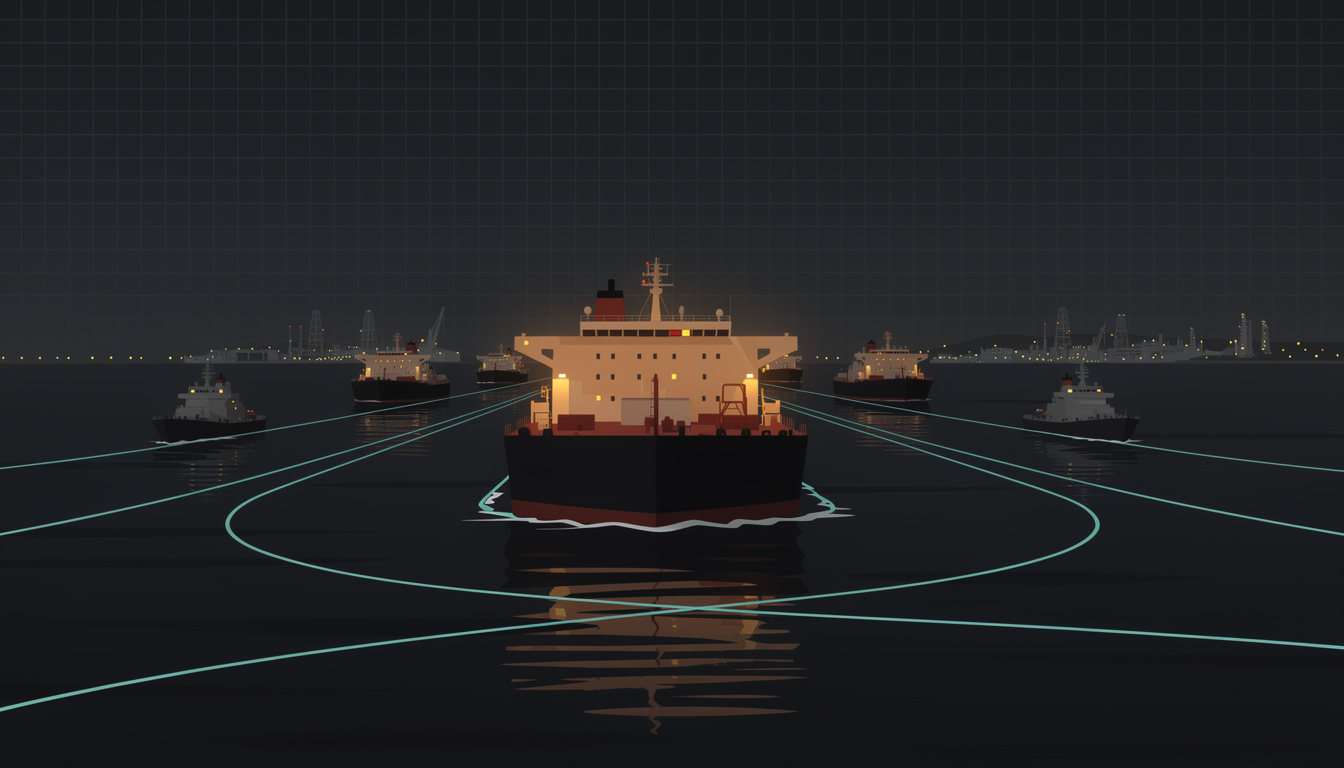
Oil and world markets swing sharply around the US-Iran strike pause

Nvidia reported in talks to guarantee $250 billion in OpenAI data-centre financing

US tariff wall widens to Switzerland and Mexico as Section 301 duties face court challenge

Zelensky is Burnham's first foreign guest, ahead of Washington talks

India's education minister resigns after month of youth protests
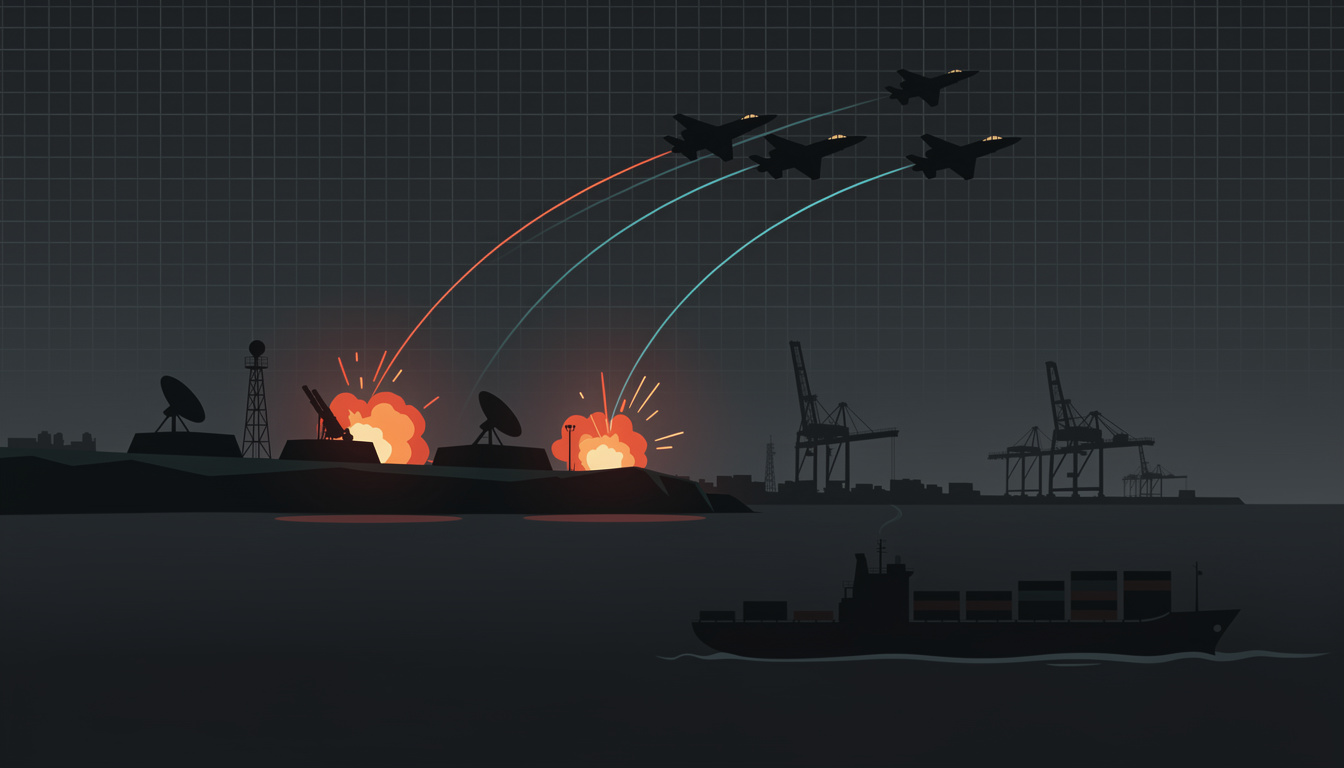
Houthi blockade halts Saudi oil exports through Bab al-Mandeb; crude reroutes via Suez

Fed opens second Warsh meeting with markets split between hold and hike
All stories
Global · 5
- Moonshot releases Kimi K3, the largest open-weight AI model to date
- Oil and world markets swing sharply around the US-Iran strike pause
- US tariff wall widens to Switzerland and Mexico as Section 301 duties face court challenge
- Fed opens second Warsh meeting with markets split between hold and hike
- Debate continues over AI attack on Hugging Face
Europe · 9
- Wildfires in France and Spain force hundreds of thousands from their homes
- Zelensky is Burnham's first foreign guest, ahead of Washington talks
- Missile and drone attacks kill civilians in Ukraine and Russian border regions
- Zelensky says Russia has asked North Korea for 30,000 more troops
- Suspect in Berlin Pride van attack shot dead by police
- Russian strikes halt Odessa port operations as damaged vessel sinks
- Romania downs third Russian drone and summons Moscow's ambassador
- China adds Polish university to dual-use export blacklist
- BDI: German industry losing 15,000 jobs a month
Middle East · 11
- Israel approves entry of international stabilisation force into Gaza
- Houthi blockade halts Saudi oil exports through Bab al-Mandeb; crude reroutes via Suez
- Iran and Oman report progress in talks on Strait of Hormuz traffic
- Syria's Sharaa seeks security agreement with Israel, welcomes US sanctions move
- Israeli settlers burn West Bank mosques after deadly clash near Nablus
- Iran vows response after Ukrainian strike on ship in Caspian Sea
- Iran threatens to widen war if US resumes strikes
- Trump pushes Saudi nuclear deal as critics warn of proliferation
- Khamenei links any US deal to end of Israeli attacks on Lebanon
- Israeli troops enter southern Syria a day after UN criticism
- Netanyahu to urge Trump to keep watch on Iran
Asia · 12
- Chinese memory maker CXMT surges around 470% on Shanghai debut after $9.8bn IPO
- India's education minister resigns after month of youth protests
- Samsung and SK Hynix sign $950bn memory deals with US tech firms
- China promotes AI, robotics and new drugs as its next growth industries
- US, Japan and Philippines hold South China Sea drills as China responds
- Chinese university investigates death of girl after gene-editing therapy
- Bank Indonesia governor Perry Warjiyo resigns unexpectedly
- Typhoon Noul makes landfall on China's southern coast
- North and South Korea compete over nuclear-powered submarines
- Yen at multidecade low lifts bets on early BOJ rate rise
- Drone attacks halt Kazakh oil exports
- Japan tracks joint Chinese-Russian naval patrol
North America · 5
Africa · 4
South America · 3
Geopolitics · 31
- Wildfires in France and Spain force hundreds of thousands from their homes
- Israel approves entry of international stabilisation force into Gaza
- Congo's Ebola outbreak passes 3,200 cases and 1,405 deaths
- Zelensky is Burnham's first foreign guest, ahead of Washington talks
- India's education minister resigns after month of youth protests
- Houthi blockade halts Saudi oil exports through Bab al-Mandeb; crude reroutes via Suez
- Iran and Oman report progress in talks on Strait of Hormuz traffic
- Missile and drone attacks kill civilians in Ukraine and Russian border regions
- Syria's Sharaa seeks security agreement with Israel, welcomes US sanctions move
- Zelensky says Russia has asked North Korea for 30,000 more troops
- Suspect in Berlin Pride van attack shot dead by police
- Israeli settlers burn West Bank mosques after deadly clash near Nablus
- Iran vows response after Ukrainian strike on ship in Caspian Sea
- US, Japan and Philippines hold South China Sea drills as China responds
- Iran threatens to widen war if US resumes strikes
- Russian strikes halt Odessa port operations as damaged vessel sinks
- Trump pushes Saudi nuclear deal as critics warn of proliferation
- Romania downs third Russian drone and summons Moscow's ambassador
- Brazil recalls ambassador to Argentina after Milei attacks Lula
- Separatist alliance with al-Qaeda shifts power in northern Mali
- Khamenei links any US deal to end of Israeli attacks on Lebanon
- Israeli troops enter southern Syria a day after UN criticism
- China adds Polish university to dual-use export blacklist
- Typhoon Noul makes landfall on China's southern coast
- North and South Korea compete over nuclear-powered submarines
- Sudanese army takes Kordofan town near besieged Al Obeid
- Japan tracks joint Chinese-Russian naval patrol
- Power plant failure leaves 70 percent of Cuba dark
- Machado rejects US-backed talks with Rodríguez government
- Netanyahu to urge Trump to keep watch on Iran
- Pentagon revises Iran war casualty figures
Economy · 13
- Chinese memory maker CXMT surges around 470% on Shanghai debut after $9.8bn IPO
- Oil and world markets swing sharply around the US-Iran strike pause
- US tariff wall widens to Switzerland and Mexico as Section 301 duties face court challenge
- Fed opens second Warsh meeting with markets split between hold and hike
- African Development Bank puts approaching 'super' El Niño cost at $10-20 billion
- Samsung and SK Hynix sign $950bn memory deals with US tech firms
- Big Tech earnings meet investor revolt over AI spending
- Bank Indonesia governor Perry Warjiyo resigns unexpectedly
- Yen at multidecade low lifts bets on early BOJ rate rise
- Drone attacks halt Kazakh oil exports
- BDI: German industry losing 15,000 jobs a month
- US food-stamp overhaul starts to reduce benefits
- Deadly storm in Chile disrupts copper mining
Technology · 5
- Moonshot releases Kimi K3, the largest open-weight AI model to date
- Nvidia reported in talks to guarantee $250 billion in OpenAI data-centre financing
- China promotes AI, robotics and new drugs as its next growth industries
- Chinese university investigates death of girl after gene-editing therapy
- Debate continues over AI attack on Hugging Face