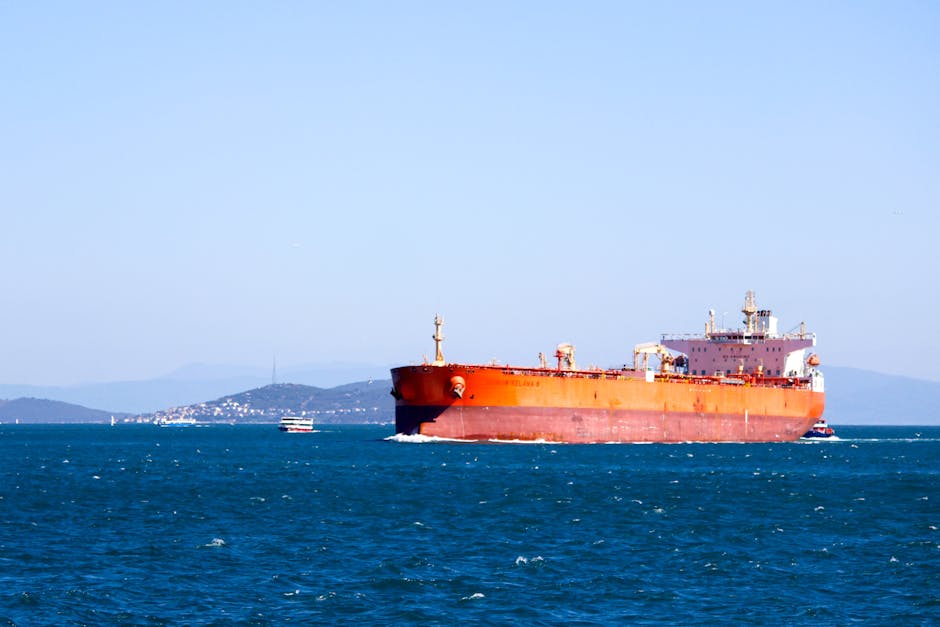
 Symbolic image
U.S.-Iran war escalates: new waves of strikes, naval blockade and threat against Iran's infrastructure
The U.S. military has struck targets in Iran again and reinstated its naval blockade of Iranian ports with more than 20 warships; the Revolutionary Guards shelled U.S. bases in Kuwait, Bahrain and Jordan. President Trump is threatening to hit power plants and bridges next and says the strikes will continue "until I say it's enough." The Washington-brokered ceasefire has thus collapsed for good.+ more perspectives
Overnight, U.S. Central Command said it flew another wave of strikes against missile, drone and air-defense positions in Iran, while Tehran responded with blows against U.S. bases in Kuwait, Bahrain and Jordan; a hit on a Kuwaiti naval vessel wounded four soldiers. The camps agree on the bare sequence of events, with Western and state-aligned media alike reporting fresh strikes and counterstrikes. They diverge on the interpretation: The New York Times and the Financial Times describe a president who has found an adversary he cannot force to back down and who lacks a strategy, while the FAZ and Die Zeit foreground Trump's threat against power plants and bridges as an attack on civilian infrastructure. Qatar's Al Jazeera quotes Trump's declaration that the strikes will go on "until I say it's enough" and frames the blockade as pressure of dubious legality under international law; Serbia's Politika soberly reports the CENTCOM confirmation and the hit on the Kuwaiti ship. Iran, through Deputy Foreign Minister Gharibabadi, declared the memorandum of understanding with the United States void, a signal that the diplomatic channel is dead for now. Die Zeit is already asking whether Iran is becoming a "failed state," which would make it both weak and dangerous. Observers across the spectrum agree that no end is in sight and that the real question of power, control over the Strait of Hormuz, remains unresolved.