US-Iran war escalates further: second wave of strikes, naval blockade, and threat of "existential war"Amid the fighting: Iran releases US citizen held since 2024Russian missiles hit Kyiv, fires in the capitalZelensky dismisses Defense Minister Fedorov in the midst of warEpstein files: Vance concedes the government "completely botched" their releaseWildfires in Canada: Toronto briefly has the world's worst airFrance passes assisted-dying lawCuba: third nationwide power outage within a weekSouth Korea's central bank raises rates for the first time in three and a half yearsTrump announces new tariffs on BrazilOil and gas prices rise on the Middle East escalationChina's EV offensive pressures Western manufacturersNvidia advances AI robots in Japan, Hyundai takes full control of Boston DynamicsChina clears Apple Intelligence, with Alibaba and Baidu as partnersTSMC heads for record profit thanks to AI boomEU accepts improvements from Musk's platform XUS-Iran war escalates further: second wave of strikes, naval blockade, and threat of "existential war"Amid the fighting: Iran releases US citizen held since 2024Russian missiles hit Kyiv, fires in the capitalZelensky dismisses Defense Minister Fedorov in the midst of warEpstein files: Vance concedes the government "completely botched" their releaseWildfires in Canada: Toronto briefly has the world's worst airFrance passes assisted-dying lawCuba: third nationwide power outage within a weekSouth Korea's central bank raises rates for the first time in three and a half yearsTrump announces new tariffs on BrazilOil and gas prices rise on the Middle East escalationChina's EV offensive pressures Western manufacturersNvidia advances AI robots in Japan, Hyundai takes full control of Boston DynamicsChina clears Apple Intelligence, with Alibaba and Baidu as partnersTSMC heads for record profit thanks to AI boomEU accepts improvements from Musk's platform X
Thema.alleThemen

Narrative thread · 26 events · Forecast hits 8/15

Hormuz-Iran Crisis

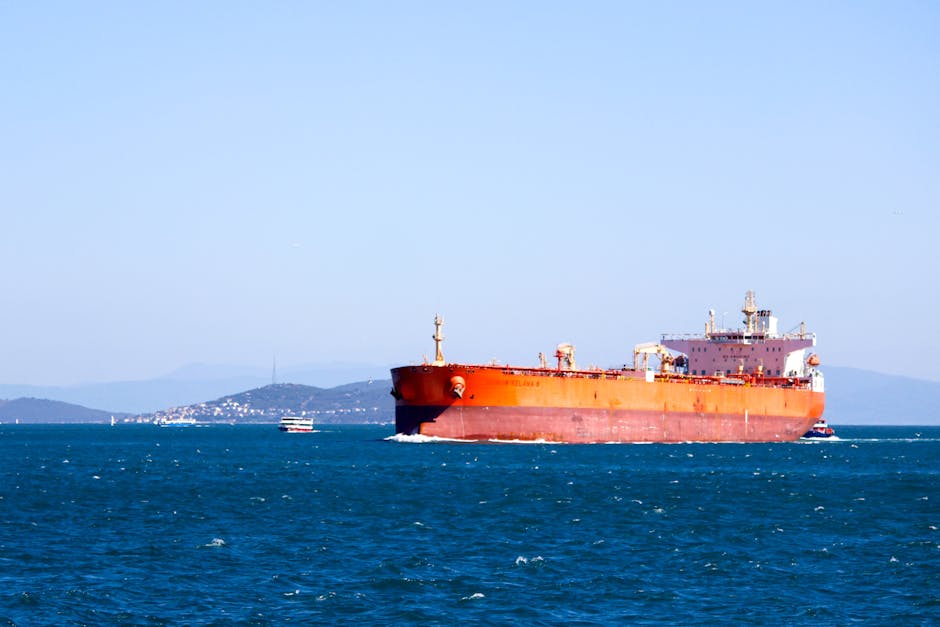
Symbolic image

The conflict began on February 28, 2026, when the United States and Israel launched an air war against Iran that led to the near-total closure of the Strait of Hormuz. After more than five weeks of fighting, both sides agreed to a ceasefire on April 7 and 8, which Israel also joined. On June 17 the presidents of the United States and Iran signed the so-called Islamabad Memorandum, which provided for a tariff-free reopening of the strait for 60 days, the clearing of mines by Iran and a gradual lifting of the US naval blockade. Implementation quickly faltered, however: a dispute over possible transit fees and an Iranian attack on a merchant ship near Hormuz led in mid-July to renewed mutual strikes, in which the United States again bombed targets in Iran while Iran attacked several Gulf states as well as tankers. President Trump then declared that, in his view, the ceasefire was over, leaving the situation open and tense again in mid-July 2026.

Al JazeeraCNNWikipedia

Timeline in detail

Thursday, 16 July 2026Economy

Oil and gas prices rise on the Middle East escalation

Oil prices rose for the fourth day in a row as US strikes on Iran stoke fears of a wider conflict. Asian gas prices reached their highest level since late March. The reason is the fear that shipping through the Strait of Hormuz will remain disrupted for longer.

Oil prices rose for the fourth trading day in a row, as the renewed US strikes on Iran heighten fears of an expansion of the conflict; this is reported by Reuters. Bloomberg reports that Asian prices for liquefied natural gas reached their highest level since late March, because market participants fear a longer-lasting disruption of shipping through the strategically important Strait of Hormuz. Both independent and market-liberal sources clearly link the price movement to the military escalation in the Gulf. A full price shock with Brent well above 100 dollars is not yet described in the reports, but rather a heightened, nervous market situation. For importing countries this sharpens inflation worries, while oil and gas exporters benefit in the short term. How much further prices rise depends largely on whether the strait is actually blockaded.

ReutersBloomberg

Thursday, 16 July 2026GeopoliticsAmid the fighting: Iran releases US citizen held since 2024

Amid the fighting: Iran releases US citizen held since 2024

Iran has released Iranian-American dual national Dena Karari, who had been held on espionage charges since December 2024. President Trump said she was "safely out of Iran and in good condition" and thanked Tehran. The release comes in the middle of the military escalation between the two states.

Dena Karari, an Iranian-American dual citizen whose passport had been confiscated in December 2024 and who had since been barred from leaving the country, has been released, according to Washington. Trump announced the news on Truth Social, describing a wrongfully detained person who was now safe, and expressly thanked Iran. The New York Times and the Guardian frame the move as a rare signal of limited understanding, even as US fighter jets continue to strike Iranian targets. The conservative Welt links the release to the simultaneous explosions near Tehran and the disabling of an oil tanker, stressing the contrast between the humanitarian gesture and the ongoing war. Tehran itself gave no detailed rationale, leaving room for interpretation as to whether it was a show of trust, a negotiating signal, or an isolated humanitarian decision. The sourcing on the precise circumstances of the release remains thin.

New York TimesThe GuardianDie Welt

Forecast · Assessment
  • Most likely55%

    The release remains an isolated humanitarian gesture, without leading to negotiations or a de-escalation of the war.

  • Worst case20%

    The gesture fizzles out as Iran holds other dual nationals or Western citizens as bargaining chips and the conflict escalates further.

  • Best case25%

    The exchange proves to be a first step of quiet contacts that open a channel for a later ceasefire.

Thursday, 16 July 2026GeopoliticsUS-Iran war escalates further: second wave of strikes, naval blockade, and threat of "existential war"

US-Iran war escalates further: second wave of strikes, naval blockade, and threat of "existential war"

Within a single day, the US military flew a second wave of strikes against Iranian coastal defenses and missile positions and reimposed the naval blockade of Iran's ports. Tehran spoke of an "existential war" with America, threatened to halt further energy exports, and reported drone attacks on US bases in Jordan. For the first time, targets in northern Iran were also hit.

According to US Central Command, on Wednesday the US military launched a second wave of strikes on the same day, hitting Iranian coastal defense installations and missile positions after having earlier renewed the naval blockade of Iranian ports. Iran declared it was in an "existential war" with the United States and threatened to cut off further regional energy exports; on Thursday morning the Iranian army reported drone attacks on US military installations in Jordan. The Western-oriented sources (Daily Maverick, FAZ, Haaretz) emphasize the growing US firepower, the pressure on Tehran, the first-time expansion of the strikes into the north of the country, and the disabling of an oil tanker. Al Jazeera, by contrast, highlights the civilian damage and quotes an Iranian doctor as saying a US strike damaged a children's cancer clinic; this account comes from an Iranian source and could not be independently confirmed. Serbia's B92 speaks matter-of-factly of a "second strike" and reports the CENTCOM statement. In parallel, Trump praised Tehran's release of a US citizen, which points to narrow channels amid the escalation. The ceasefire brokered by Washington the previous week is now definitively history.

Daily MaverickLe MondeFAZAl JazeeraB92

Forecast · Assessment
  • Most likely55%

    The exchange of strikes and retaliation continues for days without the US destroying the underground nuclear facilities or Iran fully closing the Strait of Hormuz.

  • Worst case25%

    Trump has Iran's power grid and civilian infrastructure bombed, Iran closes the strait and fires on further US bases, and the war spreads across the region.

  • Best case20%

    Mediation pressure from the Gulf states forces a new ceasefire within days along with talks on shipping.

Wednesday, 15 July 2026EconomyOil price rises, fuel markets in record tightness due to the Hormuz crisis

Oil price rises, fuel markets in record tightness due to the Hormuz crisis

The renewed U.S. strikes on Iranian energy targets are driving up the oil price, and fuel markets in the United States and Europe are showing a "record tightness," according to Bloomberg. Economists consider a rate hike "by September" possible; British heating-oil customers are to be compensated.

That the Hormuz escalation is hitting the energy markets is disputed by no side: Reuters and The Wall Street Journal report rising oil prices after the strikes against energy targets, and Bloomberg speaks of "record tightness" in fuel markets on both sides of the Atlantic. In the framing, the papers set different accents. The conservative Telegraph puts the monetary-policy consequences up front, rate hikes "by September," driven by the oil price. The liberal Economist holds Trump's "Hormuz brinkmanship" directly responsible for the worsening global fuel crisis and stresses that rising oil prices are only part of the problem. The BBC personalizes the consequences and reports compensation for British heating-oil customers after the price jump. The rise in oil and fuel costs and the real danger that it will reignite inflation are facts; what is contested is how much of it is down to the war itself and how much to Washington's escalatory course.

The TelegraphThe EconomistReutersBloombergBBC News

Forecast · Assessment
  • Most likely55%

    Oil and fuels remain elevated and volatile, inflation worries grow, but a full price shock does not yet materialize.

  • Worst case25%

    A de facto closure of Hormuz drives Brent above 100 dollars, stokes inflation and forces tighter monetary policy.

  • Best case20%

    A swift de-escalation lets oil and fuel prices fall back and eases the inflation situation.

Wednesday, 15 July 2026GeopoliticsTrump scraps the 20 percent toll for the Strait of Hormuz

Trump scraps the 20 percent toll for the Strait of Hormuz

Just a day after announcing it, President Trump has dropped the planned 20 percent fee on cargo ships passing through the Strait of Hormuz and says he will replace it with trade deals with the Gulf states. Observers read the reversal as a sign that Washington is looking for a way out of the war with Iran.

On Monday Trump had announced a 20 percent levy on all goods passing through the strait under U.S. protection; on Tuesday he withdrew the plan. All camps report the sequence the same way, but assess it differently: the BBC reads the abrupt about-face as evidence that Trump is struggling to end a war now in its fifth month. The Economist judges that the president has "no good options" to reopen the strait, but stresses that the blockade is also proving costly for an already cash-strapped Iran. The Sueddeutsche Zeitung and The New York Times emphasize that the fee would have driven global energy prices still higher and that the retreat defuses that danger. Turkey's pro-government Daily Sabah reports the reversal matter-of-factly as further proof of Washington's zigzag course. Serbia's N1 broadcaster raises the fundamental question of whether such a toll, weighed by both Iran and the United States, would even be lawful. The sources agree that the withdrawal changes nothing about the military escalation: instead of the toll, Washington is now betting on bilateral arrangements with the Gulf states.

BBC NewsNew York TimesDaily SabahThe EconomistN1

Forecast · Assessment
  • Most likely55%

    The Gulf deals replace the toll, but the blockade and war risk keep freight rates and insurance costs for the strait high.

  • Worst case20%

    A de facto closure of Hormuz sends freight costs soaring and hits global supply chains hard.

  • Best case25%

    Arrangements with the Gulf states stabilize passage, and freight rates return to normal.

Wednesday, 15 July 2026GeopoliticsU.S.-Iran war escalates: new waves of strikes, naval blockade and threat against Iran's infrastructure

U.S.-Iran war escalates: new waves of strikes, naval blockade and threat against Iran's infrastructure

The U.S. military has struck targets in Iran again and reinstated its naval blockade of Iranian ports with more than 20 warships; the Revolutionary Guards shelled U.S. bases in Kuwait, Bahrain and Jordan. President Trump is threatening to hit power plants and bridges next and says the strikes will continue "until I say it's enough." The Washington-brokered ceasefire has thus collapsed for good.

Overnight, U.S. Central Command said it flew another wave of strikes against missile, drone and air-defense positions in Iran, while Tehran responded with blows against U.S. bases in Kuwait, Bahrain and Jordan; a hit on a Kuwaiti naval vessel wounded four soldiers. The camps agree on the bare sequence of events, with Western and state-aligned media alike reporting fresh strikes and counterstrikes. They diverge on the interpretation: The New York Times and the Financial Times describe a president who has found an adversary he cannot force to back down and who lacks a strategy, while the FAZ and Die Zeit foreground Trump's threat against power plants and bridges as an attack on civilian infrastructure. Qatar's Al Jazeera quotes Trump's declaration that the strikes will go on "until I say it's enough" and frames the blockade as pressure of dubious legality under international law; Serbia's Politika soberly reports the CENTCOM confirmation and the hit on the Kuwaiti ship. Iran, through Deputy Foreign Minister Gharibabadi, declared the memorandum of understanding with the United States void, a signal that the diplomatic channel is dead for now. Die Zeit is already asking whether Iran is becoming a "failed state," which would make it both weak and dangerous. Observers across the spectrum agree that no end is in sight and that the real question of power, control over the Strait of Hormuz, remains unresolved.

FAZNew York TimesFinancial TimesAl JazeeraPolitika

Forecast · Assessment
  • Most likely55%

    The exchange of overnight strikes and retaliation continues, without the United States hitting the underground nuclear facilities or Iran fully closing Hormuz.

  • Worst case20%

    Trump makes good on his threat and strikes Iran's power grid and civilian infrastructure, Iran closes the strait, and the war spreads across the region.

  • Best case25%

    Mediation pressure from the Gulf states forces a new ceasefire and talks on shipping within days.

Tuesday, 14 July 2026EconomyTrump drops 20 percent Hormuz toll in favor of Gulf deals

Trump drops 20 percent Hormuz toll in favor of Gulf deals

US President Trump has dropped the 20 percent fee on cargo ships in the Strait of Hormuz that he had announced just 24 hours earlier. Instead, he is relying on bilateral arrangements with the Gulf states, while the US prepares a blockade of Iranian ports.

The sources agree at the core: Trump withdrew the 20 percent transit fee for the Strait of Hormuz announced the day before and is now betting on deals with the Gulf states. The Wall Street Journal reports soberly on the monetary about-face, while the British BBC places the move in the larger context of an ongoing US attempt to break Iran's control over the waterway, including a prepared port blockade. Reuters emphasizes the diplomatic reorientation toward the Gulf monarchies. The German FAZ foregrounds the economic consequences and shows how shipping companies like Hapag-Lloyd profit from the Iran war and scarce freight capacity with generous surcharges. The retreat from the toll is treated as fact; whether it signals weakness or tactical calculation remains disputed. The Western sources predominantly interpret it as a reaction to market pressure and diplomatic resistance. An Iranian or Gulf Arab internal view is not present in the raw reports.

Wall Street JournalBBC NewsReutersFAZ

Forecast · Assessment
  • Most likely55%

    The Gulf deals replace the toll, but the blockade preparations keep freight rates and oil prices high.

  • Worst case20%

    The port blockade escalates into open clashes in the strait and sends energy prices soaring worldwide.

  • Best case25%

    A deal with the Gulf states de-escalates the situation and shipping quickly returns to normal.

Monday, 13 July 2026EconomyOil price at monthly high, stock markets under pressure from Middle East escalation

Oil price at monthly high, stock markets under pressure from Middle East escalation

Brent crude has risen above 85 dollars for the first time in a month, driven by tensions over the Strait of Hormuz. On the stock markets, dashed hopes of an early end to the war and a retreat from AI stocks weighed on prices. At the same time, investors are awaiting US inflation data and bank earnings.

Al Jazeera and Reuters report Brent near 85 dollars at a monthly high because of the US-Iran fighting and the blockade announcement. The AP reports that oil prices jumped while AI-driven Asian stocks gave way. Reuters points to the upcoming US consumer prices: falling gasoline prices are likely to have dampened June inflation, but the newly reignited Iran war could undo the progress. Australian economists warn, according to the Guardian, that sustained attacks could drive oil above 100 dollars and make further interest rate hikes more likely. The sources are broad (Gulf, US, UK) and agree in their diagnosis that Hormuz is the central price driver; what remains disputed is how lasting it will be.

Al JazeeraReutersAssociated PressThe Guardian

Forecast · Assessment
  • Most likely55%

    The oil price remains elevated and volatile, and the stock markets move sideways until US inflation data and bank earnings bring more clarity.

  • Worst case25%

    A complete disruption of Hormuz traffic drives Brent above 100 dollars, fuels inflation and forces tighter monetary policy.

  • Best case20%

    A rapid de-escalation lets the oil price fall back and supports stocks and the easing of inflation.

Monday, 13 July 2026EconomyTrump imposes naval blockade and 20 percent levy on Hormuz transit

Trump imposes naval blockade and 20 percent levy on Hormuz transit

President Trump has reinstated the US naval blockade against Iranian ships and demanded a 20 percent levy on all goods passing through the Strait of Hormuz. The measure is to be enforced from Tuesday. Economists warn of a doubling of freight costs for oil and goods.

Roughly a fifth of the world's traded oil passes through the strait; the NYT calculates that the 20 percent toll could double transport costs. Trump ties the blockade to a demand that the wealthy Gulf states pay for their protection against Iranian attacks (Al Jazeera). The Berliner Zeitung and the AP stress the consequences for consumers: gasoline, gas and heating costs are likely to rise, and oil prices have already climbed by around nine percent. Critics see the levy as a legally questionable charge imposed on international waters; the AP also asks how difficult it actually is to keep the strait open militarily. The sources are broad (US, Germany, Gulf) but weigh Washington's cost-and-power perspective heavily; Iranian counterarguments are largely absent.

New York TimesBerliner ZeitungAssociated PressAl Jazeera

Forecast · Assessment
  • Most likely55%

    The blockade is partially enforced, shipping companies avoid the route or pay, and freight and energy prices remain elevated without the toll fully taking hold.

  • Worst case20%

    Iran responds with a de facto closure of the strait, the price of oil surges past 100 dollars and triggers a global inflationary shock.

  • Best case25%

    International pressure and complaints about its legality force Washington to withdraw or suspend the levy quickly.

Monday, 13 July 2026GeopoliticsUS strikes Iran for a third night, Tehran hits back

US strikes Iran for a third night, Tehran hits back

The US military flew its third consecutive wave of strikes against Iranian targets overnight, while the Revolutionary Guards responded with missiles against bases in the region. Trump openly threatened to destroy underground nuclear facilities. Washington and Tehran have effectively returned to open war.

According to US Central Command, the attack began around 22:45 Central European Time and hit military targets at several locations in Iran; more than 50,000 US soldiers are stationed in the region. Iran fired missiles at a US air base in Jordan, whose military intercepted four projectiles, and Bahrain and Saudi Arabia's Abha airport also reported attacks (Houthi retaliation). Western mainstream outlets (NYT, Zeit) portray a controlled but rapidly escalating situation; Serbia's Politika (state-aligned) and Qatar's Al Jazeera place greater emphasis on US aggression and Trump's threat against the nuclear mountain "Pickaxe Mountain." The NYT also reports on a failed Israeli operation to build up former President Ahmadinejad as a tool for regime change. Iranian voices barely feature directly in the available sources, and the picture remains dominated by Western and Gulf Arab perspectives. What is undisputed: the brief ceasefire is over, and the front line now runs openly.

New York TimesDie ZeitAl JazeeraReuters

Forecast · Assessment
  • Most likely60%

    The exchange of blows continues with further nighttime strikes and retaliation, without either side risking a major attack on nuclear facilities or a ground offensive.

  • Worst case15%

    The US attacks the underground nuclear facilities, Iran closes the Strait of Hormuz completely, and the conflict widens into a regional war involving Gulf states and Israel.

  • Best case25%

    Mediation pressure from London and the Gulf states leads within days to a renewed ceasefire and talks on shipping.

Sunday, 12 July 2026GeopoliticsUS Senator Lindsey Graham dies at 71

US Senator Lindsey Graham dies at 71

The influential Republican senator and longtime foreign-policy hawk Lindsey Graham has died at the age of 71. He was regarded as a staunch supporter of Israel and of the US strikes on Iran.

On July 12, AFP, the NYT and The Economist reported the death of Republican Senator Lindsey Graham of South Carolina at the age of 71. For more than two decades Graham was one of the defining foreign-policy voices in the Senate, a hardliner who favored military interventions and a tough Iran policy and firmly supported Israel. The NYT highlights that he backed the US strikes on Iran, even as the wars were eroding American support. Germany's taz portrays him as an old-school Republican, at once friend and foe to Trump. The Berliner Zeitung speaks of a sudden vacuum in US foreign policy. His death comes in the middle of the acute Iran escalation, splitting the assessments between tribute and a critical reckoning with his interventionist course.

New York TimesThe EconomisttazDaily Sabah

Forecast · Assessment
  • Most likely65%

    Graham's Senate seat is filled on an interim basis by the governor of South Carolina, and his tough line on Iran loses an advocate in the Senate without the course changing immediately.

  • Worst case15%

    The loss of his voice and a dispute over the succession paralyze Iran policy in Congress at a moment when clear decisions are needed.

  • Best case20%

    His death triggers a bipartisan rethink that leads to a more restrained and more broadly supported US Middle East policy.

Sunday, 12 July 2026EconomyOil price jumps after Hormuz escalation, stocks fall, rate-hike bets rise

Oil price jumps after Hormuz escalation, stocks fall, rate-hike bets rise

Oil prices made their biggest jump since April after Trump demanded a 20 percent levy on cargo passing through the Strait of Hormuz. Stocks and bonds fell, and traders priced in a possible Fed rate hike.

The renewed US-Iran escalation at the Strait of Hormuz hit markets hard on July 12. According to Bloomberg, oil posted its biggest daily jump since April after Trump said he wanted to impose a 20 percent levy on all cargo passing through the strait. Stocks and bonds fell together, as a possible supply disruption revived inflation fears. According to Bloomberg, traders now see roughly a 50 percent chance that the Fed, led by Kevin Warsh, will raise rates as soon as July, with the WSJ calling this Warsh's first major directional decision. Reuters warns that Europe's kerosene stocks would last less than a month if the disruption persists. The conservative Welt criticizes that it is above all the Europeans who are paying the price for Trump's protection-money maneuver. The assessment differs depending on the camp: market-liberal outlets emphasize the inflation risk, European voices the geopolitical dependence.

BloombergBloombergReutersDie Welt

Forecast · Assessment
  • Most likely55%

    Oil stays elevated and volatile amid persistent Hormuz uncertainty, and the Fed explicitly keeps a rate hike open without acting immediately.

  • Worst case20%

    A genuine blockade sends oil prices permanently higher, the Fed raises rates, and the combination of an energy price shock and tightening pushes the economy toward recession.

  • Best case25%

    The situation at Hormuz calms quickly, the oil price falls back and the rate-hike expectation disappears from prices.

Sunday, 12 July 2026GeopoliticsUS launches new wave of strikes against Iran, Tehran widens Gulf retaliation

US launches new wave of strikes against Iran, Tehran widens Gulf retaliation

US Central Command reported a completed new wave of strikes hitting dozens of targets in Iran. Tehran responded with Revolutionary Guard attacks on US positions in several Gulf states, and the Strait of Hormuz remained effectively blocked.

On July 12, US Central Command said its latest wave of strikes against Iran had ended and had hit dozens of targets. In return, Iran's Revolutionary Guards reported strikes against US facilities in Jordan, Bahrain and Kuwait, while the Strait of Hormuz remained largely closed to regular traffic. Western and Arab sources (AP, AFP, Daily Sabah) describe a dangerous spiral with no discernible line of de-escalation. State-linked Xinhua stresses US aggression, while a commentary in Israel's Haaretz argues that killing Khamenei has strengthened the regime rather than toppled it. The New York Times puts into context how Trump's earlier Iran deal effectively failed to secure control over the waterway. The range of sources is broad, but on concrete casualty and hit figures it depends largely on claims from the warring parties, which cannot be independently verified.

Associated PressNew York TimesDaily SabahHaaretzXinhua

Forecast · Assessment
  • Most likely60%

    The exchange continues with limited strikes and counterstrikes, Hormuz stays intermittently closed, without an openly declared war or a negotiated settlement.

  • Worst case15%

    Iran sinks or damages a ship in the strait or hits a US base hard, prompting Washington to respond with a broad strike campaign and a regional war breaks out.

  • Best case25%

    Gulf states and mediators force a ceasefire, Hormuz is reopened and both sides return to the negotiating table.

Saturday, 11 July 2026GeopoliticsUS strikes Iran after Tehran fires on a ship in the Strait of Hormuz

US strikes Iran after Tehran fires on a ship in the Strait of Hormuz

The United States has struck targets in Iran after Iranian forces opened fire on a container ship in the Strait of Hormuz. The strike came just hours after a meeting between the foreign ministers of Iran and Oman on reopening the waterway. The fragile ceasefire in place since the early-summer war is wavering once again.

After weeks of relative calm, the conflict in the Gulf is flaring up again: Iran fired on a container ship in the Strait of Hormuz, prompting US forces to respond with heavy strikes against Iranian targets. The timing is delicate, as the attack came just hours after a meeting between the foreign ministers of Iran and Oman that was precisely about reopening the strait to traffic. Washington casts the strike as a defense of commercial shipping and a response to Iranian aggression. Tehran had previously threatened repeatedly to impose fees and conditions on passage, which the United States consistently rejected. In parallel, there is dispute over earlier Israeli strikes on Iranian steel plants: Israel justified them on grounds of military utility, but the strikes also hit the civilian economy, reopening the question of what constitutes a legitimate target. The available sourcing here relies heavily on US reporting (New York Times), with scarcely any Iranian counter-account available. A great deal is at stake for the global market, as a fifth of the world's oil flows through the strait.

New York TimesNew York Times (Live)New York Times

Forecast · Assessment
  • Most likely60%

    After limited retaliatory strikes, a tense but sustained de-escalation returns; shipping continues under heightened risk.

  • Worst case15%

    Iran blockades or mines parts of the strait, the oil price spikes abruptly and a broader regional war looms.

  • Best case25%

    Oman and other mediators stabilize a ceasefire, and passage quickly returns to normal.

Friday, 10 July 2026GeopoliticsStrait of Hormuz: attacks on ships drive up the oil price

Strait of Hormuz: attacks on ships drive up the oil price

After attacks on three merchant ships in the Strait of Hormuz, the oil price has risen above its pre-war level. Shipowners are eager to get their vessels through the strait but fear mounting risks. The United States and Iran are vying for control of the strategic passage.

The Strait of Hormuz, through which a large share of the world's oil transport passes, has once again become a flashpoint. Attacks on three commercial ships within a few days have pushed the crude oil price above the level seen before the recent hostilities. Shipping companies face a dilemma: they are eager to move their freighters through the strait but find themselves exposed to rising dangers. According to the New York Times, one manager describes the situation as getting "uglier by the minute." In the background, the United States and Iran are competing for control of the passage after Iran in early July ordered tankers to use only approved routes. The reporting here relies largely on the New York Times, with a broader base of sources lacking on this day.

New York Times (Shipping)New York Times (Ölpreis)

Forecast · Assessment
  • Most likely55%

    Tensions persist, the oil price remains volatile and elevated, and shipowners factor in risk premiums and detours.

  • Worst case20%

    The strait is effectively closed at times, the oil price spikes abruptly, and a direct US-Iran clash looms.

  • Best case25%

    A quiet de-escalation secures passage, the attacks end, and the oil price falls back.

Thursday, 9 July 2026GeopoliticsAmnesty calls for war crimes investigation into Israel's Lebanon strikes

Amnesty calls for war crimes investigation into Israel's Lebanon strikes

Amnesty International demands an investigation into Israeli strikes on Lebanon as possible war crimes. The organization presented new findings on the matter.

Amnesty International has called for Israeli strikes on Lebanon to be investigated as possible war crimes. The human rights organization presented findings that, in its view, suggest serious violations. Israel regularly rejects such accusations and points to its right to self-defense against Hezbollah, which is why the counter-position must be taken into account here, even though it is only briefly reflected in the available source. The demand adds to a growing number of international calls for an independent reckoning with the actions in Lebanon. With a single, Turkish state-aligned report, the range of sources is thin and one-sided, which should be kept in mind when assessing it.

Daily Sabah

Forecast · Assessment
  • Most likely55%

    The demand raises international pressure but remains without immediate legal consequences, while Israel rejects the accusations.

  • Worst case20%

    New escalations in Lebanon worsen the situation, and an effective independent investigation remains blocked.

  • Best case25%

    International pressure leads to a credible independent investigation and to more restraint in future strikes.

Thursday, 9 July 2026GeopoliticsNew U.S.-Iran strikes cause Hormuz traffic to collapse

New U.S.-Iran strikes cause Hormuz traffic to collapse

After fresh attacks, the number of ships on the U.S.-backed Hormuz route drops sharply, many of them oil and gas tankers. Markets are growing more doubtful about the fragile ceasefire.

A renewed round of strikes between the United States and Iran has caused a sharp drop in traffic through the Strait of Hormuz. BBC data show a noticeable decline in ships, many of them oil and gas tankers, using the U.S.-backed route. The shipping company Maersk announced it would resume its Middle East to U.S. East Coast connection, but via the Suez Canal, suggesting a detour around the danger zone. Nervousness is returning to financial markets: investors had previously relied on the fragile ceasefire between Washington and Tehran, but the new fighting exposes cracks in that calculation. The sources here mix Western and Turkish reporting, and a comprehensive picture of the military situation remains thin for now.

BBC NewsNew York TimesDaily Sabah

Forecast · Assessment
  • Most likely55%

    The ceasefire holds but stays fragile, ship traffic remains subdued and carriers keep diverting to longer routes, nudging freight and energy prices slightly higher.

  • Worst case20%

    The strikes escalate into a broader confrontation, the Strait of Hormuz becomes temporarily impassable and oil prices jump sharply.

  • Best case25%

    Diplomatic pressure quickly stabilizes the ceasefire, traffic returns to normal and markets calm down again.

Wednesday, 8 July 2026GeopoliticsTrump Declares Iran Ceasefire Over, Oil Price Jumps

Trump Declares Iran Ceasefire Over, Oil Price Jumps

US President Trump declared the provisional ceasefire with Iran “over,” but said he would still allow talks to continue. Oil prices thereupon shot up by nearly six percent.

Trump’s announcement that the interim agreement with Tehran was “over” triggered an abrupt price jump of almost six percent on commodity markets, as traders priced in a renewed escalation in the Gulf. At the same time, Trump left the door open for further negotiations, letting his statements oscillate between threat and negotiating tactic. The Economist notes that Iran’s ultranationalist new leadership may even welcome Trump’s bluster, because it serves them domestically. In parallel, according to the Economist’s Middle East correspondent, the regime is staging its power inward with a mega state funeral. Whether an actual change of course lies behind the forceful rhetoric or merely negotiating pressure remains open; the factual basis rests above all on Trump’s own statements and the market reaction to them.

Daily SabahThe EconomistThe Economist

Forecast · Assessment
  • Most likely55%

    It stays at verbal escalation without open war; after the initial shock the oil price partly settles back down, as long as no concrete military steps follow.

  • Worst case20%

    The termination turns into a genuine confrontation in the Gulf, threatening the Strait of Hormuz and driving oil prices up for the long term.

  • Best case25%

    The still-open door to negotiations leads to a more durable agreement, and the markets calm down again quickly.

Tuesday, 7 July 2026EconomyUK House Prices Rise for the First Time Since the Start of the Iran War

UK House Prices Rise for the First Time Since the Start of the Iran War

British house prices rose in June for the first time since the start of the Iran war. A typical property cost 299,330 pounds according to Lloyds/Halifax, up 0.2 percent from the previous month.

After months of stagnation following the Iran war, house prices in the United Kingdom rose again in June for the first time. According to the Lloyds/Halifax index, a typical property cost 299,330 pounds, up 0.2 percent from the previous month, leaving values only just below the start of the year. The slight increase points to a cautious stabilization of the market, which had been burdened by the energy price and economic shocks of the Iran war. Whether this is a sustainable turnaround or merely a snapshot remains open given the still fragile economic situation. The figures come from a single survey and should not be over-interpreted.

The Guardian

Forecast · Assessment
  • Most likely60%

    The market stabilizes slowly with small price movements, as long as energy prices and the economy do not deteriorate dramatically.

  • Worst case15%

    A renewed energy price shock or a rate reversal pushes prices back below last year’s level and hits over-indebted households.

  • Best case25%

    Falling interest rates and easing energy prices trigger a noticeable recovery of the housing market.

Monday, 6 July 2026GeopoliticsKhamenei’s Funeral Becomes a Stage for Iran’s Question of Power

Khamenei’s Funeral Becomes a Stage for Iran’s Question of Power

Around the funeral for the deceased Ayatollah Khamenei, a political struggle over the succession and the future direction of the regime is unfolding in Iran. The staging of the mourning itself becomes an instrument of power.

The Economist analyzes the politics behind the funeral for Ayatollah Khamenei. The public display of mourning is itself becoming an instrument in the struggle over the succession and future course of the regime, which is weakened after the war with Israel. Rival camps use the ceremony to demonstrate loyalty and stake out their position in the power structure. The interpretation comes from a single Western-liberal source; an Iranian state account framing the funeral as an expression of genuine popular attachment is missing and should be kept in mind.

The Economist

Forecast · Assessment
  • Most likely55%

    The regime maintains outward unity, while behind the scenes a grueling power struggle over the succession is under way.

  • Worst case20%

    The power struggle escalates openly and destabilizes Iran domestically, with consequences for the entire region.

  • Best case25%

    An orderly transition consolidates a more pragmatic leadership that bets on de-escalation abroad.

Monday, 6 July 2026EconomyWorld Weathers Historic Oil Shock, but Depleted Reserves Carry Risks

World Weathers Historic Oil Shock, but Depleted Reserves Carry Risks

Since the start of the Iran war, more than a billion barrels of oil have vanished from the market, yet the world economy has so far coped with the shock surprisingly well. At the same time, Turkey’s central bank reports that strong exports have offset the war-driven rise in energy imports.

After the Iran war, the global oil market is proving more resilient than feared. According to Daily Sabah, the world economy has absorbed the disappearance of more than a billion barrels since the start of the war unexpectedly well, among other things by drawing on reserves. But that is precisely where the risk lies: the heavily depleted stocks offer barely any buffer left, so the danger of sharp price jumps continues to hang over the market. At the country level, Turkey’s central bank, the CBRT, reports that robust exports and weaker non-energy imports largely offset the war-driven surge in energy import costs in the second quarter, which supported the trade balance. Both reports come from the same state-aligned Turkish source; an independent or Western check on the optimistic reading is missing and should be kept in mind.

Daily Sabah (Oelschock)Daily Sabah (CBRT)

Forecast · Assessment
  • Most likely55%

    Prices remain stable for now, but as reserves keep falling, vulnerability to swings from any new disruption increases.

  • Worst case20%

    A new supply shock or an escalation in the Gulf meets empty buffers and triggers a sharp price increase with inflationary consequences.

  • Best case25%

    Outages are replaced by additional output from other producers, reserves are replenished, and the market normalizes.

Sunday, 5 July 2026EconomyOPEC+ raises output again as the Strait of Hormuz calms down

OPEC+ raises output again as the Strait of Hormuz calms down

OPEC+ has agreed another oil-production increase for August, pumping additional volumes into a market with falling prices. At the same time, shipping traffic through the Strait of Hormuz is gradually returning to normal after the Iran war. Energy-dependent India is responding by expanding its domestic output.

According to a statement issued on Sunday, the OPEC+ group has agreed a further production increase for August, continuing its course of supply expansion even though oil prices are already falling. From the perspective of the state-aligned Turkish outlet Daily Sabah, this is possible because traffic through the Strait of Hormuz is gradually returning to normal after the war between Israel, the United States and Iran, easing the acute fear of a blockade. For producer nations, the combination of higher volumes and lower prices means declining revenue per barrel, a sign that market share currently takes priority over price support. India, one of the largest importers, is drawing consequences from the war's supply shock and, according to its oil minister, is expanding its domestic exploration to reduce its dependence on the Gulf. The sources here are one-sided and close to the Turkish state, which stresses the relaxed reading of the Hormuz situation; independent confirmation of the extent of the normalization is lacking. What is clear is that energy markets are trying to reorganize themselves after the extreme weeks of June.

Daily SabahDaily Sabah

Forecast · Assessment
  • Most likely60%

    Shipping traffic through Hormuz continues to normalize and oil prices remain under pressure, while OPEC+ sticks to its course of expanding volumes.

  • Worst case15%

    A new incident in the Gulf or an Iranian threat causes the Strait of Hormuz to escalate again, driving oil prices sharply higher.

  • Best case25%

    The situation stabilizes for the long term, low energy prices dampen global inflation and importing countries such as India gain room to maneuver.

Saturday, 4 July 2026EconomyOil Price Falls Below 70 Dollars as War Premium Fades

Oil Price Falls Below 70 Dollars as War Premium Fades

At the start of July, the Brent spot price fell below 70 dollars per barrel, back to its level from before the Iran conflict. The recovery of shipping through the Strait of Hormuz caused the war premium to melt away. In June, Brent had still averaged 85 dollars.

In the days around 4 July 2026, the decline in oil prices continued: the Brent spot price fell below 70 dollars per barrel on 1 July, back to its level from before the conflict that began on 28 February. The reason was the recovery of shipping through the Strait of Hormuz, after the United States and Iran had signed a Memorandum of Understanding on 18 June to end the conflict and open the strait. As a result, the previously priced-in war premium melted away. In June, the Brent price had still averaged 85 dollars, around 22 dollars below the May average. Heading into the weekend, the market was reportedly on course for its fourth consecutive week of losses. The price figures come from market reports by The National, CNBC and the EIA; the trend remained fragile given the unresolved Hormuz question and reversed again over the further course of the month.

The NationalU.S. EIA

Forecast · Assessment
  • Most likely45%

    A lasting agreement secures the open strait, prices stabilize at a low level and ease the burden on consumers and inflation.

  • Most likely35%

    A lasting agreement secures the open strait, prices stabilize at a low level and ease the burden on consumers and inflation.

  • Most likely20%

    A lasting agreement secures the open strait, prices stabilize at a low level and ease the burden on consumers and inflation.

Saturday, 4 July 2026GeopoliticsIran Begins Khamenei Mourning Ceremonies and Threatens Hormuz Fees

Iran Begins Khamenei Mourning Ceremonies and Threatens Hormuz Fees

In Tehran, the multi-day mourning ceremonies begin for Ayatollah Khamenei, killed on 28 February, with Iran expecting millions of participants. At the same time, Tehran announces that it will impose fees for passage through the Strait of Hormuz, which the United States rejects. The suspended negotiations are set to resume on 11 July.

On 4 July 2026, the days-long state mourning ceremonies for Ayatollah Ali Khamenei began in Tehran. According to the reports, he was killed on 28 February on the first day of the US-Israeli war against Iran. Iranian authorities stated that they expected 15 to 20 million participants in Tehran over the coming days; according to the Times of Israel, the mourners also included representatives of Hamas and Hezbollah. In parallel, Iran’s ambassador to China declared that Tehran would definitely impose service fees on ships in the Strait of Hormuz, though friendly states would receive special treatment. The United States rejected this and insisted that any agreement must prohibit Iran from levying fees. US President Trump declared that the United States would win the war against Iran one way or another. The sourcing relies on live reports from CNN, CBS and the Times of Israel; the exact participant figures are official Iranian claims and are difficult to verify independently.

CNNThe Times of IsraelCBS News

Forecast · Assessment
  • Most likely55%

    The large turnout of mourners strengthens the leadership, Tehran shows itself willing to compromise at the negotiating table, and a lasting agreement to open Hormuz draws closer.

  • Most likely20%

    The large turnout of mourners strengthens the leadership, Tehran shows itself willing to compromise at the negotiating table, and a lasting agreement to open Hormuz draws closer.

  • Most likely25%

    The large turnout of mourners strengthens the leadership, Tehran shows itself willing to compromise at the negotiating table, and a lasting agreement to open Hormuz draws closer.

Friday, 3 July 2026GeopoliticsIran Stages Khamenei's Funeral as a Show of Power

Iran Stages Khamenei's Funeral as a Show of Power

The Iranian regime is using the funeral for the late Supreme Leader Ali Khamenei to project strength and unity in the wake of the war with Israel and the United States. Observers read the staging more as a sign of just how much the Islamic Republic has already changed.

Following the death of Ali Khamenei, the leadership in Tehran is banking on a grand state funeral meant to demonstrate the regime's continued capacity to act and its internal cohesion. The timing is delicate: the recent war with Israel and the United States has weakened the Islamic Republic militarily and politically and sharpened the question of succession at the top. Interpretations differ depending on the camp. Voices close to the regime present the funeral as proof of mass loyalty and continuity. Critical observers such as The Economist, by contrast, read the choreography as a facade behind which a far-reaching transformation of the system is unfolding. The source base on this backfill day is thin and rests mainly on a Western liberal framing; Iranian primary sources are missing. It remains open whether the show of power will have a stabilizing effect internally or merely paper over the rivalries around the succession.

The Economist

Forecast · Assessment
  • Most likely60%

    The leadership gets through the mourning period in an orderly fashion, but the power struggle over Khamenei's succession keeps smoldering behind the scenes.

  • Worst case15%

    The succession question escalates into open factional fighting and destabilizes the regime, triggering new tensions in the Gulf.

  • Best case25%

    A swift, uncontested transfer of leadership calms the situation and opens up cautious diplomatic room to maneuver.

Thursday, 2 July 2026GeopoliticsIran threatens tankers in the Strait of Hormuz

Iran threatens tankers in the Strait of Hormuz

Iran has instructed tankers to use only approved routes through the Strait of Hormuz, warning otherwise of a 'decisive response'. The warning raises tensions on one of the world's most important oil transport routes.

Iran has ordered international tanker traffic in the Strait of Hormuz to sail only on routes approved by Tehran, threatening a 'decisive response' otherwise. A substantial share of the world's seaborne oil passes through the strait, which is why any escalation there immediately feeds through to energy markets and insurance costs. From Iran's point of view the issue is control and security of its own waters, whereas Western states and shipowners are likely to view the announcement as an interference with freedom of navigation and a possible precursor to blockades. The report comes from Daily Sabah and mainly conveys the Iranian position, so the reactions of the Gulf states and of Western naval presence can only be surmised here. The threat fits a pattern of recurring tensions in the Gulf, where economic and military levers are closely intertwined.

Daily Sabah

Forecast · Assessment
  • Most likely55%

    It remains a verbal threat with occasional inspections; oil and insurance prices rise temporarily without transit actually being blocked.

  • Worst case20%

    Iran acts on the threat, incidents occur involving tankers or Western navies, and the Strait of Hormuz becomes an open flashpoint.

  • Best case25%

    Diplomatic channels quickly defuse the situation, Iran withdraws the order and tanker traffic normalises without lasting price effects.