US-Iran war escalates further: second wave of strikes, naval blockade, and threat of "existential war"Amid the fighting: Iran releases US citizen held since 2024Russian missiles hit Kyiv, fires in the capitalZelensky dismisses Defense Minister Fedorov in the midst of warEpstein files: Vance concedes the government "completely botched" their releaseWildfires in Canada: Toronto briefly has the world's worst airFrance passes assisted-dying lawCuba: third nationwide power outage within a weekSouth Korea's central bank raises rates for the first time in three and a half yearsTrump announces new tariffs on BrazilOil and gas prices rise on the Middle East escalationChina's EV offensive pressures Western manufacturersNvidia advances AI robots in Japan, Hyundai takes full control of Boston DynamicsChina clears Apple Intelligence, with Alibaba and Baidu as partnersTSMC heads for record profit thanks to AI boomEU accepts improvements from Musk's platform XUS-Iran war escalates further: second wave of strikes, naval blockade, and threat of "existential war"Amid the fighting: Iran releases US citizen held since 2024Russian missiles hit Kyiv, fires in the capitalZelensky dismisses Defense Minister Fedorov in the midst of warEpstein files: Vance concedes the government "completely botched" their releaseWildfires in Canada: Toronto briefly has the world's worst airFrance passes assisted-dying lawCuba: third nationwide power outage within a weekSouth Korea's central bank raises rates for the first time in three and a half yearsTrump announces new tariffs on BrazilOil and gas prices rise on the Middle East escalationChina's EV offensive pressures Western manufacturersNvidia advances AI robots in Japan, Hyundai takes full control of Boston DynamicsChina clears Apple Intelligence, with Alibaba and Baidu as partnersTSMC heads for record profit thanks to AI boomEU accepts improvements from Musk's platform X
← Archive

The Situation · Edition 9

Thursday, 9 July 2026

The NATO summit in Ankara placed Turkey at the center of attention as rarely before. On the sidelines, President Erdogan held bilateral talks with several Balkan heads of state on defense cooperation, while Turkey's defense ministry welcomed Trump's hints that the CAATSA sanctions over the S-400 purchase could soon be lifted. Poland described Turkey as an important ally on the alliance's southeastern flank, an image shaped above all by state-aligned Turkish reporting.

Elsewhere in geopolitics, a new round of strikes between the United States and Iran caused a sharp drop in ship traffic through the Strait of Hormuz, reviving market doubts about the fragile ceasefire. Ahead of the upcoming 30th anniversary of the Srebrenica genocide, Bosnia bid farewell in Sarajevo to ten newly identified victims. In Britain, Nigel Farage's risky by-election for his parliamentary seat drew attention, while the presumptive future prime minister announced plans to increase pressure on Israel. Australia and India also reached an agreement on uranium exports for India's civilian nuclear power.

Economically, Volkswagen announced plans to drastically shrink its model lineup and further cut capacity, a response to what it called a historic crisis in the industry. Turkey reported progress on de-dollarization, with lira deposits at an eleven-year high, while the Bank of England did not rule out an interest rate hike still this year. The European Parliament also approved the launch of negotiations on a digital euro, a response to shifts in the global currency landscape.

In technology, the AI boom continued to drive new models and multibillion-dollar deals. OpenAI unveiled GPT-5.6 Sol, its most powerful model to date, Meta announced investments of more than 9.1 billion dollars in a Canadian data center, and SK hynix raised 26.5 billion dollars in a U.S. listing. At the same time, the New York Times reported that state actors from China, Russia and Iran are trying to inflame the U.S. debate over the resource impact of AI data centers, while in New Zealand local opposition is stirring against a major project.

Europas WirtschaftTürkei-FinanzenHormus-Iran-KriseKI-BoomLieferketten-GeopolitikEuropas Verteidigung
Top story of the day

Geopolitics
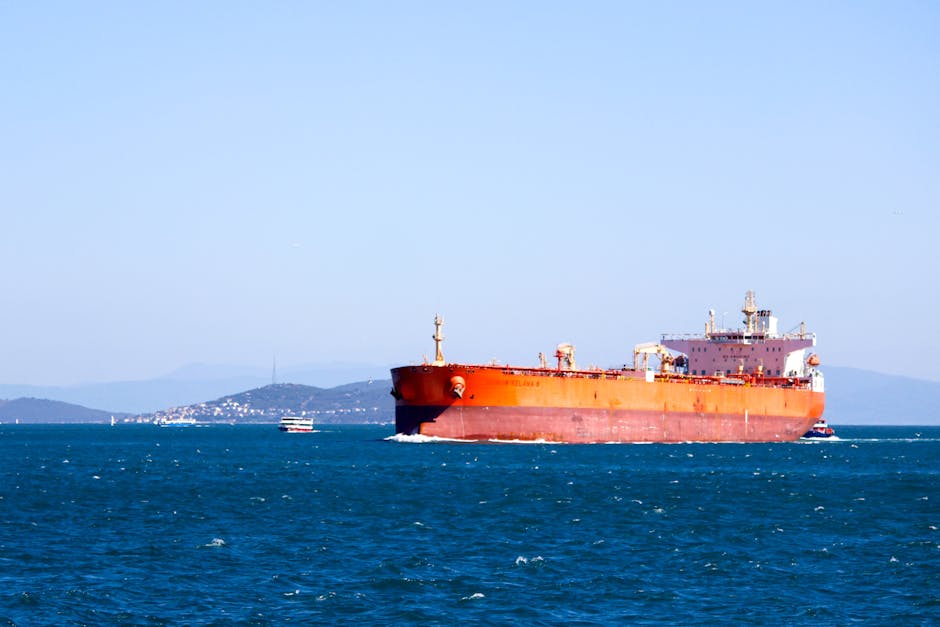
Symbolic image

NATO summit in Ankara puts Turkey at center stage

Europas VerteidigungNATOTürkei-Finanzen

The NATO summit in Ankara showcases Turkey as a key player in the alliance. Erdogan held talks with Balkan leaders, and Washington signaled it may ease the CAATSA sanctions on Ankara.+ more perspectives

The 2026 NATO summit in Ankara gave Turkey an unusually prominent stage. On the sidelines, President Erdogan held bilateral talks with several Balkan heads of state on defense cooperation and regional security. Turkey's defense ministry welcomed remarks by U.S. President Trump suggesting the United States is moving closer to lifting the CAATSA sanctions that weigh on Ankara over its purchase of Russian S-400 systems. Poland described Turkey as an important ally on the alliance's southeastern flank. The reporting here comes largely from the state-aligned Daily Sabah and paints an emphatically favorable picture of Turkey's role, which should be kept in mind when assessing it. As a host's gesture, Ankara presented the assembled leaders with engraved pistols and leather-bound books.

Daily SabahDaily SabahDaily SabahDaily Sabah

Geopolitics

New U.S.-Iran strikes cause Hormuz traffic to collapse

Hormus-Iran-KriseÖlmarktReeder und Frachtmarkt

After fresh attacks, the number of ships on the U.S.-backed Hormuz route drops sharply, many of them oil and gas tankers. Markets are growing more doubtful about the fragile ceasefire.+ more perspectives

A renewed round of strikes between the United States and Iran has caused a sharp drop in traffic through the Strait of Hormuz. BBC data show a noticeable decline in ships, many of them oil and gas tankers, using the U.S.-backed route. The shipping company Maersk announced it would resume its Middle East to U.S. East Coast connection, but via the Suez Canal, suggesting a detour around the danger zone. Nervousness is returning to financial markets: investors had previously relied on the fragile ceasefire between Washington and Tehran, but the new fighting exposes cracks in that calculation. The sources here mix Western and Turkish reporting, and a comprehensive picture of the military situation remains thin for now.

BBC NewsNew York TimesDaily Sabah

Srebrenica: Bosnia bids farewell, 30 years after the genocide

Westbalkan

In Sarajevo, Bosnia bid farewell to ten newly identified Srebrenica victims before their burial. A former Dutch defense minister regrets missed chances to prevent the enclave's fall in 1995.+ more perspectives

Ahead of the upcoming 30th anniversary of the Srebrenica genocide, Bosnia bid farewell in a moving ceremony in Sarajevo to ten newly identified victims, who were honored before their burial. In parallel, the Dutch defense minister at the time of the enclave's fall in 1995 expressed regret to BIRN over missed chances to prevent the collapse of the safe zone protected by Dutch peacekeepers. The reports connect individual remembrance with the historical and political reckoning that remains unfinished to this day. The anniversary falls at a time when, across the Western Balkans, competing versions of history and recognition of the genocide remain contested, which heightens the emotional charge of the commemoration.

Daily SabahBalkan Insight

British politics: Farage by-election and a change of power on the horizon

Europas Wirtschaft

Nigel Farage's gamble with a by-election for his seat could pit him in polls against joke candidates like Count Binface. At the same time, Britain's presumptive prime minister wants to increase pressure on Israel.+ more perspectives

Several developments are converging in British politics. Reform UK leader Nigel Farage has taken a risk by triggering a special by-election for his parliamentary seat, one that unexpectedly puts him under pressure in the polls, even to the point of running against joke candidates like Count Binface, which could point to weaknesses in his party. At the same time, the politician tipped as the future prime minister signals he wants to increase pressure on Israel, a foreign-policy accent with potentially far-reaching consequences for London's Middle East course. Both stories here come from Daily Sabah and in part reflect a particular perspective, which is why the domestic-politics reading should be treated with caution. Together they paint the picture of a country in political upheaval.

Daily SabahDaily Sabah

Australia to supply uranium to India for nuclear power

Lieferketten-Geopolitik

Australia and India have concluded an agreement on exporting Australian uranium for India's civilian nuclear power. The deal deepens the two countries' energy cooperation.+ more perspectives

Australia and India have agreed on a deal allowing the export of Australian uranium to India for use in civilian nuclear power. Australia holds some of the world's largest uranium reserves, and India, facing growing energy demand and its climate targets, needs additional fuel sources for its nuclear program. The deal deepens the energy and security rapprochement between two Indo-Pacific partners, which can also be seen as part of broader efforts to diversify supply chains and curb Chinese influence. Critical voices are likely to point to nonproliferation and environmental aspects of the uranium export, which the thin reporting so far has yet to examine closely.

Daily Sabah

Amnesty calls for war crimes investigation into Israel's Lebanon strikes

Hormus-Iran-Krise

Amnesty International demands an investigation into Israeli strikes on Lebanon as possible war crimes. The organization presented new findings on the matter.+ more perspectives

Amnesty International has called for Israeli strikes on Lebanon to be investigated as possible war crimes. The human rights organization presented findings that, in its view, suggest serious violations. Israel regularly rejects such accusations and points to its right to self-defense against Hezbollah, which is why the counter-position must be taken into account here, even though it is only briefly reflected in the available source. The demand adds to a growing number of international calls for an independent reckoning with the actions in Lebanon. With a single, Turkish state-aligned report, the range of sources is thin and one-sided, which should be kept in mind when assessing it.

Daily Sabah

Economy

Volkswagen cuts capacity and model lineup

Europas Wirtschaft

Volkswagen plans to drastically shrink its model lineup and further reduce capacity. Europe's largest carmaker is responding to a historic crisis in the industry.+ more perspectives

Volkswagen is drawing consequences from what it calls a historic crisis: Europe's largest carmaker wants to thin out its model lineup significantly and further reduce production capacity. The backdrop is the difficult transition to electric mobility, growing competitive pressure from Chinese manufacturers and weak demand in core markets. The move is likely to raise questions about plants, employment and investment, even though for now only one source is available and details such as specific sites or job numbers remain open. For the unions and the affected regions, the announcement is another signal that the transformation of the German auto industry is already in full swing.

Daily Sabah

Turkey advances de-dollarization, lira deposits at an 11-year high

Türkei-Finanzen

Finance Minister Simsek reports progress on de-dollarization: lira deposits reached an eleven-year high. Ankara reads this as a sign of growing confidence in its own currency.+ more perspectives

The Turkish government sees its de-dollarization strategy on track. Finance Minister Mehmet Simsek said the share of lira deposits had risen to an eleven-year high, which Ankara interprets as evidence of returning confidence in the domestic currency. De-dollarization is part of a broader course to stabilize the economy after years of high inflation and currency weakness. Critics are likely to object that such a trend can also be bought with high real interest rates and regulatory pressure, and that its sustainability depends on how inflation develops further. The reporting here comes from the state-aligned Daily Sabah and largely reflects the government's view, which is why the positive figures should be treated with caution.

Daily Sabah

Bank of England: rate hike still possible this year

Europas Wirtschaft

The Bank of England's chief economist considers a rate hike still possible this year. The reason is slower growth combined with persistent inflationary pressure.+ more perspectives

The Bank of England's chief economist has signaled that the British central bank could raise interest rates still this year. As justification he cited the combination of slowed growth and continuing inflationary pressure, an environment that is hard to balance in monetary policy. A rate hike would be notable because many major central banks have recently been discussing cuts instead. The statement is likely to reignite debates over stagflation risks in Britain, between those who want to fight inflation decisively and those who do not want to choke off an already weak economy. This is for now the assessment of a single central banker, not a decision by the monetary policy committee.

BBC News

EU launches negotiations on the digital euro

Europas Wirtschaft

EU lawmakers have given the green light to begin negotiations on creating a digital euro. The bloc is responding to the shift in the global currency landscape.+ more perspectives

The European Parliament approved on July 9 the launch of negotiations on introducing a digital euro. This brings plans for an EU central bank digital currency a step closer to implementation. The motive is seen as a response to shifts in the global currency landscape, such as the advance of private stablecoins and the geopolitical importance of payment infrastructure. Supporters see the digital euro as a path to greater monetary sovereignty and independence from U.S.-dominated payment systems. Critics warn of privacy questions, possible effects on commercial banks and the risk of state surveillance of payments. The concrete design, holding limits and the timetable now become the subject of the negotiations.

Daily Sabah

Technology

AI boom drives new models and multibillion-dollar deals

KI-BoomLieferketten-Geopolitik

OpenAI, Meta and others present new AI models and products, while a record wave of deals sweeps the economy. SK hynix raises 26.5 billion dollars in a U.S. listing.+ more perspectives

The AI race produced several headlines at once on July 9. OpenAI unveiled GPT-5.6 Sol, its most powerful model to date, whose release had been delayed by U.S. government cybersecurity requirements, and at the same time launched ChatGPT Work for professional use. Meta countered with a new model of its own and announced it would invest more than 9.1 billion dollars in its first Canadian AI data center. Chipmaker SK hynix, a beneficiary of the memory boom for AI data centers, raised 26.5 billion dollars in a large U.S. listing. In parallel, the NYT reports a deal frenzy of 3.2 trillion dollars, the highest half-year figure in a decade, driven by the AI economy. Critics continue to warn of possible overheating. The range of sources is broad but at times colored by market-optimistic tones.

New York TimesNew York TimesThe GuardianDaily Sabah

Fight over AI data centers: influence operations and local resistance

KI-BoomKI-Regulierung

State actors in China, Russia and Iran are trying, according to the NYT, to inflame the U.S. debate over AI data centers. In New Zealand, local opposition is stirring against a planned large data center.+ more perspectives

Conflicts are intensifying around the expansion of AI data centers. The New York Times reports that state actors from China, Russia and Iran are trying to fuel and polarize the U.S. public debate over the technology's impact on electricity, water and the environment. In New Zealand, meanwhile, plans for a 3.5 billion NZ-dollar data center in Makarewa in the south of the country are raising residents' concerns about electricity and water consumption. Both cases show that AI's physical footprint is increasingly becoming a political and local flashpoint, both as a target of foreign disinformation and as a tangible resource conflict on the ground. With two reports, the range of sources here is comparatively thin.

New York TimesThe Guardian