
US-Iran war escalates further: second wave of strikes, naval blockade, and threat of "existential war"Amid the fighting: Iran releases US citizen held since 2024Russian missiles hit Kyiv, fires in the capitalZelensky dismisses Defense Minister Fedorov in the midst of warEpstein files: Vance concedes the government "completely botched" their releaseWildfires in Canada: Toronto briefly has the world's worst airFrance passes assisted-dying lawCuba: third nationwide power outage within a weekSouth Korea's central bank raises rates for the first time in three and a half yearsTrump announces new tariffs on BrazilOil and gas prices rise on the Middle East escalationChina's EV offensive pressures Western manufacturersNvidia advances AI robots in Japan, Hyundai takes full control of Boston DynamicsChina clears Apple Intelligence, with Alibaba and Baidu as partnersTSMC heads for record profit thanks to AI boomEU accepts improvements from Musk's platform XUS-Iran war escalates further: second wave of strikes, naval blockade, and threat of "existential war"Amid the fighting: Iran releases US citizen held since 2024Russian missiles hit Kyiv, fires in the capitalZelensky dismisses Defense Minister Fedorov in the midst of warEpstein files: Vance concedes the government "completely botched" their releaseWildfires in Canada: Toronto briefly has the world's worst airFrance passes assisted-dying lawCuba: third nationwide power outage within a weekSouth Korea's central bank raises rates for the first time in three and a half yearsTrump announces new tariffs on BrazilOil and gas prices rise on the Middle East escalationChina's EV offensive pressures Western manufacturersNvidia advances AI robots in Japan, Hyundai takes full control of Boston DynamicsChina clears Apple Intelligence, with Alibaba and Baidu as partnersTSMC heads for record profit thanks to AI boomEU accepts improvements from Musk's platform X
← Archive

The Situation · Edition 11

Saturday, 11 July 2026

The Middle East conflict is escalating again: the United States has struck targets in Iran after Iranian forces fired on a container ship in the Strait of Hormuz, just hours after a meeting between the foreign ministers of Iran and Oman on reopening the waterway. The ceasefire between Washington and Tehran, fragile since early summer, has thus been broken once more, while a fifth of the world's oil trade flows through the strait.

On other fronts, too, the geopolitical situation remains tense. Ukraine is expanding its war-fighting capacity: according to reports, a secret factory in Germany is producing AI drones for Kyiv with the involvement of the defense start-up Helsing, while Ukrainian forces reportedly attacked Russian oil tankers in the Sea of Azov to hit Moscow's supply lines. In Bosnia, thousands marked the 31st anniversary of the Srebrenica genocide, commemorating the victims with a mass burial, an event that remains politically contested on the Serbian side. In the United States, meanwhile, the Trump administration is intensifying pressure on the press: journalists at the New York Times have been served with subpoenas, which the paper regards as an attack on press freedom.

On the economic front, the VW crisis is making headlines: group chief Oliver Blume promised alternatives to plant closures, but the works council remains distrustful and wants to summon him before the workforce. In the financial markets, attention is turning to the upcoming US inflation data and to Kevin Warsh, floated as a possible Fed chair, whose interplay is shaping expectations for the July interest-rate decision.

In the technology sector, Apple sued rival OpenAI over the alleged theft of trade secrets, a sign of the intensifying race for AI supremacy. At the same time, a senior EU official announced fines against Big Tech companies for consumer protection violations, underscoring Brussels' tougher regulatory stance toward the large platforms.

ÖlmarktEuropas WirtschaftKI-RegulierungHormus-Iran-KriseChinas WirtschaftKI-Boom

Top story of the day

Geopolitics
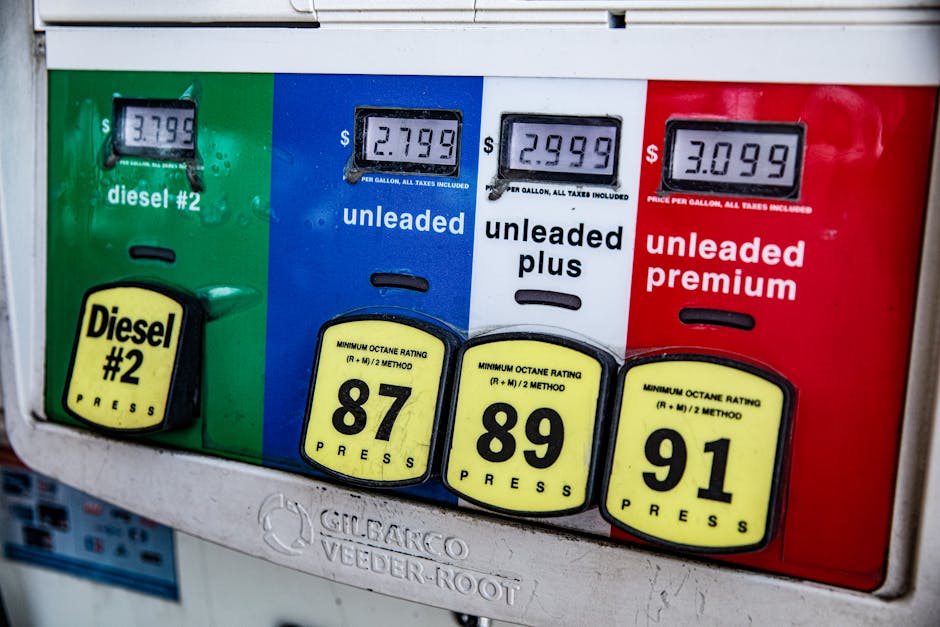
Symbolic image

US strikes Iran after Tehran fires on a ship in the Strait of Hormuz

Hormus-Iran-KriseÖlmarkt

The United States has struck targets in Iran after Iranian forces opened fire on a container ship in the Strait of Hormuz. The strike came just hours after a meeting between the foreign ministers of Iran and Oman on reopening the waterway. The fragile ceasefire in place since the early-summer war is wavering once again.+ more perspectives

After weeks of relative calm, the conflict in the Gulf is flaring up again: Iran fired on a container ship in the Strait of Hormuz, prompting US forces to respond with heavy strikes against Iranian targets. The timing is delicate, as the attack came just hours after a meeting between the foreign ministers of Iran and Oman that was precisely about reopening the strait to traffic. Washington casts the strike as a defense of commercial shipping and a response to Iranian aggression. Tehran had previously threatened repeatedly to impose fees and conditions on passage, which the United States consistently rejected. In parallel, there is dispute over earlier Israeli strikes on Iranian steel plants: Israel justified them on grounds of military utility, but the strikes also hit the civilian economy, reopening the question of what constitutes a legitimate target. The available sourcing here relies heavily on US reporting (New York Times), with scarcely any Iranian counter-account available. A great deal is at stake for the global market, as a fifth of the world's oil flows through the strait.
New York TimesNew York Times (Live)New York Times

Geopolitics

Ukraine expands war capacity: secret drone factory in Germany and attacks on Russian oil tankers

Europas VerteidigungÖlmarktUkraine-Krieg

According to reports, a secret factory in Germany is producing AI drones for Ukraine, with the involvement of the defense start-up Helsing. At the same time, Ukraine reportedly attacked Russian oil tankers in the Sea of Azov. Kyiv is thus increasingly shifting the war onto Russia's supply lines and exports.+ more perspectives

Ukraine is expanding its military capabilities on several fronts: according to corroborating reports, a secret factory in Germany is producing AI-assisted drones for the Ukrainian armed forces, with the defense start-up Helsing playing a central role. This brings European high technology directly into Ukraine's war logistics. In parallel, Ukraine reportedly attacked Russian oil tankers in the Sea of Azov, continuing its strategy of hitting Russia's energy revenues and supply lines. This approach has shown effect lately, as strikes on refineries have noticeably squeezed Russian processing capacity and triggered fuel shortages inside the country. From the Russian point of view, the tanker attacks are likely to be seen as an escalation, and independent confirmation of the damage is still pending. The reports rest in part on individual outlets (Berliner Zeitung, NYT DealBook), so details are still to be treated with caution. Against the backdrop of Putin's rejection of new peace overtures, the situation is deteriorating further.

New York Times (DealBook)Berliner ZeitungBerliner Zeitung

Bosnia commemorates the Srebrenica genocide with a mass burial on the 31st anniversary

Westbalkan

On the 31st anniversary of the Srebrenica genocide, thousands commemorated the victims in Potocari, and further identified dead were laid to rest. Turkey under President Erdogan also honored the victims. The commemoration remains politically charged, as the crime continues to be downplayed on the Serbian side.+ more perspectives

Thirty-one years after the massacre of more than 8,000 Bosniak men and boys, thousands again gathered at the Potocari memorial to commemorate the victims and to bury further recently identified dead. The mass burial shows that the reckoning is not yet complete decades after the 1995 genocide, as new remains keep being found and matched to relatives. Turkish President Erdogan honored the victims and used the occasion for a pointed message, securing Turkey influence in the Balkans. At the same time, the commemoration remains politically charged: in parts of the Bosnian Serb community and in Belgrade, the crime's character as genocide continues to be disputed, which hampers reconciliation. The reporting here stems above all from regional and Turkish sources (Balkan Insight, Daily Sabah), which emphasize the Bosniak and Turkish perspective, while a Serbian counter-voice is barely represented.

Balkan InsightDaily Sabah

Trump intensifies pressure on the press: subpoenas against New York Times journalists

Trump und die Justiz

The Trump administration has served New York Times journalists with subpoenas, escalating its pressure on the media. The Times sees this as an attack on press freedom. The move fits into a pattern of legal steps against critical reporting.+ more perspectives

The conflict between the US administration and the press is escalating further: journalists at the New York Times were served with subpoenas, sharply increasing President Trump's pressure on the media. The Times regards the move as an attempt to intimidate critical reporting and expose sources, and it vows to resist. From the administration's perspective, the aim is presumably to protect information and pursue alleged leaks, but a detailed justification so far rests on the account of the affected newspaper itself, which makes the sourcing one-sided. The move fits into a broader pattern in which the Trump justice system increasingly uses legal means against the media and critics. For press freedom in the United States, this marks a delicate escalation, as subpoenas against journalists can undermine their confidentiality toward sources.

New York Times

Economy

VW crisis comes to a head: Blume promises alternatives to plant closures, works council pushes back

Chinas WirtschaftEuropas Wirtschaft

VW chief Oliver Blume signals that there are smarter solutions than closing German plants, pointing to initial savings at the sites. The works council nonetheless wants to summon him before the workforce. The backdrop is a deep sales crisis whose roots, according to analyses, lie largely in China.+ more perspectives

In the struggle over four threatened German VW plants, group chief Oliver Blume is trying to smooth the waters: there are smarter solutions than closures, he said, and savings at the production sites are already taking effect. The works council is not satisfied with that and wants to summon Blume before the workforce to demand clarity about the future of jobs. Management and worker representatives are thus openly at odds, while the IG Metall union ramps up pressure. An analysis by the New York Times traces the group's problems largely back to China, where VW earned handsomely for years but is now losing ground to domestic electric carmakers. The crisis fits into a broader weakness in the German economy, recently underscored by an IW study on the long investment slump. It remains open whether Blume's assurances carry concrete commitments or are merely meant to buy time.

Die WeltDer SpiegelDer SpiegelNew York Times

US inflation data and Fed candidate Warsh set the tone for the July rate decision

ÖlmarktUS-Inflation

The upcoming US inflation figures and the role of Kevin Warsh, floated as Fed chair, are shaping expectations for the central bank's interest-rate decision in July. Investors are weighing easing inflation against the risks posed by the Iran tensions. The Fed is under growing political pressure.+ more perspectives

Ahead of the US central bank's July meeting, markets are focused on two factors: the new inflation data and the personnel question of Kevin Warsh, floated as a possible future Fed chair. Together, according to Bloomberg, they set the tone for the rate decision. One camp expects that easing inflation will open room for rate cuts, which would support stocks and bonds. The other camp warns that the renewed flare-up of Iran tensions could bring inflation back via higher energy prices and force the Fed to be cautious. At the same time, the central bank is under political pressure, as the debate over its leadership and independence continues. For investors, the mix remains tricky, because geopolitical risks and economic data pull in different directions. The reporting here draws above all on Bloomberg as a financial source.

Bloomberg

Technology

Apple sues OpenAI, accusing its rival of stealing trade secrets

KI-BoomKI-Regulierung

Apple has sued OpenAI, accusing the ChatGPT maker of stealing trade secrets. The dispute lays bare the escalating race between two tech giants for supremacy in artificial intelligence. Details of the allegations initially remained contested.+ more perspectives

The conflict between two of the world's most powerful tech companies is heading to court: in a lawsuit, Apple accuses OpenAI of misappropriating corporate and trade secrets. From Apple's perspective, the issue is protecting years of its own development work, all the more so since the iPhone maker set out its AI strategy late and hesitantly. OpenAI is likely to reject the allegations; a detailed counter-account had not yet been available on the day of reporting, so the sourcing so far emphasizes the plaintiff's view (Apple). Observers read the move as a symptom of an intensifying race: whoever controls the leading AI models and talent will determine the next generation of platforms. Time speaks of a race between two giants, in which legal means are increasingly becoming a tool of competition. For the industry, the question in the air is just how porous personnel and know-how really are between the major labs.

New York TimesDie Zeit

EU official announces fines against Big Tech over consumer protection violations

Europas WirtschaftKI-Regulierung

A senior EU representative has held out the prospect of fines against Big Tech companies for violations of consumer protection. Brussels is thus once again toughening its stance toward the large platforms. The announcement rests on a single source (Financial Times).+ more perspectives

The EU is tightening the regulatory screws further on the large tech platforms: according to a senior official, the companies face fines if they fail on consumer protection. This brings another instrument to the fore, alongside competition and data-protection law, with which Brussels aims to rein in the market power of the platforms. For the companies, this means additional compliance risks and potentially painful penalties. Critics from industry are likely to warn of over-regulation and locational disadvantages, while consumer advocates welcome the step. The reporting so far rests on a single source (Financial Times) and the statement of a single official; concrete proceedings or sums have not yet been named, which limits its reliability. The move fits into Brussels' broader line of controlling digital markets more strictly.

Financial Times