Montag, 27. Juli 2026
Der Nahe Osten bestimmte die Nachrichtenlage des Tages in beide Richtungen zugleich. Israels politisch-sicherheitspolitisches Kabinett billigte den Einsatz der Internationalen Stabilisierungstruppe des „Board of Peace“ in jenen Teilen Gazas, die nicht unter israelischer Militärkontrolle stehen; ein erstes Kontingent von rund 200 Kräften soll unter anderem aus Marokko und Uganda stammen, wobei Israel ein Vetorecht über die teilnehmenden Länder behält. Die Entscheidung fiel einen Tag bevor Premierminister Netanyahu nach Washington aufbrach, wo er am Dienstag Präsident Trump trifft und, wie Bloomberg berichtet, auf anhaltende Wachsamkeit gegenüber dem iranischen Atomprogramm drängen will.
Dem stand gegenüber, dass das iranische Militär vor einer Ausweitung des Krieges warnte, sollte Washington die Angriffe wieder aufnehmen; Präsident Pezeshkian bezeichnete US-Angriffe auf zivile Infrastruktur als Kriegsverbrechen, und der Oberste Führer des Iran knüpfte jede Vereinbarung mit Washington an ein Ende der israelischen Angriffe auf den Libanon. Der iranische Außenminister Abbas Araghchi erklärte, ein ukrainischer Angriff auf ein Schiff im Kaspischen Meer habe einen Seemann getötet und „könne nicht unbeantwortet bleiben“. Das maritime Embargo der Houthi gegen saudische Schifffahrt hat dazu geführt, dass Saudi-Arabien laut von The National zitierten Kpler-Daten kein Rohöl mehr über Bab al-Mandeb von seiner Westküste aus zum Export verlädt; asiatische Frachten werden über Suez umgeleitet, mit Wochen an zusätzlicher Zeit und Kosten.
Angaben der Rebellen über Treffer auf Aramco-Anlagen in Jizan und Yanbu sind weder von der saudischen Regierung noch vom Unternehmen bestätigt. Der Rohölpreis schwankte entsprechend: Er sackte nach der Feuerpause zwischen den USA und dem Iran um rund 5 Prozent ab und schnellte angesichts neuer Eskalationsängste wieder in Richtung 100 Dollar pro Barrel. In der Ukraine wurde Wolodymyr Selenskyj als erster ausländischer Staatschef vom neuen britischen Premierminister Andy Burnham empfangen, der am 20. Juli sein Amt antrat und Kiew die geistigen Eigentumsrechte am Störsender „Stone Cloak“ übergeben wird, bevor er am Dienstag selbst nach Washington reist.
Russische ballistische Raketen töteten Menschen in Kiew, Charkiw und Saporischschja, das Handelsblatt berichtete von faktisch lahmgelegten Häfen in Odessa, und Selenskyj erklärte, Russland habe Nordkorea um weitere 30.000 Soldaten gebeten – eine Zahl, die allein von ihm stammt. Andernorts griff der Krieg über: Rumänien schoss eine dritte russische Drohne ab und bestellte Moskaus Botschafter ein, Drohnenangriffe stoppten kasachische Ölexporte, und in Berlin erschoss die Polizei den 21-jährigen Tatverdächtigen eines Van-Angriffs auf die Christopher-Street-Day-Menge, bei dem eine Person getötet und mindestens 16 verletzt wurden; die Bundesanwaltschaft geht von islamistischem Terrorismus aus.
Das wirtschaftliche und technologische Bild wurde von China und der Künstlichen Intelligenz geprägt. Der DRAM-Hersteller ChangXin Memory Technologies schloss seinen Börsengang in Shanghai mit einem Plus von 466 Prozent, nachdem er 66,5 Milliarden Yuan eingesammelt hatte – Asiens größte Kapitalaufnahme dieses Jahr –, was das Unternehmen mit 3,28 Billionen Yuan bewertete und es laut Nikkei Asia kurzzeitig über Intel hob. Moonshot AI veröffentlichte die Gewichte von Kimi K3, einem Modell mit 2,8 Billionen Parametern, das laut unternehmenseigenen Benchmarks vor den stärksten geschlossenen Modellen von Anthropic und OpenAI liegt und dem Washington vorwirft, auf der Technologie von Anthropic aufzubauen – ein Vorwurf, den Peking als haltlos zurückweist.
Das Wall Street Journal berichtet, Nvidia verhandle darüber, bis zu 250 Milliarden Dollar der Finanzierung von OpenAIs Rechenzentren zu garantieren, was von keinem der beiden Unternehmen bestätigt wurde, während Bloomberg von Anlegern berichtet, die gegen das Ausmaß der KI-Investitionsausgaben aufbegehren. Die US-Notenbank eröffnet am Dienstag ihre zweite Sitzung unter Vorsitz von Kevin Warsh, wobei die Märkte gespalten sind zwischen einer fünften Zinspause bei 3,50–3,75 Prozent und einer Anhebung, angesichts einer Inflation von 3,5 Prozent und eines wieder über 100 Dollar liegenden Ölpreises; zugleich erfassen Washingtons neue Section-301-Zölle von 10 bis 12,5 Prozent inzwischen 99,4 Prozent der US-Importe und sind vor Gericht angefochten.
Die Schweiz weist die Vorwürfe der Zwangsarbeit zurück, die der gegen sie verhängten Abgabe zugrunde liegen. Katastrophen und Krankheiten liefen parallel dazu: Mehr als 300.000 Menschen wurden durch Waldbrände rund um Bordeaux und südwestlich von Madrid aus ihren Häusern vertrieben – laut Behörden Frankreichs größte Evakuierung seit dem Zweiten Weltkrieg und laut FAZ Spaniens größter Brand der jüngeren Geschichte. Taifun Noul erzwang im Süden Chinas über 340.000 Evakuierungen; die Afrikanische Entwicklungsbank bezifferte die Kosten eines bevorstehenden „Super“-El-Niño auf 10 bis 20 Milliarden Dollar; und der Ebola-Ausbruch im Kongo, verursacht durch den Bundibugyo-Stamm, für den es keinen zugelassenen Impfstoff gibt, hat 3.200 bestätigte Fälle und mindestens 1.405 Todesfälle erreicht, mit rund 1.000 hinzugekommenen Fällen in zehn Tagen.
In Indien nahm Modi am 25. Juli den Rücktritt von Bildungsminister Dharmendra Pradhan an und beendete damit einen Monat voller Jugendproteste über eine durchgesickerte Medizinstudium-Aufnahmeprüfung – nach Einschätzung von Medien der erste größere Rückzieher seiner Regierung seit 2014.
Weiterlesen ▾Weniger anzeigen ▴
Dem stand gegenüber, dass das iranische Militär vor einer Ausweitung des Krieges warnte, sollte Washington die Angriffe wieder aufnehmen; Präsident Pezeshkian bezeichnete US-Angriffe auf zivile Infrastruktur als Kriegsverbrechen, und der Oberste Führer des Iran knüpfte jede Vereinbarung mit Washington an ein Ende der israelischen Angriffe auf den Libanon. Der iranische Außenminister Abbas Araghchi erklärte, ein ukrainischer Angriff auf ein Schiff im Kaspischen Meer habe einen Seemann getötet und „könne nicht unbeantwortet bleiben“. Das maritime Embargo der Houthi gegen saudische Schifffahrt hat dazu geführt, dass Saudi-Arabien laut von The National zitierten Kpler-Daten kein Rohöl mehr über Bab al-Mandeb von seiner Westküste aus zum Export verlädt; asiatische Frachten werden über Suez umgeleitet, mit Wochen an zusätzlicher Zeit und Kosten.
Angaben der Rebellen über Treffer auf Aramco-Anlagen in Jizan und Yanbu sind weder von der saudischen Regierung noch vom Unternehmen bestätigt. Der Rohölpreis schwankte entsprechend: Er sackte nach der Feuerpause zwischen den USA und dem Iran um rund 5 Prozent ab und schnellte angesichts neuer Eskalationsängste wieder in Richtung 100 Dollar pro Barrel. In der Ukraine wurde Wolodymyr Selenskyj als erster ausländischer Staatschef vom neuen britischen Premierminister Andy Burnham empfangen, der am 20. Juli sein Amt antrat und Kiew die geistigen Eigentumsrechte am Störsender „Stone Cloak“ übergeben wird, bevor er am Dienstag selbst nach Washington reist.
Russische ballistische Raketen töteten Menschen in Kiew, Charkiw und Saporischschja, das Handelsblatt berichtete von faktisch lahmgelegten Häfen in Odessa, und Selenskyj erklärte, Russland habe Nordkorea um weitere 30.000 Soldaten gebeten – eine Zahl, die allein von ihm stammt. Andernorts griff der Krieg über: Rumänien schoss eine dritte russische Drohne ab und bestellte Moskaus Botschafter ein, Drohnenangriffe stoppten kasachische Ölexporte, und in Berlin erschoss die Polizei den 21-jährigen Tatverdächtigen eines Van-Angriffs auf die Christopher-Street-Day-Menge, bei dem eine Person getötet und mindestens 16 verletzt wurden; die Bundesanwaltschaft geht von islamistischem Terrorismus aus.
Das wirtschaftliche und technologische Bild wurde von China und der Künstlichen Intelligenz geprägt. Der DRAM-Hersteller ChangXin Memory Technologies schloss seinen Börsengang in Shanghai mit einem Plus von 466 Prozent, nachdem er 66,5 Milliarden Yuan eingesammelt hatte – Asiens größte Kapitalaufnahme dieses Jahr –, was das Unternehmen mit 3,28 Billionen Yuan bewertete und es laut Nikkei Asia kurzzeitig über Intel hob. Moonshot AI veröffentlichte die Gewichte von Kimi K3, einem Modell mit 2,8 Billionen Parametern, das laut unternehmenseigenen Benchmarks vor den stärksten geschlossenen Modellen von Anthropic und OpenAI liegt und dem Washington vorwirft, auf der Technologie von Anthropic aufzubauen – ein Vorwurf, den Peking als haltlos zurückweist.
Das Wall Street Journal berichtet, Nvidia verhandle darüber, bis zu 250 Milliarden Dollar der Finanzierung von OpenAIs Rechenzentren zu garantieren, was von keinem der beiden Unternehmen bestätigt wurde, während Bloomberg von Anlegern berichtet, die gegen das Ausmaß der KI-Investitionsausgaben aufbegehren. Die US-Notenbank eröffnet am Dienstag ihre zweite Sitzung unter Vorsitz von Kevin Warsh, wobei die Märkte gespalten sind zwischen einer fünften Zinspause bei 3,50–3,75 Prozent und einer Anhebung, angesichts einer Inflation von 3,5 Prozent und eines wieder über 100 Dollar liegenden Ölpreises; zugleich erfassen Washingtons neue Section-301-Zölle von 10 bis 12,5 Prozent inzwischen 99,4 Prozent der US-Importe und sind vor Gericht angefochten.
Die Schweiz weist die Vorwürfe der Zwangsarbeit zurück, die der gegen sie verhängten Abgabe zugrunde liegen. Katastrophen und Krankheiten liefen parallel dazu: Mehr als 300.000 Menschen wurden durch Waldbrände rund um Bordeaux und südwestlich von Madrid aus ihren Häusern vertrieben – laut Behörden Frankreichs größte Evakuierung seit dem Zweiten Weltkrieg und laut FAZ Spaniens größter Brand der jüngeren Geschichte. Taifun Noul erzwang im Süden Chinas über 340.000 Evakuierungen; die Afrikanische Entwicklungsbank bezifferte die Kosten eines bevorstehenden „Super“-El-Niño auf 10 bis 20 Milliarden Dollar; und der Ebola-Ausbruch im Kongo, verursacht durch den Bundibugyo-Stamm, für den es keinen zugelassenen Impfstoff gibt, hat 3.200 bestätigte Fälle und mindestens 1.405 Todesfälle erreicht, mit rund 1.000 hinzugekommenen Fällen in zehn Tagen.
In Indien nahm Modi am 25. Juli den Rücktritt von Bildungsminister Dharmendra Pradhan an und beendete damit einen Monat voller Jugendproteste über eine durchgesickerte Medizinstudium-Aufnahmeprüfung – nach Einschätzung von Medien der erste größere Rückzieher seiner Regierung seit 2014.
Wichtig heute

Waldbrände in Frankreich und Spanien treiben Hunderttausende aus ihren Häusern

Moonshot veröffentlicht Kimi K3, das bislang größte KI-Modell mit offenen Gewichten

Israel genehmigt Einsatz internationaler Stabilisierungstruppe in Gaza

Chinesischer Speicherhersteller CXMT schießt bei Debüt in Shanghai nach 9,8-Milliarden-Dollar-Börsengang um rund 470% nach oben

Ebola-Ausbruch in Kongo überschreitet 3.200 Fälle und 1.405 Todesopfer
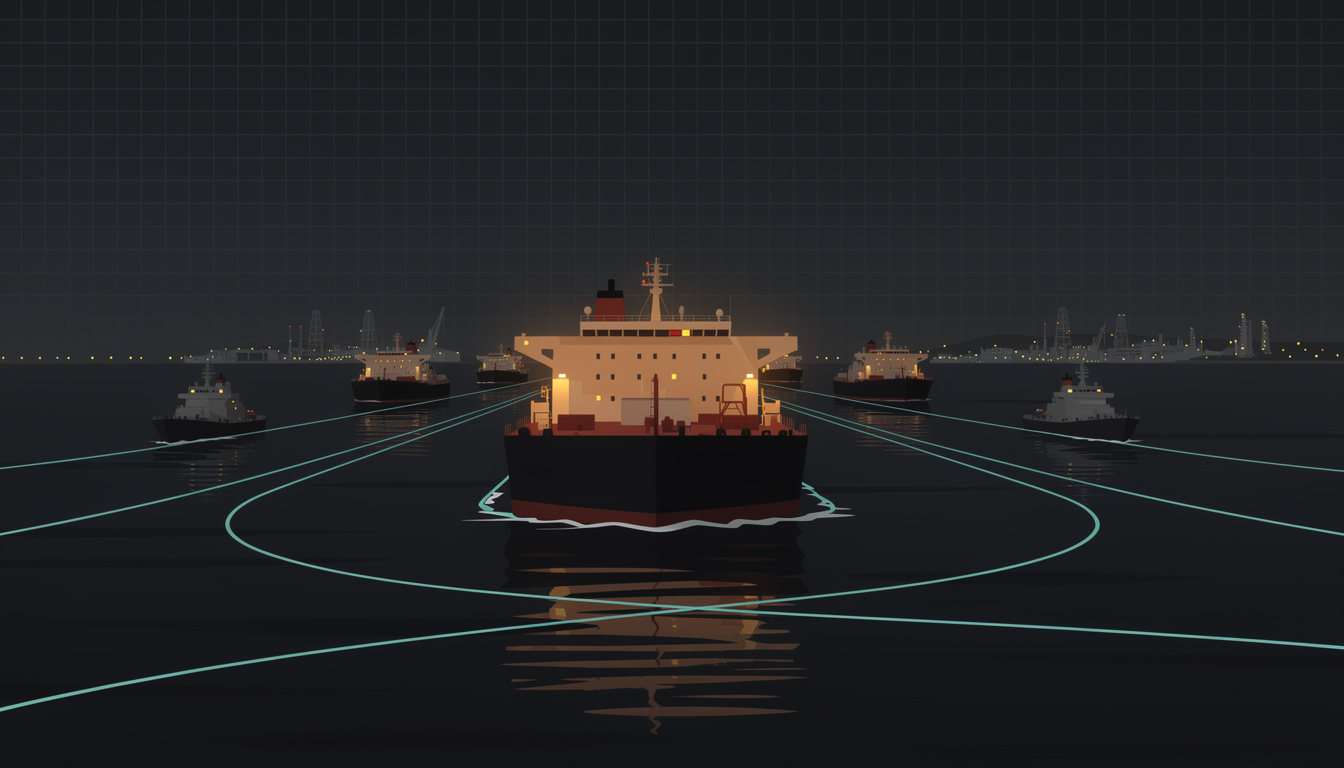
Öl- und Weltmärkte schwanken stark rund um die Feuerpause im US-Iran-Konflikt

Nvidia soll Berichten zufolge über eine Bürgschaft für Rechenzentrums-Finanzierungen von OpenAI in Höhe von 250 Milliarden Dollar verhandeln

US-Zollmauer weitet sich auf die Schweiz und Mexiko aus, während Section-301-Zölle vor Gericht angefochten werden

Selenskyj ist Burnhams erster ausländischer Gast, vor den Gesprächen in Washington

Indiens Bildungsminister tritt nach monatelangen Jugendprotesten zurück
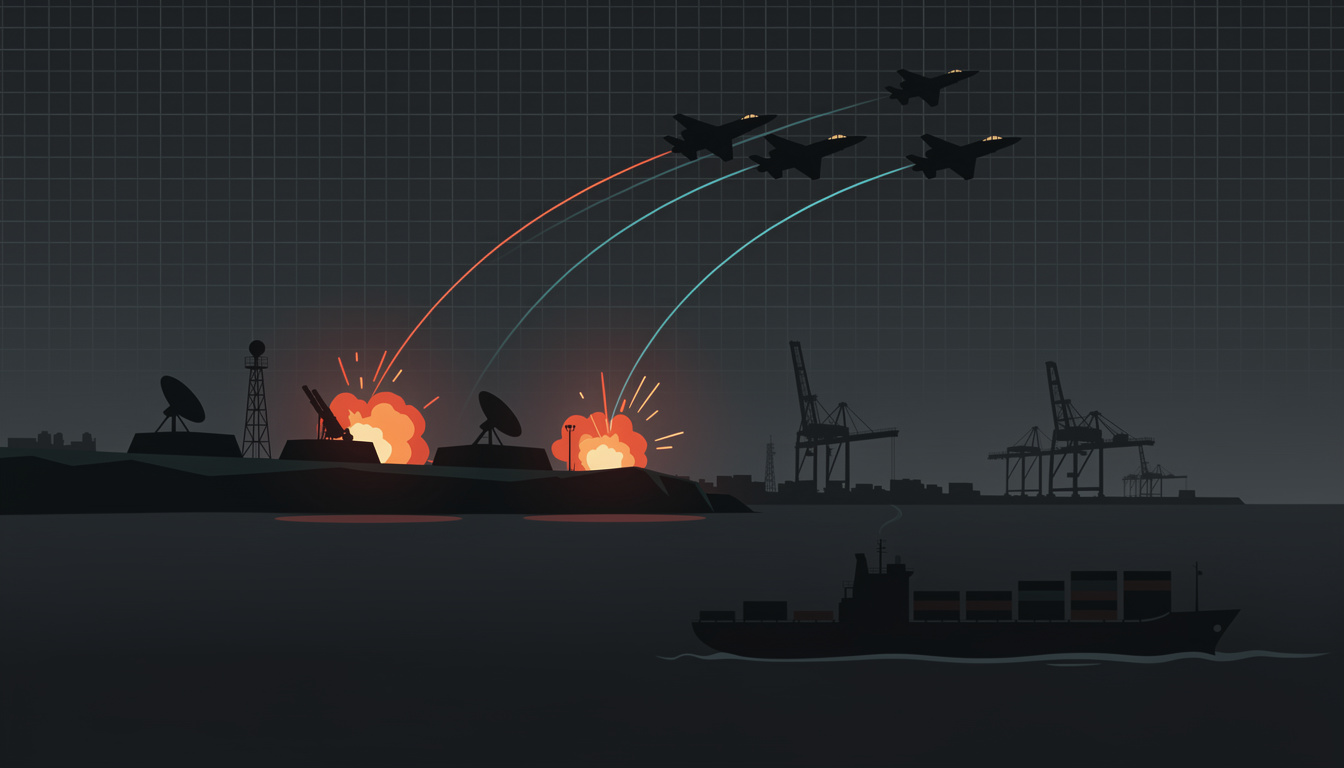
Huthi-Blockade stoppt saudische Ölexporte durch Bab al-Mandab; Rohöl wird über Suez umgeleitet
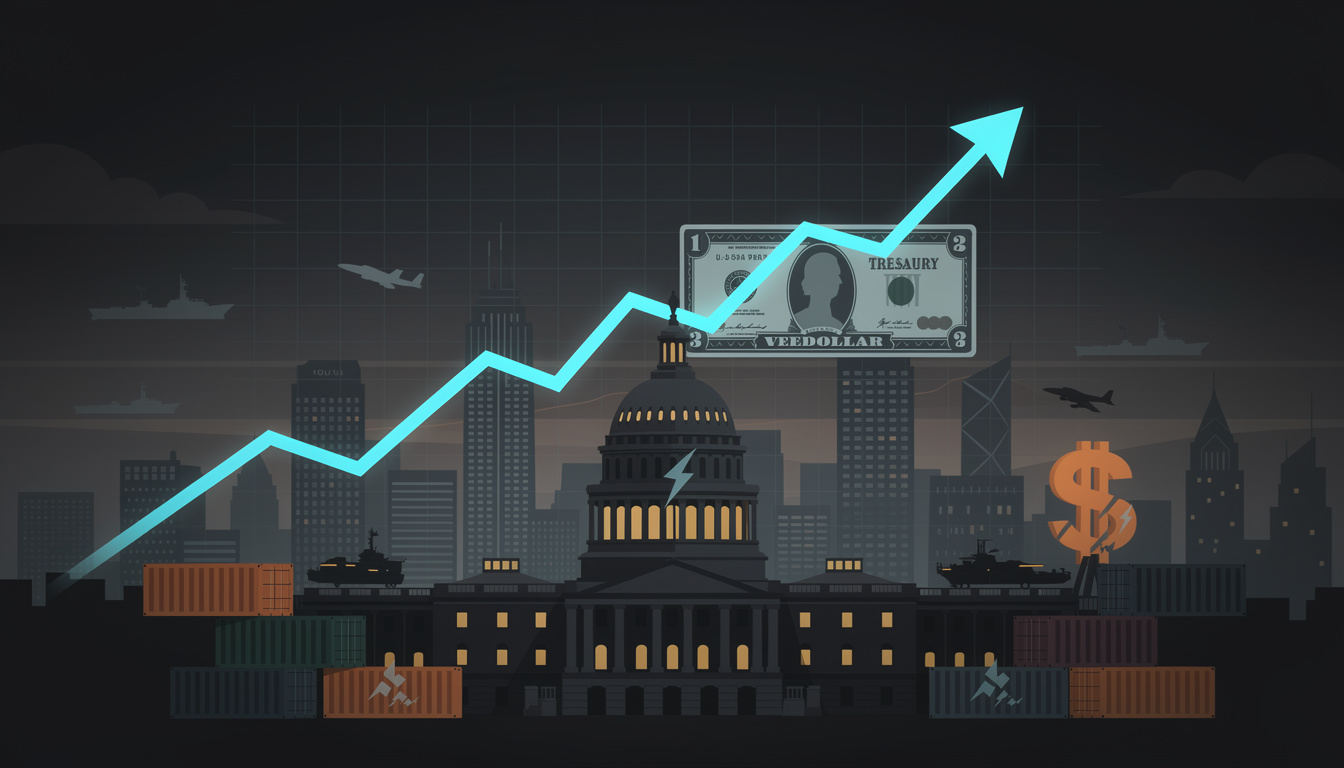
Fed eröffnet zweites Treffen unter Warsh, Märkte gespalten zwischen Halten und Anheben
Alle Meldungen
Global · 5
- Moonshot veröffentlicht Kimi K3, das bislang größte KI-Modell mit offenen Gewichten
- Öl- und Weltmärkte schwanken stark rund um die Feuerpause im US-Iran-Konflikt
- US-Zollmauer weitet sich auf die Schweiz und Mexiko aus, während Section-301-Zölle vor Gericht angefochten werden
- Fed eröffnet zweites Treffen unter Warsh, Märkte gespalten zwischen Halten und Anheben
- Debatte über KI-Angriff auf Hugging Face hält an
Europa · 9
- Waldbrände in Frankreich und Spanien treiben Hunderttausende aus ihren Häusern
- Selenskyj ist Burnhams erster ausländischer Gast, vor den Gesprächen in Washington
- Raketen- und Drohnenangriffe fordern Zivilisten in der Ukraine und russischen Grenzregionen
- Selenskyj: Russland hat Nordkorea um 30.000 weitere Soldaten gebeten
- Verdächtiger nach Van-Attacke bei Berliner Pride von Polizei erschossen
- Russische Angriffe legen Hafenbetrieb von Odessa lahm, beschädigtes Schiff sinkt
- Rumänien schießt dritte russische Drohne ab und bestellt Moskaus Botschafter ein
- China setzt polnische Universität auf Exportverbotsliste für Dual-Use-Güter
- BDI: Deutsche Industrie verliert monatlich 15.000 Arbeitsplätze
Naher Osten · 11
- Israel genehmigt Einsatz internationaler Stabilisierungstruppe in Gaza
- Huthi-Blockade stoppt saudische Ölexporte durch Bab al-Mandab; Rohöl wird über Suez umgeleitet
- Iran und Oman melden Fortschritte bei Gesprächen über Schiffsverkehr in der Straße von Hormus
- Syriens Al-Scharaa strebt Sicherheitsabkommen mit Israel an, begrüßt US-Sanktionsschritt
- Israelische Siedler stecken Moscheen im Westjordanland nach tödlichem Zusammenstoß bei Nablus in Brand
- Iran kündigt Reaktion nach ukrainischem Angriff auf Schiff im Kaspischen Meer an
- Iran droht mit Ausweitung des Krieges, sollten die USA erneut angreifen
- Trump treibt Atomdeal mit Saudi-Arabien voran, Kritiker warnen vor Proliferation
- Khamenei knüpft jedes US-Abkommen an ein Ende der israelischen Angriffe auf Libanon
- Israelische Truppen dringen einen Tag nach UN-Kritik in den Süden Syriens ein
- Netanyahu will Trump zu Wachsamkeit gegenüber Iran drängen
Asien · 12
- Chinesischer Speicherhersteller CXMT schießt bei Debüt in Shanghai nach 9,8-Milliarden-Dollar-Börsengang um rund 470% nach oben
- Indiens Bildungsminister tritt nach monatelangen Jugendprotesten zurück
- Samsung und SK Hynix schließen Speicherchip-Deals mit US-Techkonzernen über 950 Milliarden Dollar
- China setzt auf KI, Robotik und neue Medikamente als nächste Wachstumsbranchen
- USA, Japan und Philippinen halten Manöver im Südchinesischen Meer ab, China reagiert
- Chinesische Universität untersucht Tod eines Mädchens nach Genschere-Therapie
- Gouverneur der Bank Indonesia, Perry Warjiyo, tritt überraschend zurück
- Taifun Noul erreicht Chinas Südküste
- Nord- und Südkorea wetteifern um atomgetriebene U-Boote
- Yen auf Mehrjahrzehnttief befeuert Spekulationen auf frühere BOJ-Zinserhöhung
- Drohnenangriffe legen kasachische Ölexporte lahm
- Japan verfolgt gemeinsame chinesisch-russische Marinepatrouille
Nordamerika · 5
- Nvidia soll Berichten zufolge über eine Bürgschaft für Rechenzentrums-Finanzierungen von OpenAI in Höhe von 250 Milliarden Dollar verhandeln
- Big-Tech-Quartalszahlen treffen auf Investorenrevolte wegen KI-Ausgaben
- Kraftwerksausfall lässt 70 Prozent Kubas im Dunkeln
- US-Reform der Lebensmittelmarken beginnt Leistungen zu kürzen
- Pentagon revidiert Opferzahlen des Iran-Kriegs
Afrika · 4
- Ebola-Ausbruch in Kongo überschreitet 3.200 Fälle und 1.405 Todesopfer
- Afrikanische Entwicklungsbank beziffert Kosten eines nahenden 'Super-El-Niño' auf 10-20 Milliarden Dollar
- Separatistenbündnis mit Al-Qaida verschiebt Machtverhältnisse in Nordmali
- Sudans Armee erobert Stadt in Kordofan nahe dem belagerten Al-Obeid
Südamerika · 3
Geopolitik · 31
- Waldbrände in Frankreich und Spanien treiben Hunderttausende aus ihren Häusern
- Israel genehmigt Einsatz internationaler Stabilisierungstruppe in Gaza
- Ebola-Ausbruch in Kongo überschreitet 3.200 Fälle und 1.405 Todesopfer
- Selenskyj ist Burnhams erster ausländischer Gast, vor den Gesprächen in Washington
- Indiens Bildungsminister tritt nach monatelangen Jugendprotesten zurück
- Huthi-Blockade stoppt saudische Ölexporte durch Bab al-Mandab; Rohöl wird über Suez umgeleitet
- Iran und Oman melden Fortschritte bei Gesprächen über Schiffsverkehr in der Straße von Hormus
- Raketen- und Drohnenangriffe fordern Zivilisten in der Ukraine und russischen Grenzregionen
- Syriens Al-Scharaa strebt Sicherheitsabkommen mit Israel an, begrüßt US-Sanktionsschritt
- Selenskyj: Russland hat Nordkorea um 30.000 weitere Soldaten gebeten
- Verdächtiger nach Van-Attacke bei Berliner Pride von Polizei erschossen
- Israelische Siedler stecken Moscheen im Westjordanland nach tödlichem Zusammenstoß bei Nablus in Brand
- Iran kündigt Reaktion nach ukrainischem Angriff auf Schiff im Kaspischen Meer an
- USA, Japan und Philippinen halten Manöver im Südchinesischen Meer ab, China reagiert
- Iran droht mit Ausweitung des Krieges, sollten die USA erneut angreifen
- Russische Angriffe legen Hafenbetrieb von Odessa lahm, beschädigtes Schiff sinkt
- Trump treibt Atomdeal mit Saudi-Arabien voran, Kritiker warnen vor Proliferation
- Rumänien schießt dritte russische Drohne ab und bestellt Moskaus Botschafter ein
- Brasilien beruft Botschafter in Argentinien ab, nachdem Milei Lula attackiert hat
- Separatistenbündnis mit Al-Qaida verschiebt Machtverhältnisse in Nordmali
- Khamenei knüpft jedes US-Abkommen an ein Ende der israelischen Angriffe auf Libanon
- Israelische Truppen dringen einen Tag nach UN-Kritik in den Süden Syriens ein
- China setzt polnische Universität auf Exportverbotsliste für Dual-Use-Güter
- Taifun Noul erreicht Chinas Südküste
- Nord- und Südkorea wetteifern um atomgetriebene U-Boote
- Sudans Armee erobert Stadt in Kordofan nahe dem belagerten Al-Obeid
- Japan verfolgt gemeinsame chinesisch-russische Marinepatrouille
- Kraftwerksausfall lässt 70 Prozent Kubas im Dunkeln
- Machado lehnt von den USA unterstützte Gespräche mit der Regierung Rodríguez ab
- Netanyahu will Trump zu Wachsamkeit gegenüber Iran drängen
- Pentagon revidiert Opferzahlen des Iran-Kriegs
Wirtschaft · 13
- Chinesischer Speicherhersteller CXMT schießt bei Debüt in Shanghai nach 9,8-Milliarden-Dollar-Börsengang um rund 470% nach oben
- Öl- und Weltmärkte schwanken stark rund um die Feuerpause im US-Iran-Konflikt
- US-Zollmauer weitet sich auf die Schweiz und Mexiko aus, während Section-301-Zölle vor Gericht angefochten werden
- Fed eröffnet zweites Treffen unter Warsh, Märkte gespalten zwischen Halten und Anheben
- Afrikanische Entwicklungsbank beziffert Kosten eines nahenden 'Super-El-Niño' auf 10-20 Milliarden Dollar
- Samsung und SK Hynix schließen Speicherchip-Deals mit US-Techkonzernen über 950 Milliarden Dollar
- Big-Tech-Quartalszahlen treffen auf Investorenrevolte wegen KI-Ausgaben
- Gouverneur der Bank Indonesia, Perry Warjiyo, tritt überraschend zurück
- Yen auf Mehrjahrzehnttief befeuert Spekulationen auf frühere BOJ-Zinserhöhung
- Drohnenangriffe legen kasachische Ölexporte lahm
- BDI: Deutsche Industrie verliert monatlich 15.000 Arbeitsplätze
- US-Reform der Lebensmittelmarken beginnt Leistungen zu kürzen
- Tödlicher Sturm in Chile beeinträchtigt Kupferförderung
Technologie · 5
- Moonshot veröffentlicht Kimi K3, das bislang größte KI-Modell mit offenen Gewichten
- Nvidia soll Berichten zufolge über eine Bürgschaft für Rechenzentrums-Finanzierungen von OpenAI in Höhe von 250 Milliarden Dollar verhandeln
- China setzt auf KI, Robotik und neue Medikamente als nächste Wachstumsbranchen
- Chinesische Universität untersucht Tod eines Mädchens nach Genschere-Therapie
- Debatte über KI-Angriff auf Hugging Face hält an