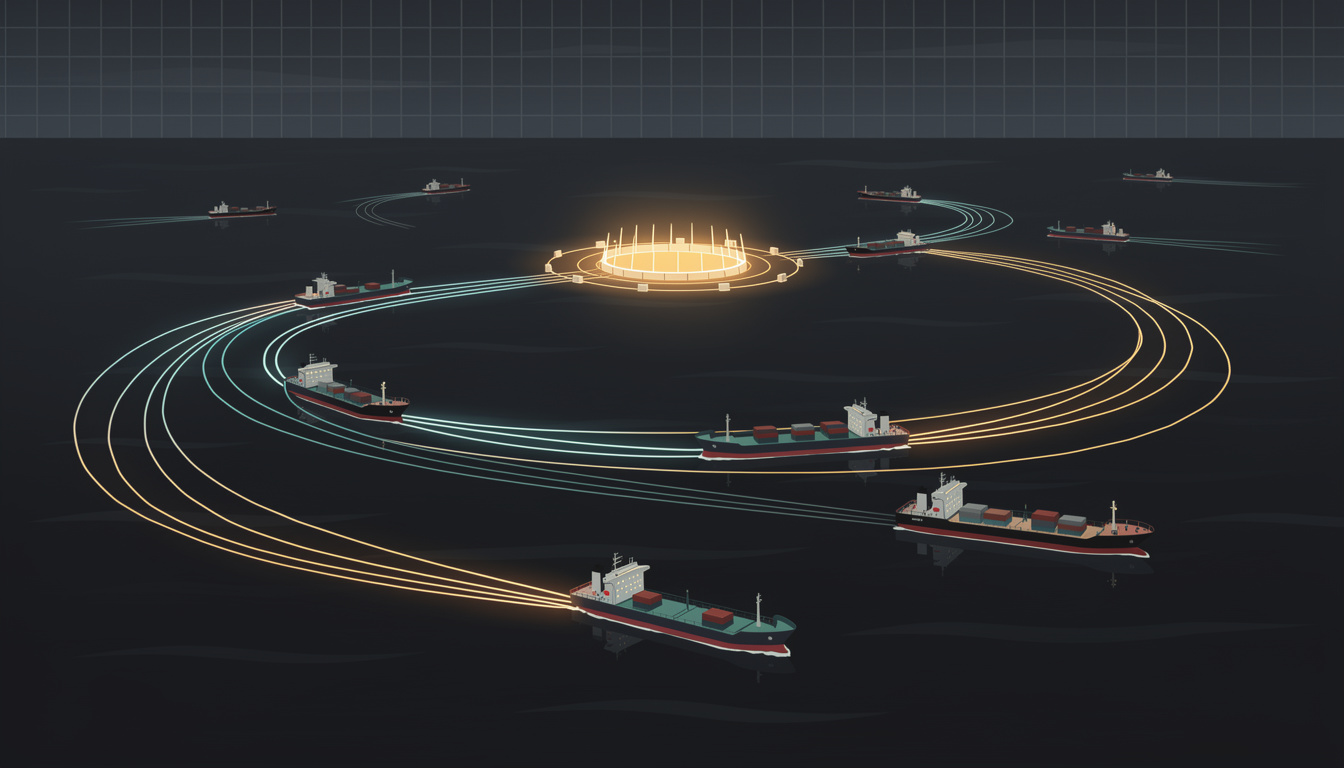
 Symbolic image
Iran lists conditions for reopening Hormuz as Oman talks continue
Iran's Supreme National Security Council said on Saturday the Strait of Hormuz stays shut until the United States "corrects its behaviour". Tehran said a day later that a deal is close but not enough to reopen the waterway.
What happened
- The council's secretary Mohammad Bagher Zolghadr, an IRGC commander, published the list through Iran's state broadcaster.
- It demands an end to the war, lifting of the naval blockade and sanctions, US withdrawal, compensation and release of frozen assets.
- Foreign Minister Abbas Araghchi said the sides are near agreement on navigation, "specifically the determination of a transit route".
- Oman, the mediator, called the discussions "positive and constructive" and condemned attacks on ships in the strait.
- The UAE said Iran fired a missile at an Adnoc-owned vessel in the strait; Gulf states condemned the attack.
The view from outside
Outlets outside the conflict parties read the same day less as a rupture: Kosovo's Koha headlines Oman's assessment that the talks are going well, and the Guardian notes that the 60-day window set by the June memorandum ends in just over a week but can be extended.
The Guardian adds that ship transits through the strait remain low.
What could happen next
- Transit tolls stay unresolved: Washington rejects them, while the June deal lets Iran and Oman arrange the strait's "future administration".
- Iran and Oman are still negotiating a separate agreement on managing the waterway.
- There was no immediate US comment on the council's list, according to the Guardian.
- Whether the negotiating window is extended when it expires next week is open.
Iran: The strait opens only once Washington meets its conditions and abandons what the IRGC calls an interventionist approach, and the IRGC says reopening does not depend on the Oman track.
United States: Washington wants an acceptable strait deal before ending its naval blockade and opposes Iranian tolls; Vice President Vance says the US is "in the middle of the game".
Also involved