
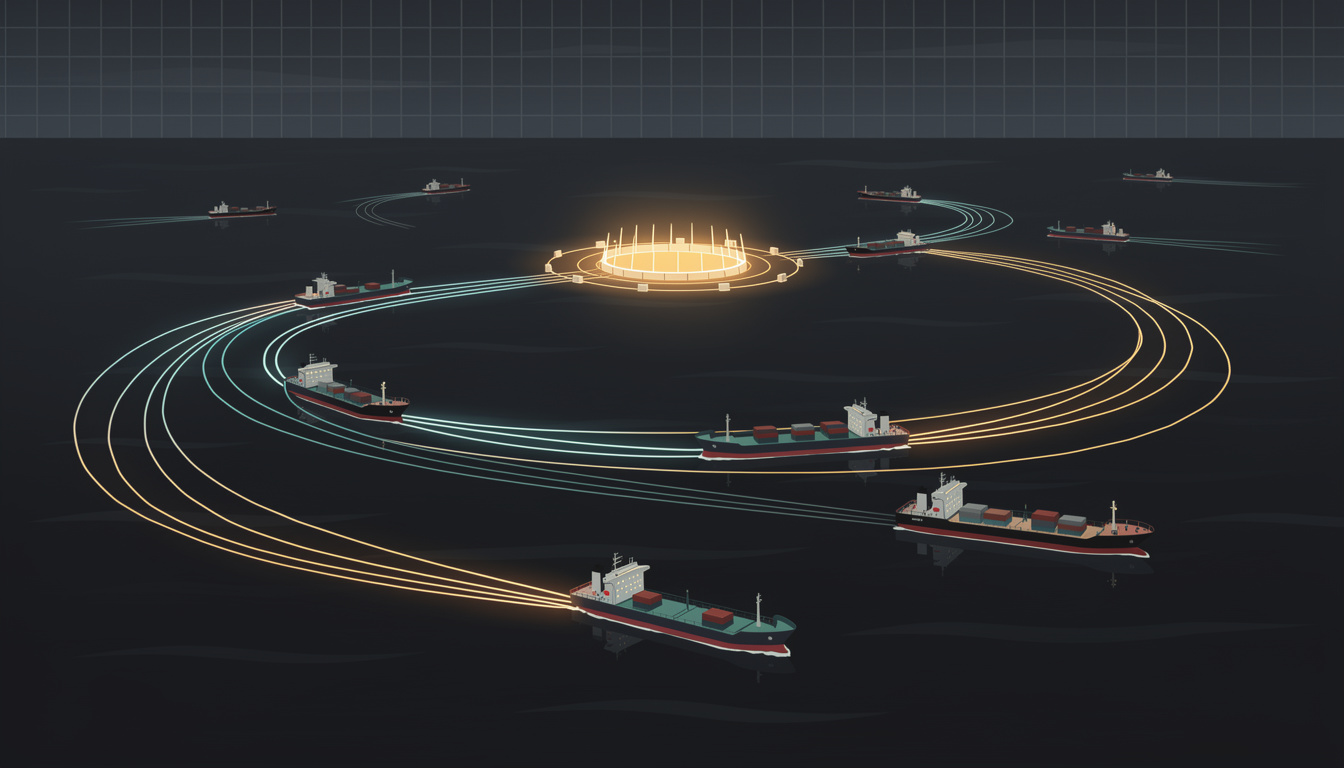
 Image symbolique
Les pétroliers contournent le détroit d'Ormuz, alors que l'Iran affirme que l'accord avec Oman seul ne rouvrira pas le détroit
Le Commandement central des États-Unis (CENTCOM) indique que 35 navires commerciaux ont été déroutés au niveau du détroit d'Ormuz bloqué, à la date de dimanche. Le ministère iranien des Affaires étrangères affirme qu'un accord sur une route avec Oman ne suffira pas, à lui seul, à rouvrir la voie navigable.
Ce qui s'est passé
- Le CENTCOM a indiqué lundi 3 août avoir également neutralisé deux navires commerciaux et en avoir arraisonné deux autres pendant le blocus.
- Les exportations des Émirats arabes unis via le détroit ont chuté de près de 53 % en juillet, à 950 000 barils par jour, contre 2,01 millions en juin.
- Les traversées de navires se sont établies en moyenne à 18,7 par jour en juillet, contre 24,7 en juin, selon les données de la société Kpler.
- Les chargements combinés des huit exportateurs du Golfe ont atteint en moyenne 4 millions de barils par jour en juillet, contre 19 à 20 millions avant la guerre.
- L'OPEP+ a convenu dimanche de relever à nouveau les quotas de production de septembre de 188 000 barils par jour supplémentaires.
Le regard extérieur
Le quotidien allemand FAZ relève que l'approvisionnement physique en carburant en Europe a tenu bon malgré un avertissement de l'AIE en avril selon lequel les stocks de kérosène ne dureraient qu'environ six semaines ; la Slovénie fait figure d'exception avec des volumes de vente plafonnés par l'État, visant à limiter le tourisme transfrontalier à la pompe.
Ce qui pourrait se passer ensuite
- Trump a déclaré que des discussions entre les États-Unis et l'Iran sur un accord de paix débuteraient lundi, et que tout accord devrait inclure la réouverture immédiate du détroit.
- On ignore si l'accord sur la route entre l'Iran et Oman est réellement conclu, et qui garantirait un passage sûr à travers le détroit.
- Les hausses de production de l'OPEP+ restent largement théoriques : l'Arabie saoudite a pompé 7,34 millions de barils par jour en juin, soit près de 3 millions de moins que son quota.
- Le FAZ se demande si des pénuries d'approvisionnement aiguës pourraient tout de même frapper l'Europe dans les prochains mois.
Iran: Tehran says the strait is closed because of US and Israeli aggression, not any dispute with Muscat, and calls a route deal necessary but not sufficient.
United States: Washington keeps its naval blockade of Iranian ports running and says a peace agreement must include the immediate reopening of the strait and the end of Iran's nuclear programme.
Également impliqués