 Symbolic image
US and Iran exchange messages as Trump repeats threat to strike Pickaxe Mountain
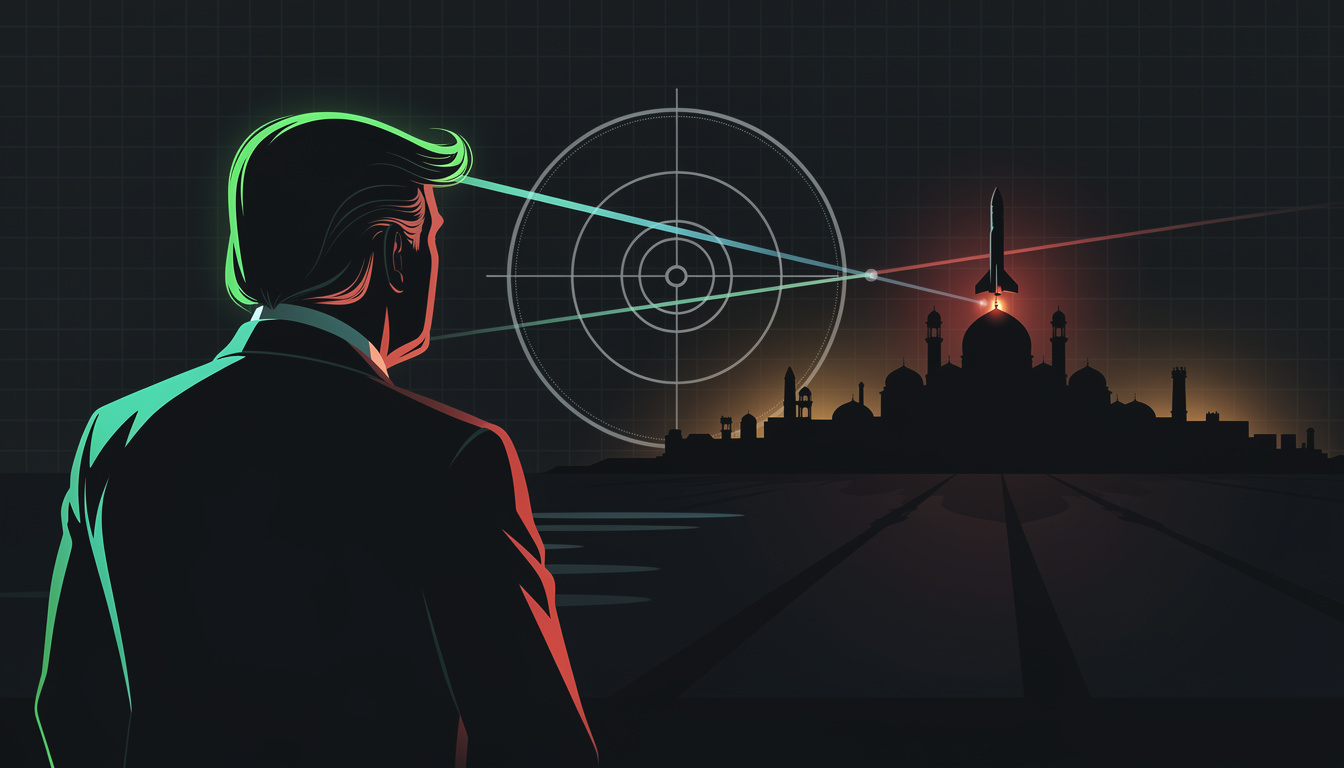
The exchange of strikes between the United States and Iran has been suspended since 24 July, and both sides confirm that messages are being passed, mostly through Oman and Pakistan. Iran's deputy foreign minister says Washington asked for talks first and promised to stop attacking; Trump calls the contacts good but says he will hit the Pickaxe Mountain nuclear site if there is no deal.
What happened
The current round of the conflict began on 8 July, when US forces struck Iran several times in what Washington presented as a response to an attack on a merchant ship in the Strait of Hormuz, and Trump declared the earlier ceasefire over, according to TASS. Iran answered by attacking US facilities in Bahrain, Jordan, Qatar, Kuwait, the UAE and Oman; the two sides stopped exchanging strikes on 24 July, more than two weeks after the conflict began. Iranian Deputy Foreign Minister Kazem Gharibabadi said on Iranian state television that the Americans approached Tehran with a proposal for negotiations and sent word through Oman that they would take no further military action, adding that Iran had made no requests and was ready to keep trading strikes. Iranian Foreign Ministry spokesman Esmaeil Baghaei said on Monday that Iran is receiving US messages while no direct or indirect talks are under way, whereas Trump said the two countries were talking right now. On Fox and Friends on Tuesday Trump said there had been very good talks, then repeated that the US would take out Pickaxe Mountain, a fortified underground site linked to Iran's nuclear programme, and named bridges and power plants as further targets he would prefer to spare. Trump was due to meet Israeli Prime Minister Netanyahu at the White House the same day.
A Pakistani source told The National that the message exchange now centres on the Strait of Hormuz and the Red Sea, where the Houthis have declared a blockade, and that Iran wants the oil sales and sanctions relief promised in June's interim deal in return.
The view from outside
The National, from the UAE, treats the Gulf and Red Sea shipping lanes as the core of the dispute and reports Bab al-Mandeb traffic down 56 percent since the Houthi embargo on Saudi Arabia, with Pakistan drawn in through its mutual defence pact with Riyadh. Turkey's Daily Sabah presents Trump's remarks as a threat repeated alongside a claim of progress. TASS foregrounds the Iranian account that Washington asked for the pause.
What could happen next
The pause is now in its first week without either side calling it a ceasefire, and the Iranian account that the United States asked for it first gives Tehran a public case for taking its time; the New York Times reports that Iran's leaders believe they can absorb more pain than Trump can and hold leverage over the Strait of Hormuz. The Pakistani source describes a slow relay in which each message travels to the supreme leader's office and back. Next steps depend on whether the message channel produces terms on shipping attacks and sanctions relief before Trump acts on the Pickaxe threat.
United States: Trump says the talks are going well but insists Iran must accept a deal or see Pickaxe Mountain and other infrastructure destroyed.
Iran: Tehran says Washington asked for the halt and for negotiations, denies formal talks are under way, and signals it can outlast the pressure.
Also involved