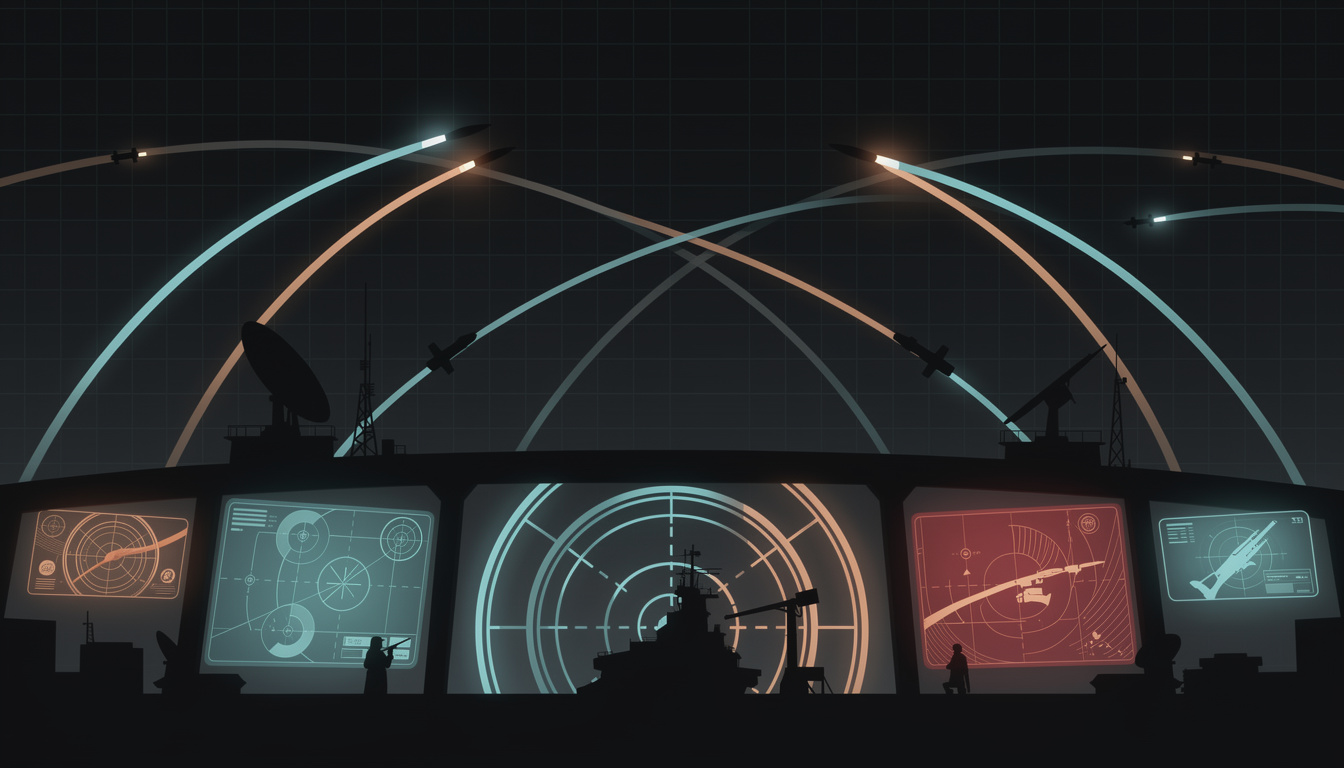
 Символическое изображение
Трамп отменил серию ударов по Ирану, сославшись на контуры сделки
Президент США Дональд Трамп заявил в субботу, что отменил запланированный крупный удар по Ирану, отметив, что Тегеран и другие ближневосточные государства согласовали «контуры сделки». Он назвал два условия: полное открытие Ормузского пролива и прекращение ядерной угрозы со стороны Ирана.
Что произошло
- В пятницу, 31 июля, CBS News сообщил, что США и Израиль готовят удары по энергетической инфраструктуре Ирана, возможно, в течение выходных.
- В тот же день в Кэмп-Дэвиде Трамп заявил: «Мы нанесём по ним очень сильный удар»; CBS и Axios сообщили, что окончательный приказ о выполнении операции не был отдан.
- Война вступила в свой 155-й день в субботу, 1 августа, сообщает The American Conservative.
- UKMTO сообщил о взрыве вблизи танкера у берегов Омана в субботу утром; армия Кувейта заявила, что перехватила иранские беспилотники.
- Нефть марки Brent закрылась в пятницу чуть ниже $88 за баррель; по данным AAA, средняя цена бензина в США составила $4,10 за галлон.
Взгляд со стороны
FAZ сообщает, что министры иностранных дел Ирана и Саудовской Аравии провели переговоры в момент распространения информации о плане ударов — канал коммуникации, почти не освещавшийся в американских СМИ; Bloomberg со ссылкой на Axios сообщает об обеспокоенности Саудовской Аравии самим этим планом.
Что может произойти дальше
- Текст соглашения не опубликован; Трамп поставил прекращение операции в зависимость от быстрого заключения сделки.
- Была ли когда-либо привержена этому Израиль, остаётся спорным: израильский чиновник заявил CBS, что ему неизвестно о решении возобновить операции.
- Возобновление судоходства через пролив не подтверждено; по данным New York Times, по состоянию на субботу он оставался закрытым.
- В Конгрессе законодатели от обеих партий настаивают на прекращении операции, включая законопроект о лишении кампании финансирования, сообщает Tehran Times.
United States: Trump says the military is ready but he cancelled the attack to allow a rapid deal; the White House accuses Tehran of breaking last month's memorandum.
Iran: Tehran warns it will respond decisively to any new aggression and threatens to close Hormuz and other trade chokepoints more tightly if the war continues.
Также причастны