中国对14家欧洲企业实施稀土出口禁令
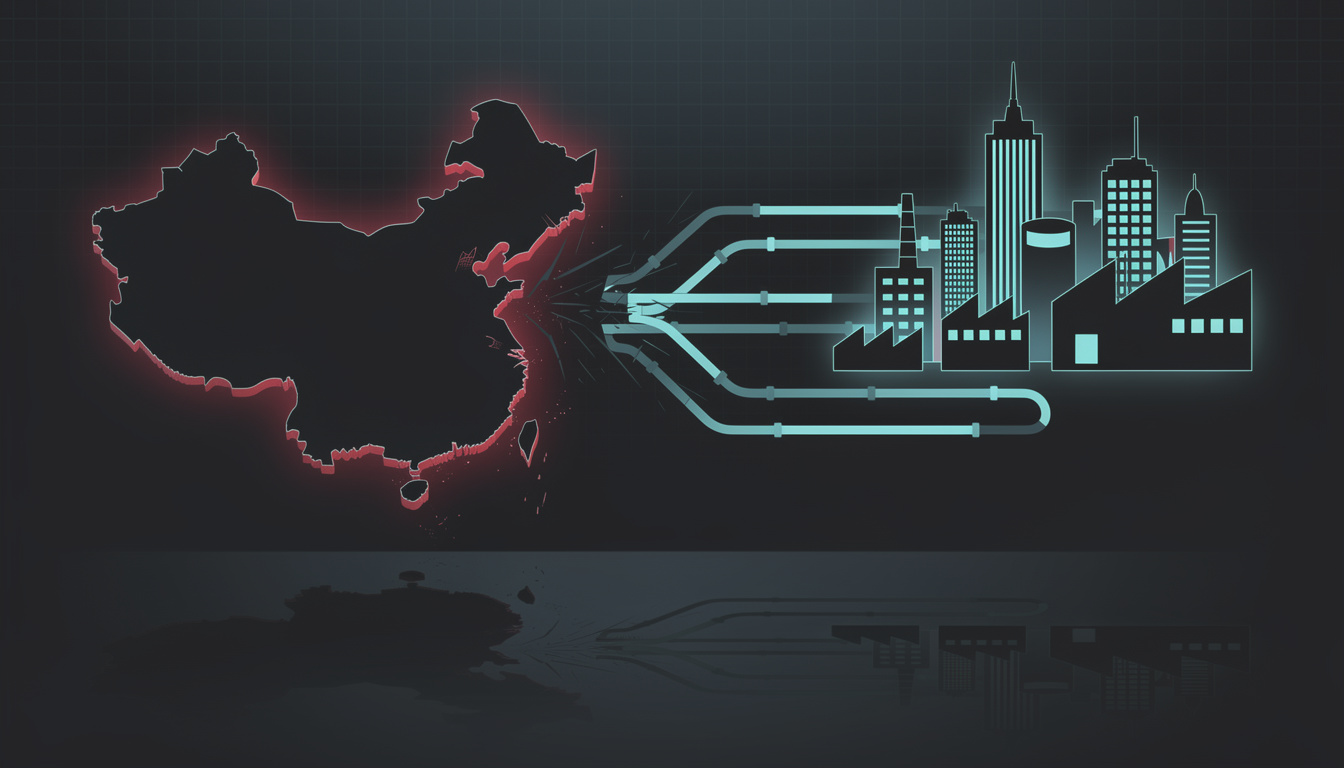
据《纽约时报》2026年7月24日的报道,北京已禁止向欧洲14家从事化工加工、电动机和国防业务的企业出口稀土及相关物资。此举将中国在稀土供应上的主导地位直接施加于被点名的欧洲工业和国防企业。现有信源未透露这些企业的名称,也未说明管制措施生效的具体日期。

叙事线索 · 1 事件
 示意图
示意图China's rare-earth restrictions against European industry have widened beyond commercial manufacturers to include a research institution. Beijing has placed Wroclaw University of Science and Technology on an export control list aimed at entities linked to Europe's security sector, naming it alongside defence contractors — a step the South China Morning Post describes as unprecedented. It follows the barring of exports of rare earths and related supplies to 14 companies in Europe reported by the New York Times in late July, firms working in chemicals processing, electric motors and defence. Taken together, the measures show Beijing using its dominant position in rare-earth supply against individually named targets rather than against categories of goods or destinations, and now extending that method from producers to a university tied to security-related work. It is not clear from the available reporting whether the Polish university has been added to the same list as the 14 companies or to a separate one. The political dimension is becoming as prominent as the industrial one. The Financial Times reports in parallel on how Beijing exploits divisions among EU member states over trade policy, which frames the targeting of a single Polish institution as something more than a technical licensing decision. Core details from the opening of the thread remain unresolved: the 14 companies have not been identified, the date on which the controls take effect has not been stated, and there is still no confirmed information on how the affected entities or European governments intend to respond. What has changed is the direction of travel — the list of targets is growing rather than holding steady, though how much further it may extend is unconfirmed.
Rare earths are a group of metals essential to magnets, electric motors, precision electronics and defence systems, and China holds a dominant position in their supply, which it has increasingly used as an instrument of trade policy. European manufacturers in chemicals processing, electric motors and defence depend on these inputs, and alternative sources are limited in the short term. The current case concerns a decision by Beijing, reported by the New York Times on 24 July 2026, to cut off 14 named European companies rather than to impose a broad, economy-wide restriction. What distinguishes it from general export-control practice, as the source describes, is the selection of individual firms in cutting-edge sectors as the addressees. The identities of those companies and the timing of the measure have not been established in the reporting available so far.
据《纽约时报》2026年7月24日的报道,北京已禁止向欧洲14家从事化工加工、电动机和国防业务的企业出口稀土及相关物资。此举将中国在稀土供应上的主导地位直接施加于被点名的欧洲工业和国防企业。现有信源未透露这些企业的名称,也未说明管制措施生效的具体日期。