
وضعیت کنونی موضوع
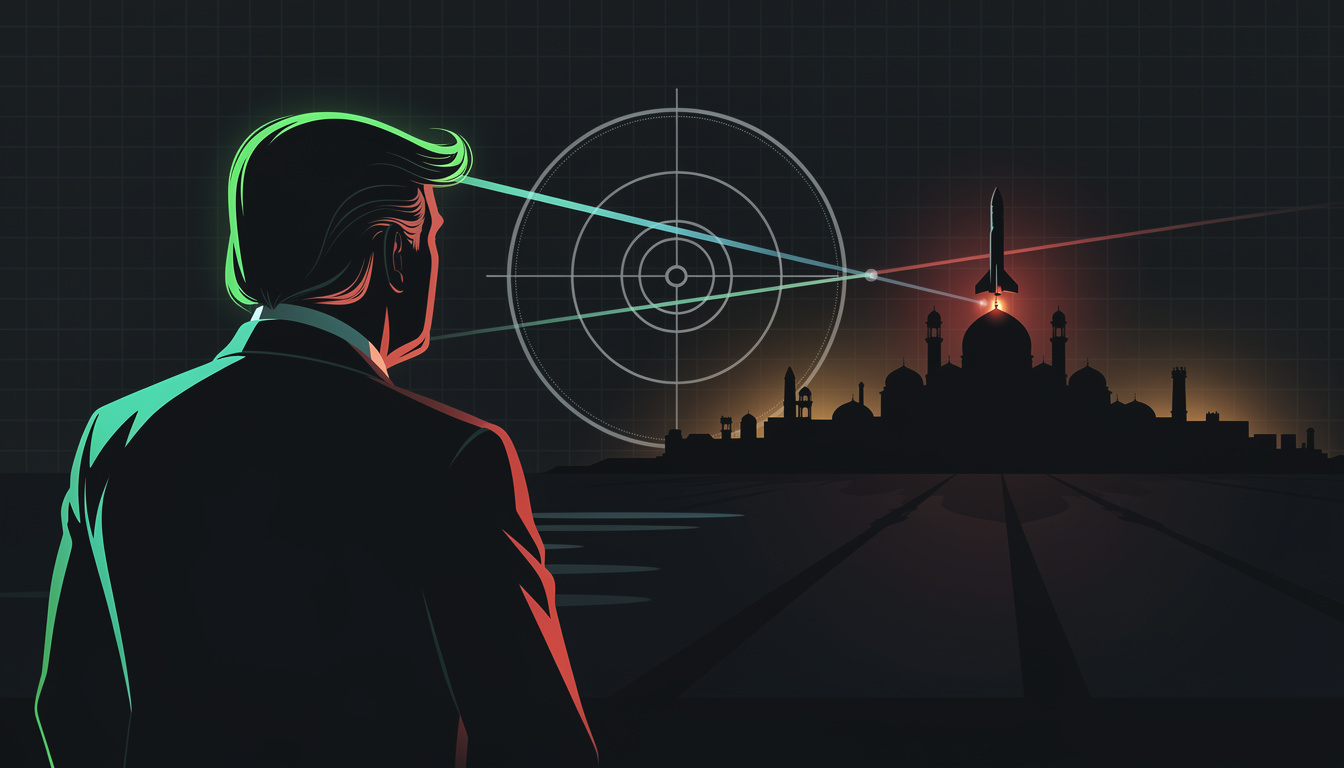
The lull that interrupted the escalation question has turned into a contest of conditions rather than a move toward a framework. Iran's military has warned it would widen the Middle East war if Washington resumes strikes, according to The National and Daily Sabah, a threat issued ahead of a planned appearance by Israel's prime minister, while President Masoud Pezeshkian said US air strikes on Iranian civilian infrastructure violate international law and amount to war crimes and called for international legal action. Mojtaba Khamenei, whose accession after his father's death in the opening strikes underpins the US intelligence judgement that Iran's new leadership is far more inclined to pursue a weapon, has now set a price for any agreement with Washington: Al Jazeera reported he tied it to the absolute and unconditional termination of Israel's attacks on Lebanon, and Tehran Times reported he called full preservation of Lebanon's territorial integrity a strategic policy, with the Jerusalem Post reporting statements attributed to him praising Hezbollah and urging continued resistance against the United States and Israel. That leaves Trump's undecided deliberation over a major escalation facing a demand that reaches beyond the nuclear file, and pulls Lebanon into a bargain that had been framed around enrichment, the fortified Pickaxe Mountain site and the uranium stockpile US officials believe partly survived the June bombing.
Pressure is also arriving from the other direction. Bloomberg reports that Benjamin Netanyahu plans to press Trump during his upcoming White House visit to maintain vigilance over Iran's nuclear ambitions, an appeal that runs with rather than against the intelligence assessment of the new supreme leader's intent. At home, the accounting of the war has itself become contested: the Pentagon updated its casualty database over the weekend to report more than 600 casualties, according to The Guardian, days after it had reduced its record of troops killed and wounded, and the South China Morning Post reports that four troops killed in the recent fighting are no longer listed in the Iran war death toll. Politika and Handelsblatt note that the revisions have renewed disputes over whether the public has had a complete picture of US losses, while Iran has published what Tehran Times calls its most comprehensive account so far of the damage it inflicted on US forces. With the ceasefire's terms largely violated, no strikes reported since the pause began and both the escalation decision and the terms of any talks unreported, the war is now being fought over conditions and over the record of what it has already cost.
Iran has been at war with the United States and Israel since roughly the start of 2026, in a campaign that Trump had publicly cast as brief and that has instead continued for more than four months. Early in the war Iran's supreme leader was killed; he had renounced nuclear weapons, and that renunciation shaped how Washington judged Iranian intentions. He was succeeded by his son, whom US spy agencies now assess to be more open to building a weapon, according to the New York Times. Reporting on both the war's possible widening and the intelligence picture rests on that paper's accounts of internal US deliberations, which the administration has not confirmed publicly. What is at issue is intent as read by intelligence agencies, not a verified Iranian weapons programme.