خط روایی · 3 رویداد
محدودیتهای چین بر عناصر خاکی کمیاب
 تصویر نمادین
وضعیت کنونی موضوع
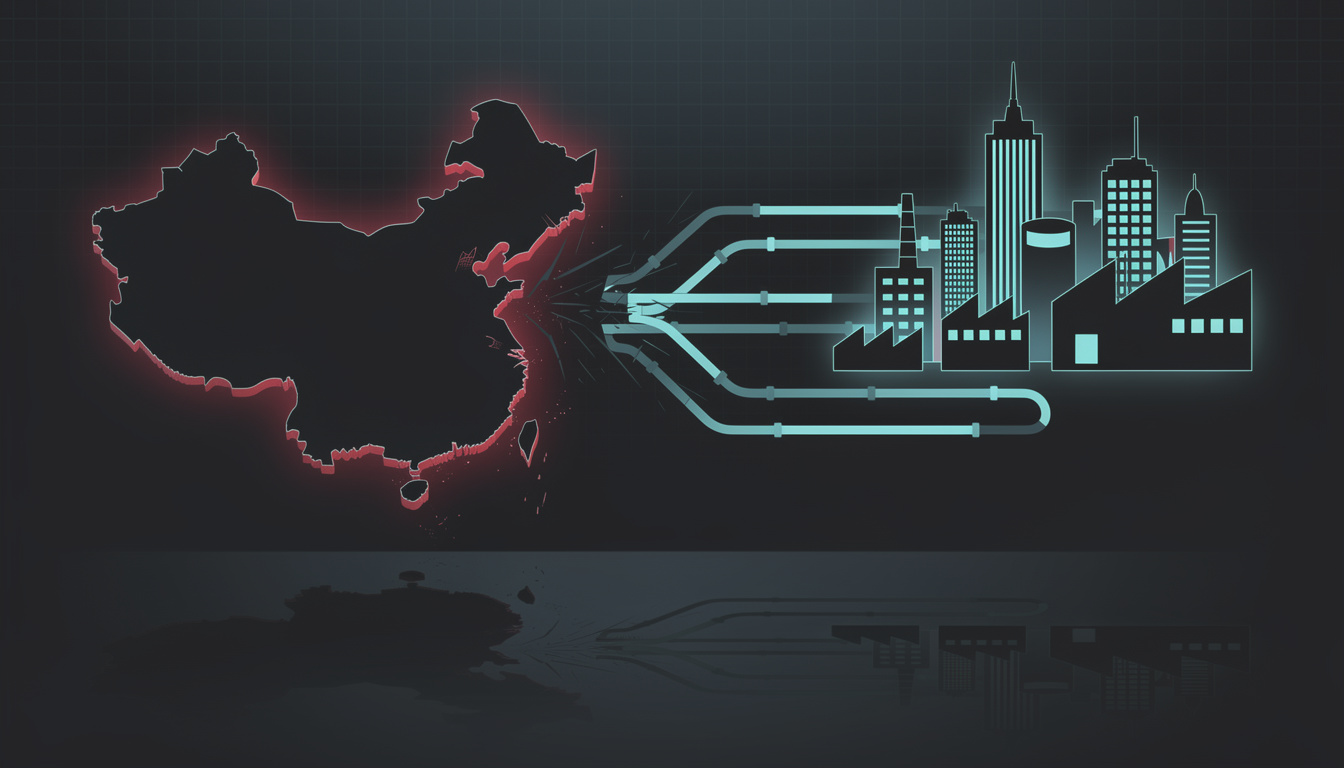
چین اکنون توجیهی رسمی برای محدودیتهای صادراتی عناصر خاکی کمیاب که علیه نهادهای اروپایی اعمال کرده ارائه داده است. به گزارش گلوبال تایمز، وزارت امور خارجهی این کشور اعلام کرده است که گنجاندن نهادهای اتحادیهی اروپا در فهرست کنترل صادرات، پاسخی است به آنچه پکن آن را تحریمهای نادرست اتحادیهی اروپا علیه شرکتهای چینی میخواند؛ گزارشی که این گام را دور تازهای از تلافی در منازعهی تجاری میان پکن و بروکسل توصیف میکند. این بیانیه برچسبی رسمی بر الگویی میگذارد که پیش از این نیز در این روند مشهود بود: ممنوعیت صادرات عناصر خاکی کمیاب و اقلام مرتبط به ۱۴ شرکت در اروپا که نیویورکتایمز در اواخر ژوئیه گزارش کرد، در حوزههای فرآوری مواد شیمیایی، موتورهای الکتریکی و دفاعی، و پس از آن افزودن دانشگاه فناوری و علوم وروتسواف به فهرستی که هدف آن نهادهای مرتبط با بخش امنیتی اروپاست، اقدامی که ساوث چاینا مورنینگ پست آن را بیسابقه توصیف میکند.
روش کار همچنان هدفگیری نهادهای مشخص و نامبردهشده است، نه دستههای کالا یا مقاصد، و اکنون از تولیدکنندگان به یک دانشگاه مرتبط با کارهای امنیتی نیز گسترش یافته است. چارچوببندی سیاسی اکنون از هر دو طرف صراحتاً بیان میشود، و فایننشالتایمز همزمان گزارش میدهد که چگونه پکن از شکافهای میان کشورهای عضو اتحادیهی اروپا بر سر سیاست تجاری بهره میبرد. جزئیات اصلی این روند از ابتدا همچنان حلنشده باقی مانده است: هویت آن ۱۴ شرکت مشخص نشده، تاریخ اجراییشدن این محدودیتها اعلام نشده، مشخص نیست که آیا دانشگاه لهستانی در همان فهرست قرار دارد یا فهرستی جداگانه، و هیچ اطلاعات تأییدشدهای دربارهی نحوهی واکنش نهادهای متأثر یا دولتهای اروپایی در دست نیست. اینکه آیا بروکسل استدلال وزارت خارجهی چین را فرصتی برای گفتوگو تلقی میکند یا زمینهای برای اقدامات متقابل خود، نامشخص است.
عناصر خاکی کمیاب گروهی از فلزات هستند که برای آهنرباها، موتورهای الکتریکی، الکترونیک دقیق و سامانههای دفاعی ضروریاند، و چین جایگاهی مسلط در تأمین آنها دارد که بهطور فزایندهای آن را بهعنوان ابزاری در سیاست تجاری به کار میگیرد. تولیدکنندگان اروپایی در حوزههای فرآوری مواد شیمیایی، موتورهای الکتریکی و دفاعی به این نهادهها وابستهاند، و منابع جایگزین در کوتاهمدت محدودند. مورد کنونی به تصمیمی از سوی پکن مربوط میشود که نیویورکتایمز در ۲۴ ژوئیهی ۲۰۲۶ گزارش کرد، مبنی بر قطع دسترسی ۱۴ شرکت نامبردهشدهی اروپایی، بهجای اعمال محدودیتی گسترده و فراگیر بر کل اقتصاد. آنچه این اقدام را از رویهی معمول کنترل صادرات متمایز میکند، آنگونه که منبع توصیف میکند، انتخاب شرکتهای منفرد در بخشهای پیشرفته بهعنوان هدف است. هویت این شرکتها و زمانبندی این اقدام تاکنون در گزارشهای موجود مشخص نشده است.
روند زمانی بهتفصیل
۱۴۰۵ مرداد ۶, سهشنبه · اقتصادچین نهادهای اتحادیه اروپا را به فهرست کنترل صادرات خود افزود
به گزارش گلوبال تایمز، وزارت خارجه چین اعلام کرد افزودن نهادهای اروپایی به فهرست کنترل صادرات این کشور، پاسخی است به آنچه آن را تحریمهای ناروای اتحادیه اروپا علیه شرکتهای چینی مینامد. این اقدام دور تازهای از تلافیجویی در اختلاف تجاری میان پکن و بروکسل به شمار میرود.
۱۴۰۵ مرداد ۵, دوشنبه · ژئوپلیتیکچین یک دانشگاه لهستانی را به فهرست سیاه صادرات دوکاربردی افزود
چین یک دانشگاه لهستانی را به فهرست سیاه صادرات دوکاربردی افزود
چین دانشگاه علم و فناوری وروتسواف را در فهرست کنترل صادرات مربوط به نهادهای مرتبط با بخش امنیتی اروپا قرار داده و آن را در کنار پیمانکاران دفاعی جای داده است؛ اقدامی که ساوث چاینا مورنینگ پست آن را بیسابقه توصیف میکند. فایننشال تایمز نیز همزمان گزارش میدهد که چگونه پکن از اختلافات میان کشورهای عضو اتحادیه اروپا بر سر سیاست تجاری بهره میبرد.
۱۴۰۵ مرداد ۳, شنبه · اقتصادچین صادرات عناصر خاکی کمیاب به ۱۴ شرکت اروپایی را ممنوع کرد
چین صادرات عناصر خاکی کمیاب به ۱۴ شرکت اروپایی را ممنوع کرد
به گزارش نیویورکتایمز که در ۲۴ ژوئیه ۲۰۲۶ منتشر شد، پکن ارسال عناصر خاکی کمیاب و ملزومات مرتبط را به ۱۴ شرکت در اروپا که در زمینههای فرآوری مواد شیمیایی، موتورهای الکتریکی و دفاعی فعالیت میکنند، ممنوع کرده است. این اقدام، سلطه چین بر عرضه عناصر خاکی کمیاب را مستقیماً بر شرکتهای صنعتی و دفاعی نامبرده اروپایی اعمال میکند. منبع موجود نام شرکتها یا تاریخ دقیق اجرای این محدودیتها را مشخص نمیکند.
New York Times