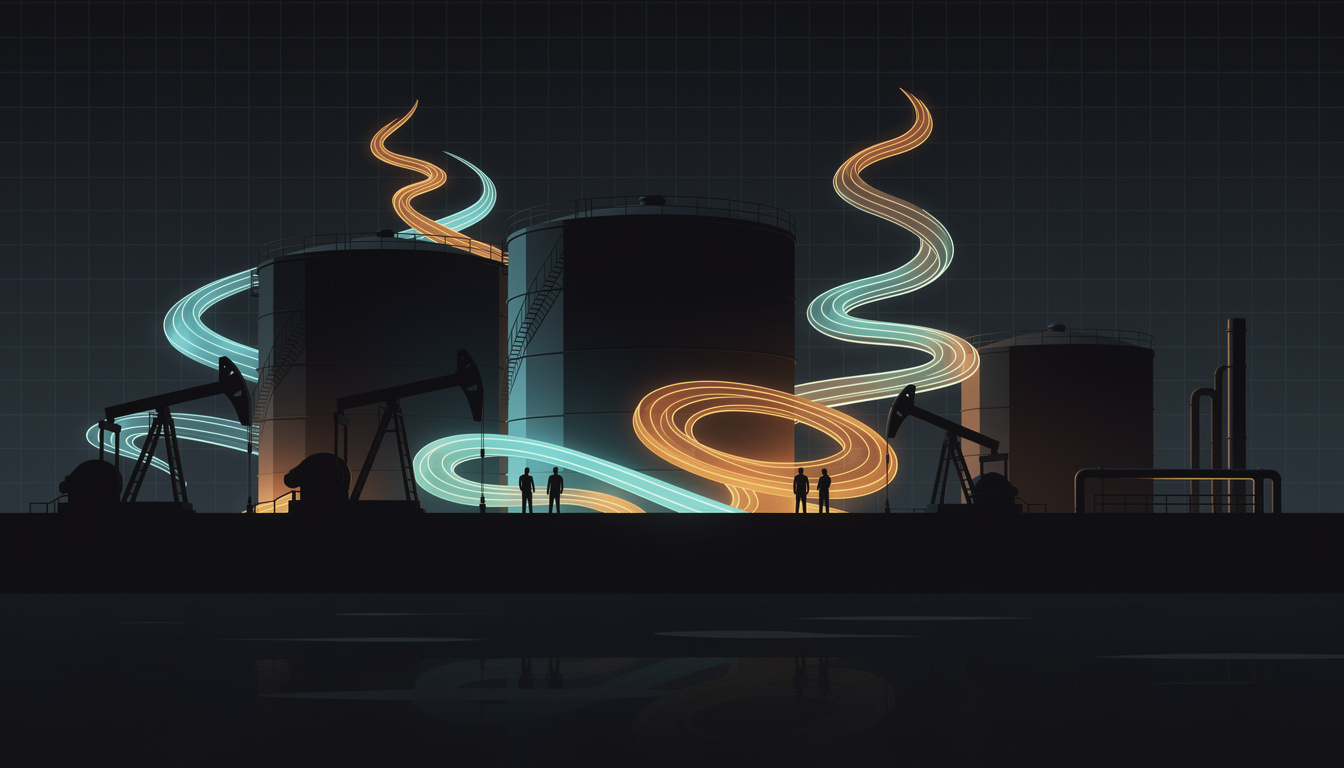
 تصویر نمادین
اوپکپلاس بازگرداندن کامل کاهش تولید نفت مصوب ۲۰۲۳ را به پایان رساند
هفت کشور عضو اوپکپلاس روز یکشنبه توافق کردند که تولید نفت را در ماه سپتامبر روزانه ۱۸۸ هزار بشکه افزایش دهند؛ این ششمین افزایش ماهانه پیاپی است. این گام، فرآیند لغو کاهشهای داوطلبانهای را که این گروه در سال ۲۰۲۳ به آن توافق کرده بود، به پایان میرساند.
چه اتفاقی افتاد
- عربستان سعودی، روسیه، عراق، کویت، قزاقستان، الجزایر و عمان این تصمیم را در یک ویدئوکنفرانس اتخاذ کردند.
- سهمیه سپتامبر روسیه با ۶۲ هزار بشکه افزایش به ۹.۹۴۹ میلیون بشکه و سهمیه عربستان سعودی نیز به همین میزان به ۱۰.۴۷۸ میلیون بشکه میرسد.
- عراق ۲۶ هزار بشکه، کویت ۱۶ هزار بشکه، قزاقستان ۱۰ هزار بشکه، الجزایر ۶ هزار بشکه و عمان ۵ هزار بشکه افزایش دریافت میکنند.
- این بسته، کاهش ۱.۶۵ میلیون بشکهای مصوب آوریل ۲۰۲۳ را که در آن زمان امارات متحده عربی نیز هنوز عضو بود، به طور کامل جبران میکند.
- کمیته نظارت این گروه هشدار داد که حملات به زیرساختهای انرژی و مسیرهای کشتیرانی، نوسانات بازار را افزایش میدهد.
نگاه از بیرون
تلهسور (ونزوئلا) بر فاصله زیاد میان سهمیههای روی کاغذ و واقعیت تأکید میکند و به گزارشی از اوپکپلاس استناد میکند که بر اساس آن عربستان سعودی در ماه ژوئن روزانه ۶.۸۴ میلیون بشکه در برابر هدف جدید ۱۰.۴۷ میلیونی خود تولید کرده است؛ این رسانه همچنین آغاز جنگ خاورمیانه را ۲۸ فوریه میداند و آن را کارزاری آمریکایی-اسرائیلی علیه ایران توصیف میکند.
ممکن است بعد چه اتفاقی بیفتد
- هنوز مشخص نیست حجم صادرات چه زمانی واقعاً افزایش خواهد یافت: صادرات خلیج فارس همچنان محدود است و تنگه هرمز نیز تحت فشار باقی میماند.
- ریستاد انرژی انتظار دارد در سهماهه چهارم وقفهای رخ دهد، پیش از مذاکرات سهمیه سال ۲۰۲۷.
- بر اساس گزارش خبرگزاری فرانسه، تولید روسیه پس از حملات پهپادی اوکراین در حدود ۹ میلیون بشکه در روز در برابر هدف ۹.۸ میلیونی قرار دارد.
- هفت کشور عضو بار دیگر در ۶ سپتامبر برای بررسی وضعیت بازار گرد هم میآیند.
Saudi Arabia and Russia: Frame the increase as a collective commitment to market stability and want overproduced volumes compensated by the end of 2026.
Iraq: Presses for a 'fair share' and quotas aligned with its capacity, to raise oil revenue for its economy.
درگیر نیز