Wednesday, 22 July 2026 · EconomyTrump imposes 50 percent tariff on Canadian goods, joint bridge ceremony cancelled
US President Trump is placing a 50 percent tariff on much of Canadian imports and accuses Ottawa of discrimination. Canada responded by cancelling the joint inauguration ceremony for the Gordie Howe Bridge. The new tariffs are seen as a warning to other trading partners.
The trade conflict between the US and Canada is sharpening once again: Trump announced a 50 percent tariff on many Canadian goods, taking effect in 30 days and covering a volume of around 20 billion dollars. He justifies the step with alleged disadvantaging of American automotive, alcohol and dairy products. In protest, Canada cancelled the joint ceremony to open the new Gordie Howe border bridge, as the Guardian and the BBC report. Business outlets such as the Financial Times and conservative US reports such as the Wall Street Journal read the tariffs as a warning signal to other trading partners and the start of a new tariff phase. In Canada, the levies are causing frustration and worry about jobs, according to the BBC. The conflict fits into an escalation running since February 2025, in which counter-tariffs and legal setbacks already played a role. How hard the tariffs will bite and whether an agreement can be reached is open.
The Guardian · BBC News · Financial Times · Wall Street Journal
Wednesday, 22 July 2026 · EconomyTrump announces tariffs on generic drugs from 2028
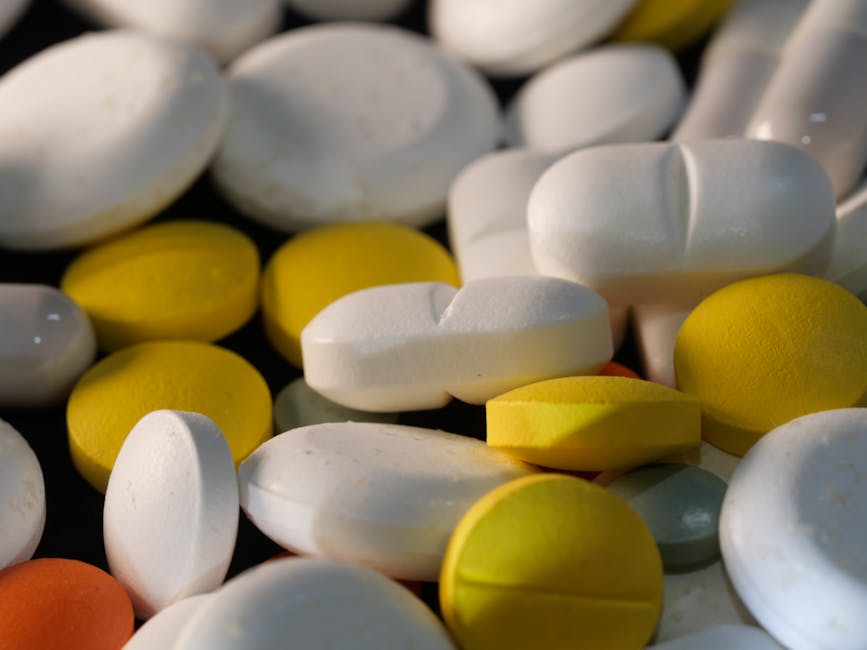
Trump announces tariffs on generic drugs from 2028
US President Trump wants to levy tariffs on imported generics from 2028, initially 100 and later 200 percent. He aims to move drug production to the US. The industry warns of shortages and higher prices.
After repeated threats against the pharmaceutical industry, Trump announced that he will impose tariffs on generics, meaning patent-free copycat medicines, from 2028, starting at 100 and later rising to 200 percent. The goal is to push manufacturers to produce in the US, Politico and the New York Times report. Business outlets such as Handelsblatt and the Financial Times point out that a large share of the generics consumed in the US is imported, which is why experts fear supply shortages and rising costs for patients. The two-year lead time is meant to give companies time to build plants in the US. Critics nonetheless see it as a risky tool that could make cheap standard medicines of all things more expensive. The measure fits into Trump's broader tariff policy, which recently also hit brand-name pharmaceuticals and numerous trading partners. Whether and in what form the tariffs actually take effect is open given the long lead time.
Politico · New York Times · Handelsblatt · Financial Times
Forecast · Assessment
●Most likely55%
The announcement remains a threat for now; manufacturers and trading partners negotiate over exemptions and pledges to build in the US.
▲Worst case20%
The tariffs take effect and lead to shortages and markedly higher prices for standard medicines.
▼Best case25%
New investment shifts production to the US without making supply more expensive.